Scan our QR code to stay updated with the recent news and upcoming events.
Scan our QR code to stay updated with the recent news and upcoming events.
2026.03.14-05.08
'The Intermediate State"
Art+ Shanghai is pleased to present "中间态 The Intermediate State", a solo exhibition by Fu Shuai that explores the unstable nature of our contemporary visual experience. For over a decade, Fu has occupied a distinctive position within Chinese contemporary art through his signature technique of transforming paper, one of the most humble and fragile substrates, into meticulously crafted simulacra of oxidized and corroded metal. His earlier works demonstrated perfect mastery of material deception, deploying traditional construction and meticulous textural rendering to create what appeared to be decomposing industrial surfaces bearing the temporal inscription of rust, wear, and obsolescence. In this new body of work, however, Fu abandons representation entirely in favor of a radical methodology that positions Light itself as both generative medium and conceptual subject of the practice.
The exhibition posits that in our contemporary hyperreal condition, where the virtual has not simply infiltrated but exhaustively colonized and rewritten the material world, the role of the artist is no longer to represent illusion through mimetic skill but to document the ontological collapse between the dimensional and the flat, the physically present and the photographically recorded, the materially existing and the purely optical.
The conceptual architecture of 中间态 (The Intermediate State) rests on a technical innovation that Fu describes as "reverse engineering," a process that fundamentally inverts the traditional relationship between painting and its referent. Fu does not simply translate volume through the classical means of chiaroscuro and perspective: he constructs a real spatial presence in order to then collapse it into the two-dimensional plane, without losing its original radiance. The methodology unfolds in three distinct stages: first, paper is physically crumpled, folded, and compressed to construct an actual volumetric form; next, an airbrushed pigment, often incorporating metallic particles that respond dynamically to ambient light, is applied from a single, predetermined viewpoint, allowing the paint to function not as a descriptive medium but as a recording apparatus; finally, the paper substrate is carefully unfolded and flattened, returning the three-dimensional object to the pictorial plane while preserving what Fu evocatively terms the "light-shadow memory" of its brief existence in space. This approach situates the work in a hybrid zone, between the indexicality of the photographic medium and pictorial fabrication, between automatic capture and human intervention. The images produced are less paintings than archives: they precisely document the encounter of light and matter in a unique spatiotemporal instant.
This technique has important consequences for how we see images today. Unlike classical trompe-l'oeil where the artist tries to deceive our eye through skill, Fu's works have a real, physical basis. The shadows and highlights we see on the canvas are not painted in an illusionistic manner: they are actual traces of a three-dimensional object, captured by the airbrush like a kind of photograph. The droplets of paint, according to Fu, function like photons striking photographic film. They faithfully record the areas exposed to light and those in shadow on the crumpled paper. When we look at these works, we don't see a simple imitation of a relief form, but the ghostly imprint of that form, a spatial presence that has been transformed into pure image. This idea explains why the exhibition speaks of archaeology: Fu doesn't create illusions, he unveils them. He reveals the hidden depth in the flat surfaces of our screen-based world.
The works assembled in the exhibition coalesce into two interconnected series that map the visual lexicon of post-industrial urbanism with ethnographic precision. The Fold-Fix series engages directly with the material epidermis of the contemporary metropolis, the corrugated metal barriers that demarcate perpetual construction sites, the frames of empty advertising panels awaiting commercial content, the prefabricated iron facades of half-finished buildings that populate the urban periphery. These are the remnants of urban development, the spaces abandoned after capital's passage. Under the city's neon lights, these industrial materials take on an almost hallucinatory appearance, recalling cyberpunk landscapes where ruin and modernity meet. Fu's fluorescent palette, which in his earlier works signified the virtual luminescence of digital screens, has migrated outward, infiltrating the physical fabric of the city itself. This chromatic shift registers a fundamental transformation in the relationship between the virtual and the actual: we no longer inhabit a world where these categories remain distinct, but we have entered what Fu describes as a thoroughly mixed "intermediate state" in which reality is completely saturated and rewritten by the virtual.
The compositional logic of the Fold-Fix series embodies this dialectical condition through a tension between predetermined industrial order and organic unpredictability. Each work is governed by a pre-established pattern of rivets, rational anchor points that represent systemic discipline, the macro-level structures of industrial production and bureaucratic control. Yet between these fixed coordinates, the supple paper generates folds whose precise configurations remain fundamentally uncontrollable. Even when the rivet pattern is identical across multiple works, each folding produces a unique light-shadow effect. This methodology, Fu suggests, functions as a formal analogy of contemporary social structure. The works function simultaneously as art objects and as symbolic representations of power. They show the relationship between systemic constraints and individual freedom, traced on crumpled paper and marked by light.
Theoretically, this investigation finds its foundation in French philosopher Gilles Deleuze's conceptualization of the fold (le pli) as a philosophical figure for understanding the relationship between interior and exterior, visible and invisible, surface and depth. For Deleuze, the fold is not merely a change in material configuration but a mechanism of transformation, a topological operation through which the exterior is internalized and the hidden is brought to visibility. Fu's practice embodies this concept: the three-dimensional fold is reduced to a two-dimensional representation, but the spatial volume it contained persists as a visual trace, a spectral presence encoded in the play of light and shadow.
The titles of his works reinforce this paradox, many bearing only their physical dimensions, cold numerical designations that measure the flat substrate while remaining silent about the spatial volumes that seem to be contained within. For Fu, the difference between an object's actual dimensions and its representation becomes a metaphor: it evokes the hidden spaces within folds, those volumes we don't see but which shape our way of perceiving the world.
The Fold-Texture series pursues a parallel but distinct trajectory, staging an explicit confrontation between the natural and the industrialized, the organic and the synthetic. Here, Fu renders evocative images of natural phenomena, the flowing grain of wood, the concentric ripples of water, using high-purity industrial fluorescent pigments in colors that have no referent in the organic world. The result is what the artist terms "artificial nature" or "alienated landscape," a visual regime in which the fluidity and irregularity of natural process are solidified, frozen, and ultimately replaced by the rigidity of industrial materiality. These works function as indices of a broader ecological and perceptual crisis: in a world where wilderness has been exhaustively colonized by technological infrastructure, where "nature" exists primarily as screensaver imagery and decorative motif, the natural can only be represented through the visual language of the artificial. The wood grain is not wood but a simulacrum; the water's undulation is not water but a hyper realistic substitute that is, paradoxically, more visually convincing than any actual natural phenomenon could be.
Extending beyond the two-dimensional investigations that have long characterized his practice, Fu has recently begun experimenting with what he describes as "soft sculpture," works that explore an "intermediate state of material properties" to complement his established inquiry into "2 1/2D" spatial ambiguity. In these pieces, paper, saturated with multiple layers of acrylic paint, acquires the drape, flexibility, and tactile qualities of fabric, hanging vertically on the wall with textile suppleness. Yet visually, through Fu's deployment of metallic pigments and carefully orchestrated light-shadow effects, these works continue to present themselves as cold, hard, industrially produced metal. This discrepancy between what the eye perceives and what the hand would discover, between visual illusion and tactile reality, reinforces the ontological ambiguity that runs through the entire project. This expansion does not represent a departure from Fu's central concerns but their three-dimensional extension: if the earlier works occupied the ambiguous zone between flat image and volumetric object, these new pieces inhabit the equally unstable territory between fabric and metal, between soft and hard, between organic malleability and industrial rigidity.
中间态 (The Intermediate State) thus positions Fu Shuai's practice as a sustained archaeological investigation of the epistemological crisis that defines contemporary visual culture. We inhabit a moment, the exhibition suggests, in which the deceptiveness of visual perception is no longer simply an optical game but our fundamental existential condition. When painting appears more materially convincing than physical reality, when flat illusions prove more dimensionally persuasive than authentically three-dimensional entities, when industrial surfaces evoke organic processes more effectively than nature itself, we are not simply confronted with the virtuosity of an individual artist but with the essential character of a world in which images have definitively supplanted material presence. Fu's practice neither laments this condition nor offers nostalgia for an unmediated relationship to the real. Instead, through its rigorous material investigations and conceptual precision, it provides the analytical tools necessary to navigate and critically understand our contemporary landscape that is hype realistically simulated, absolutely hyper realistic.
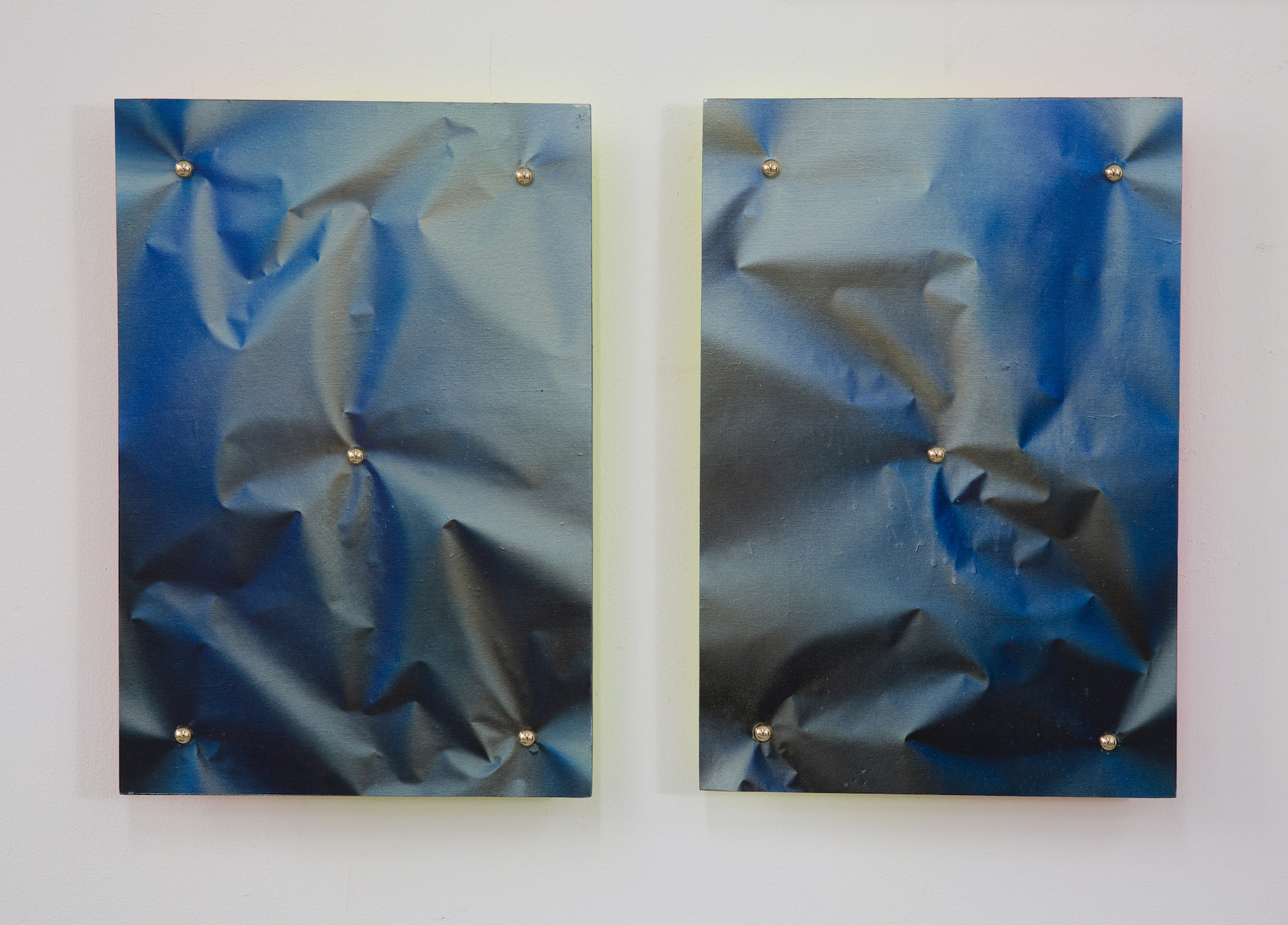
Pleats - Fraternal, Mixed Media, 42X28.5X4.1 cm X 2, 2025
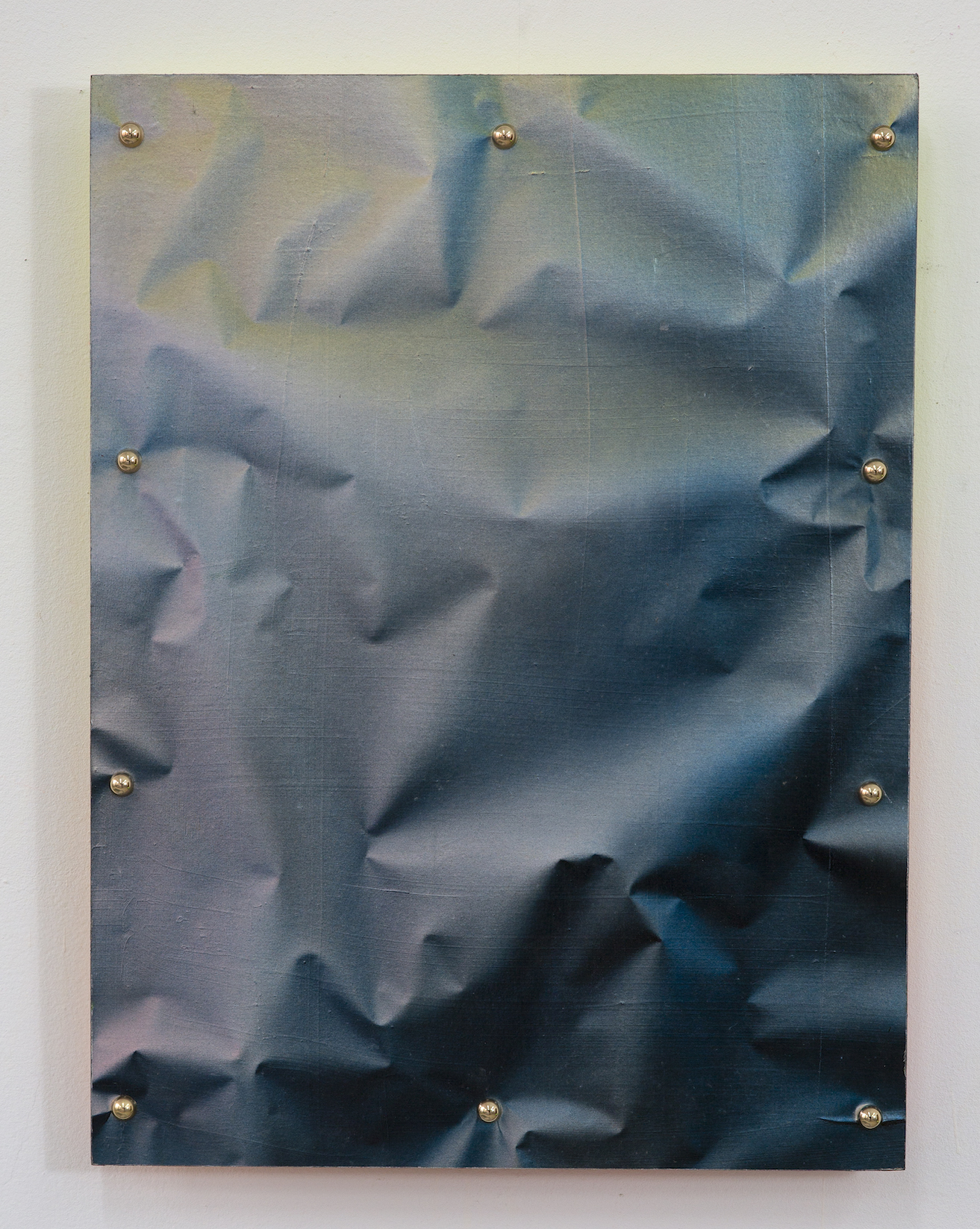
Pleats - Fix (Nomadic Space), Mixed Media, 50.9X37.8X4.1cm, 2025
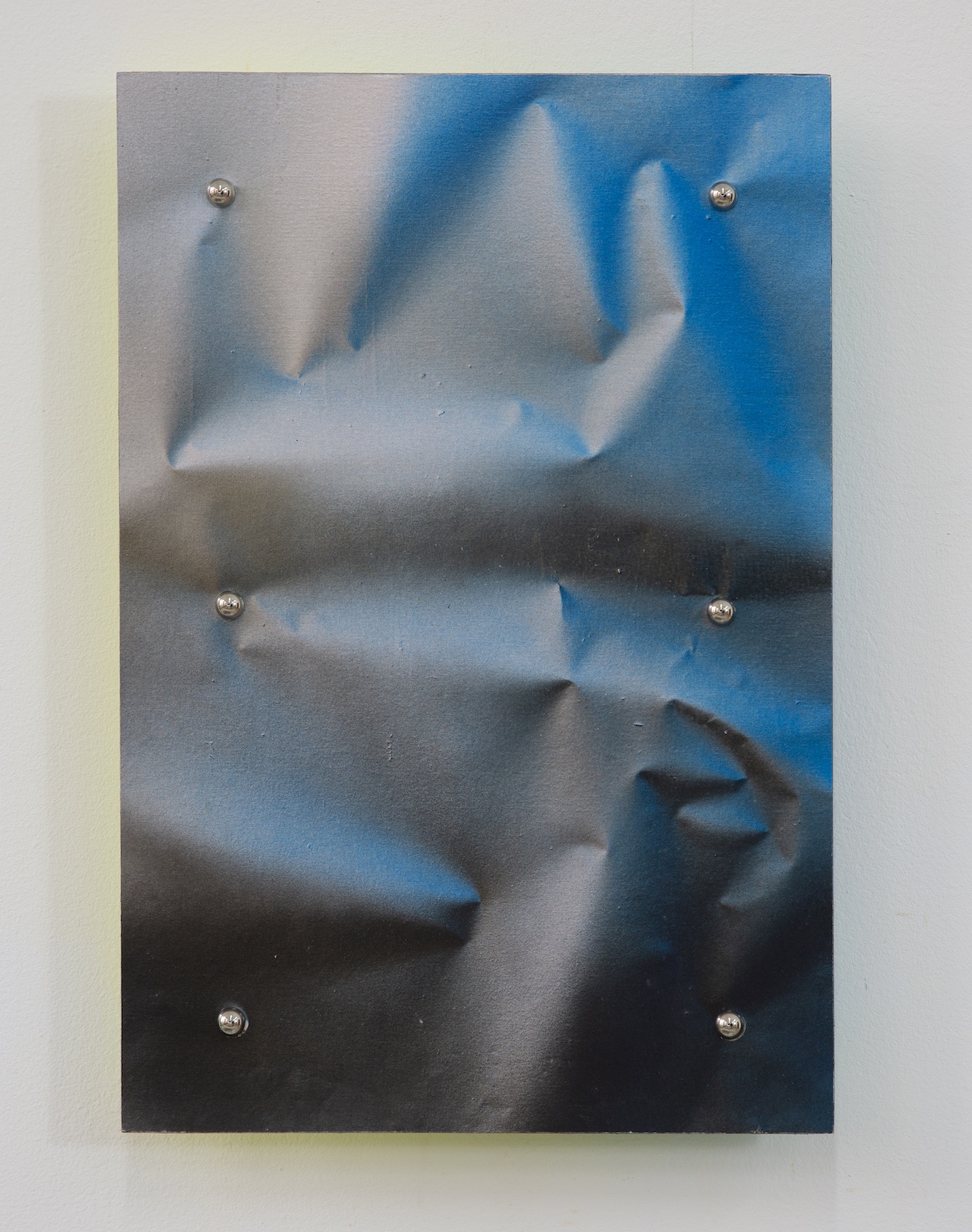
Pleats - Fix (Monumentum BLue), 42X28.5X4.1cm, 2025
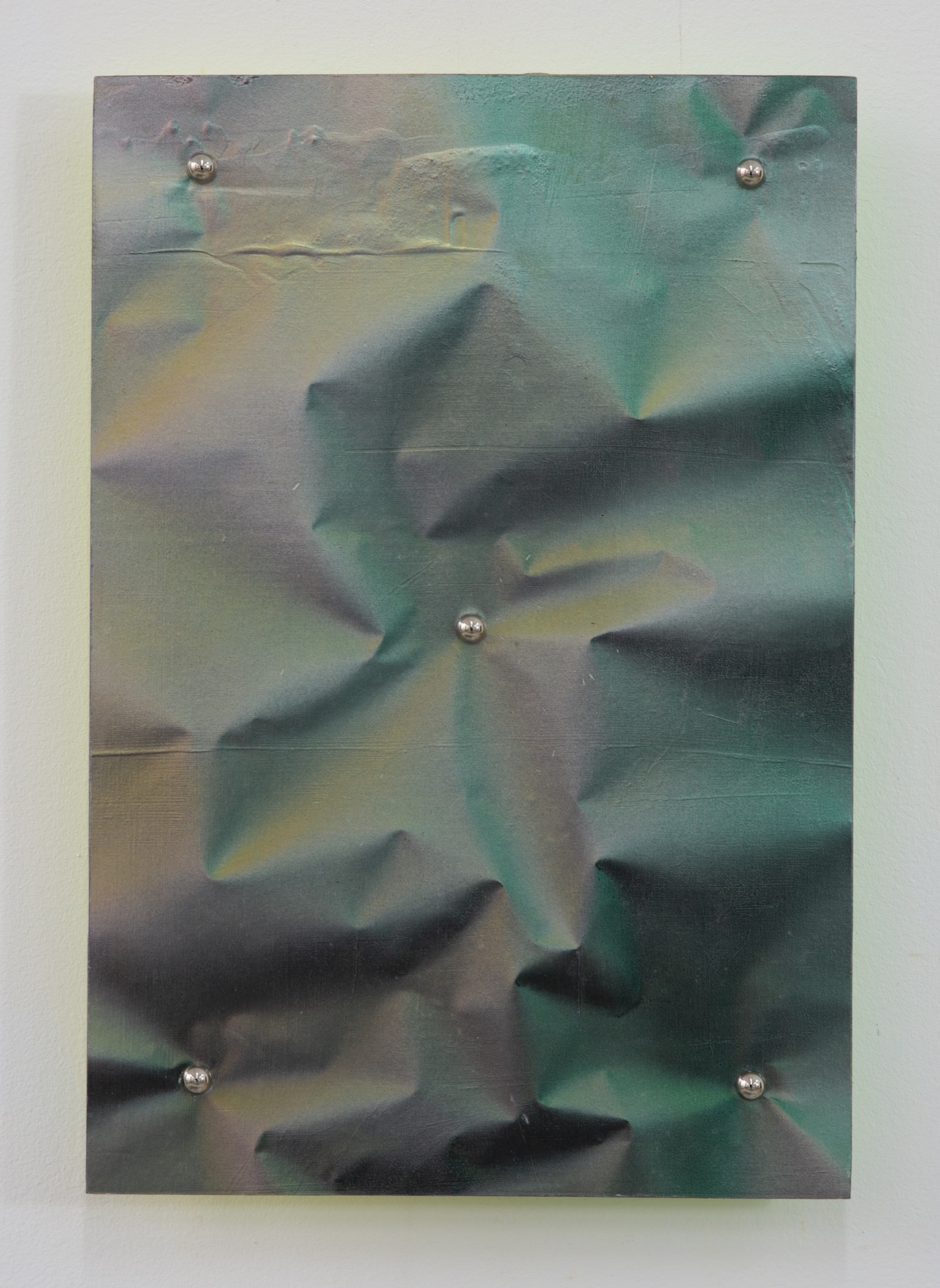
Pleats - Fix State of Exception, Mixed Media, 42X28.5X4.1 cm, 2025
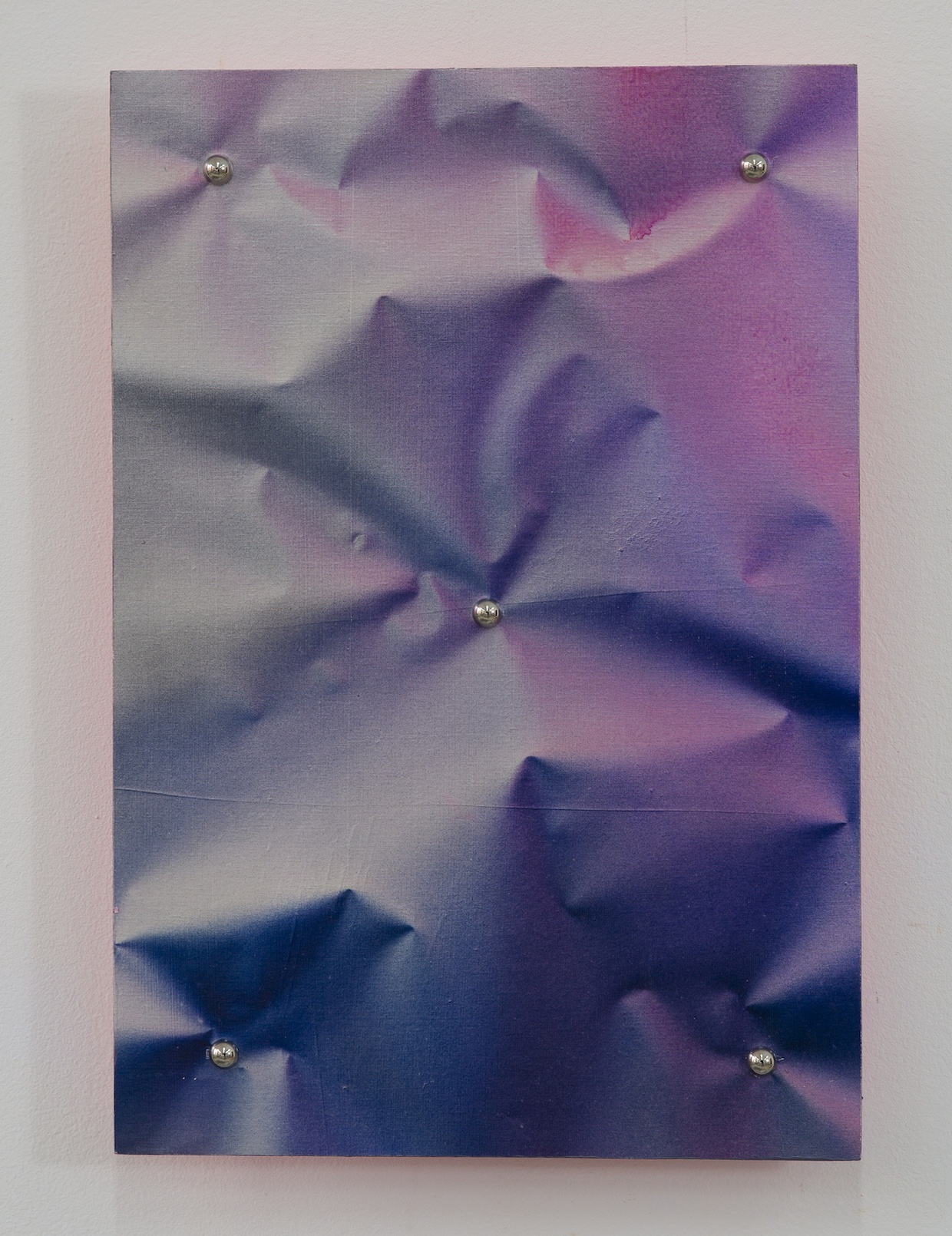
Pleats - Fix (Seonsory Threshold), Mixed Media, 42X28.5X4.1 cm, 2025
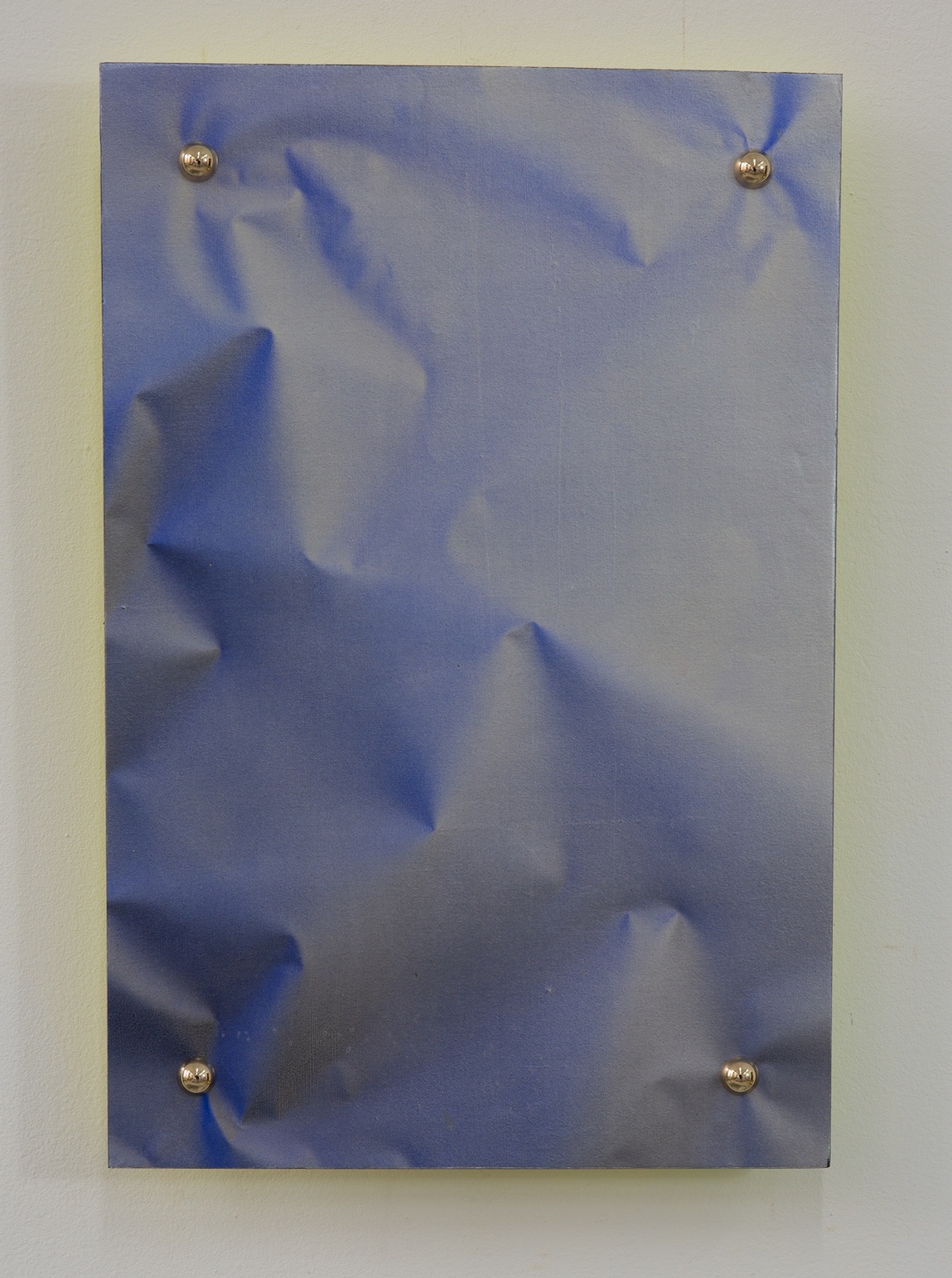
Pleats - Fix(Epoche), Mixed Media 42X27.5X4.1 cm, 2025
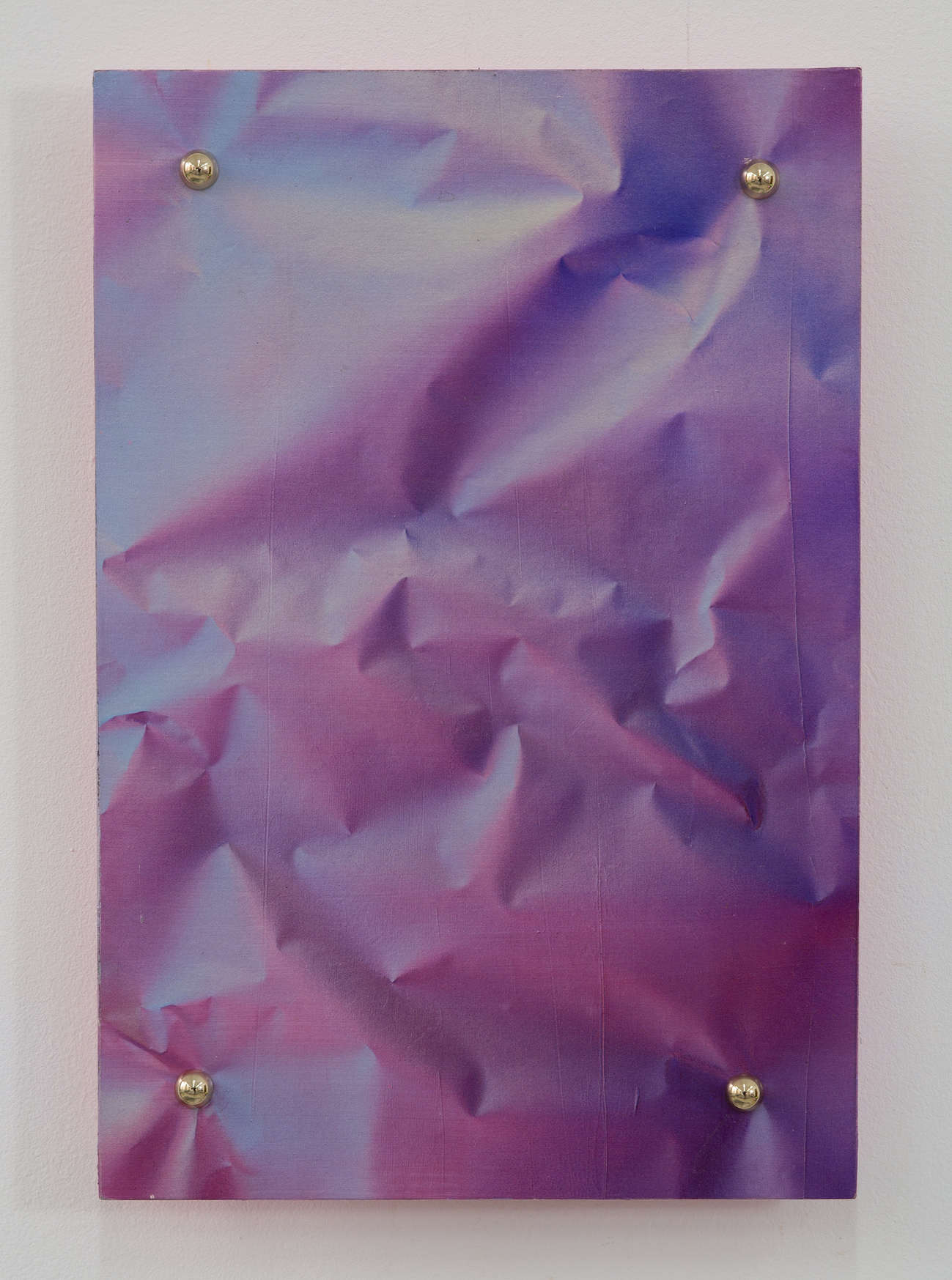
Pleats - Fix(Fold), Mixed Media, 42X28.5X4.1 cm, 2025
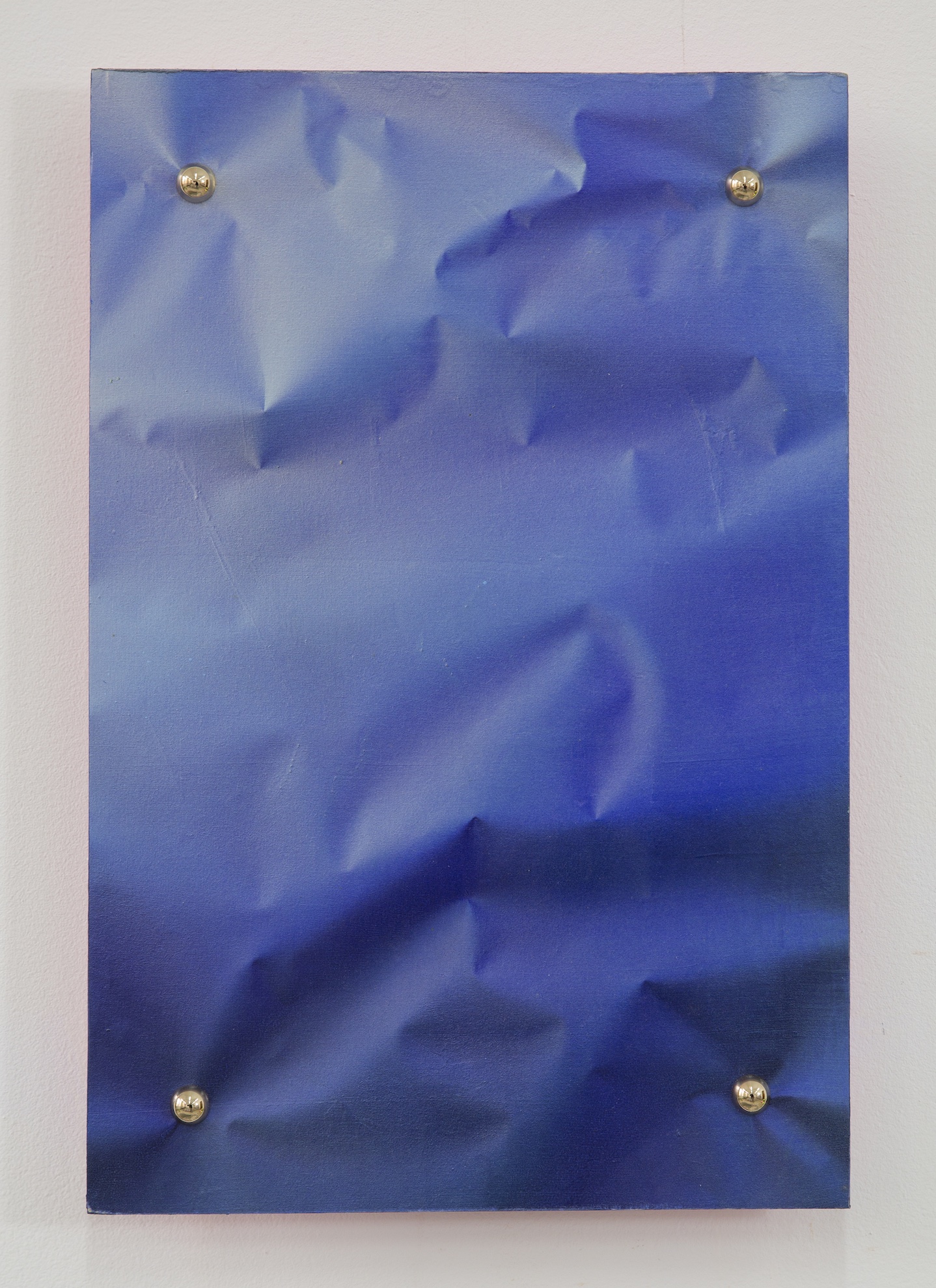
Pleats - Fix (The Vault of Heaven), Mixed Media, 42X28.5X4.1 cm, 2025
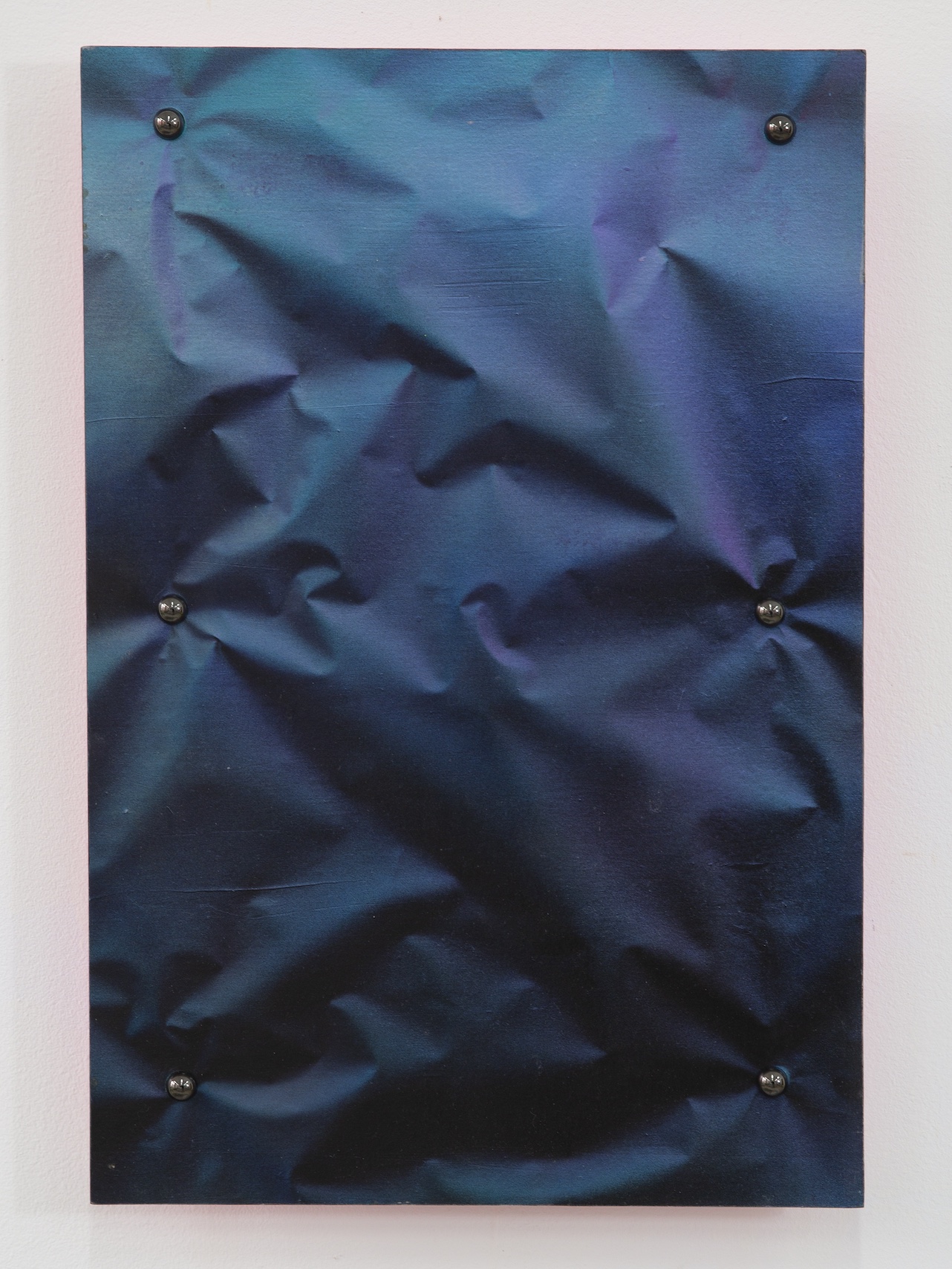
Pleats - Fix (The Vault of Heaven), Mixed Media, 45.1X30.1X4.1 cm, 2025
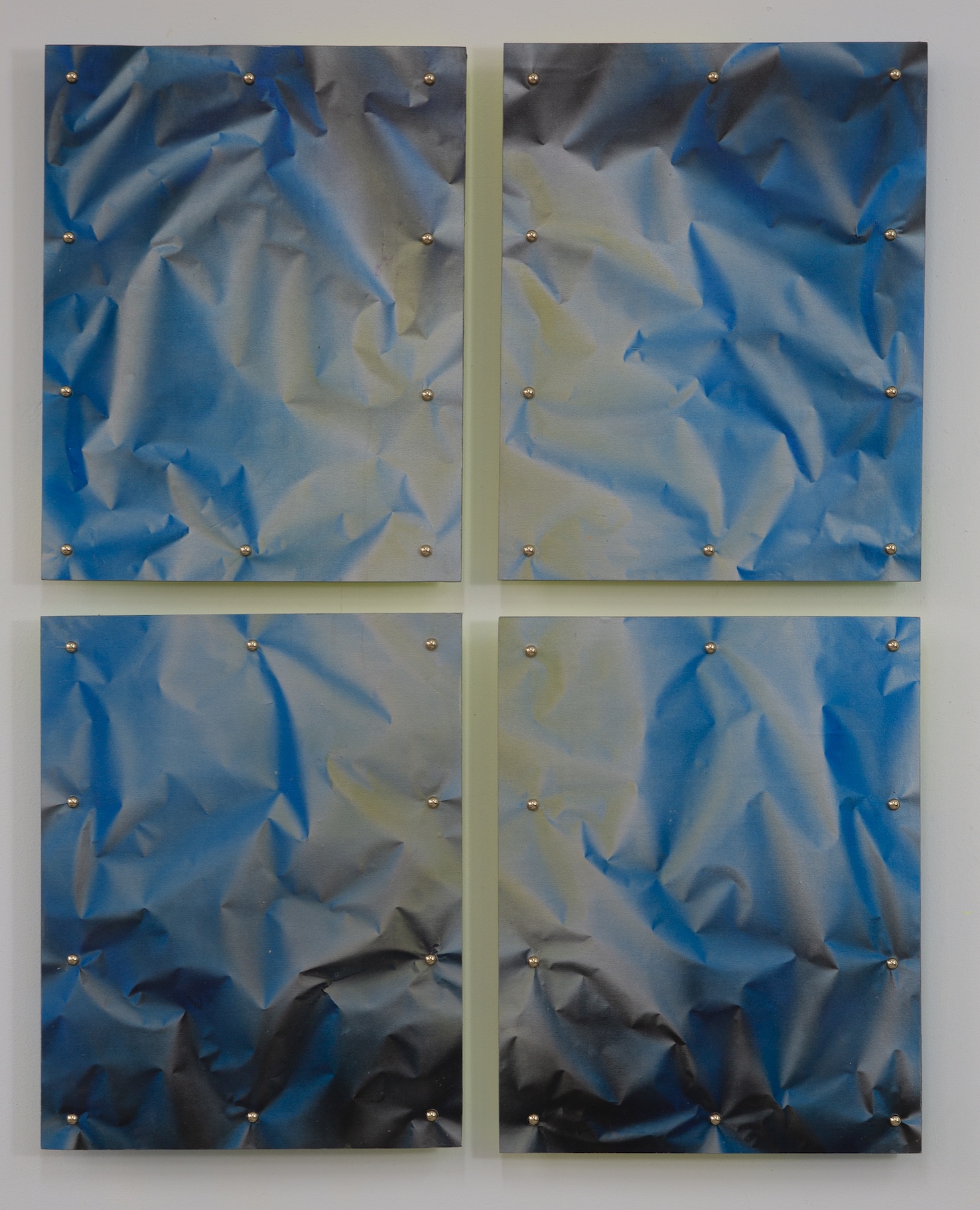
Pleats - Fix Intensity Field, Mixed Media, Mixed Media, 50.9X37.8X4.1 cm X 4
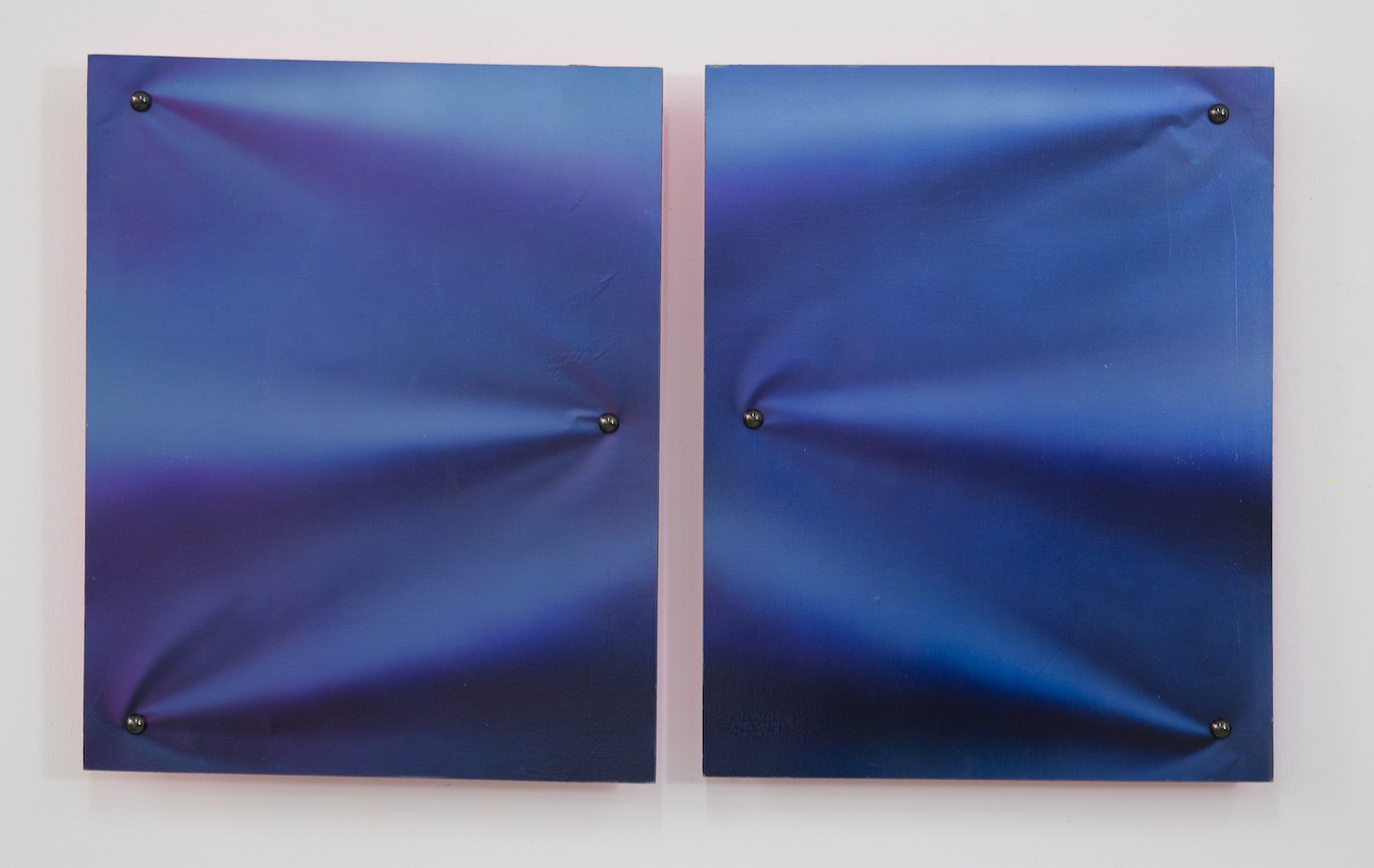
Pleats - Fix (Media Wrestling), Mixed Media, 50.9X37.8X4.1 cm X 2, 2025
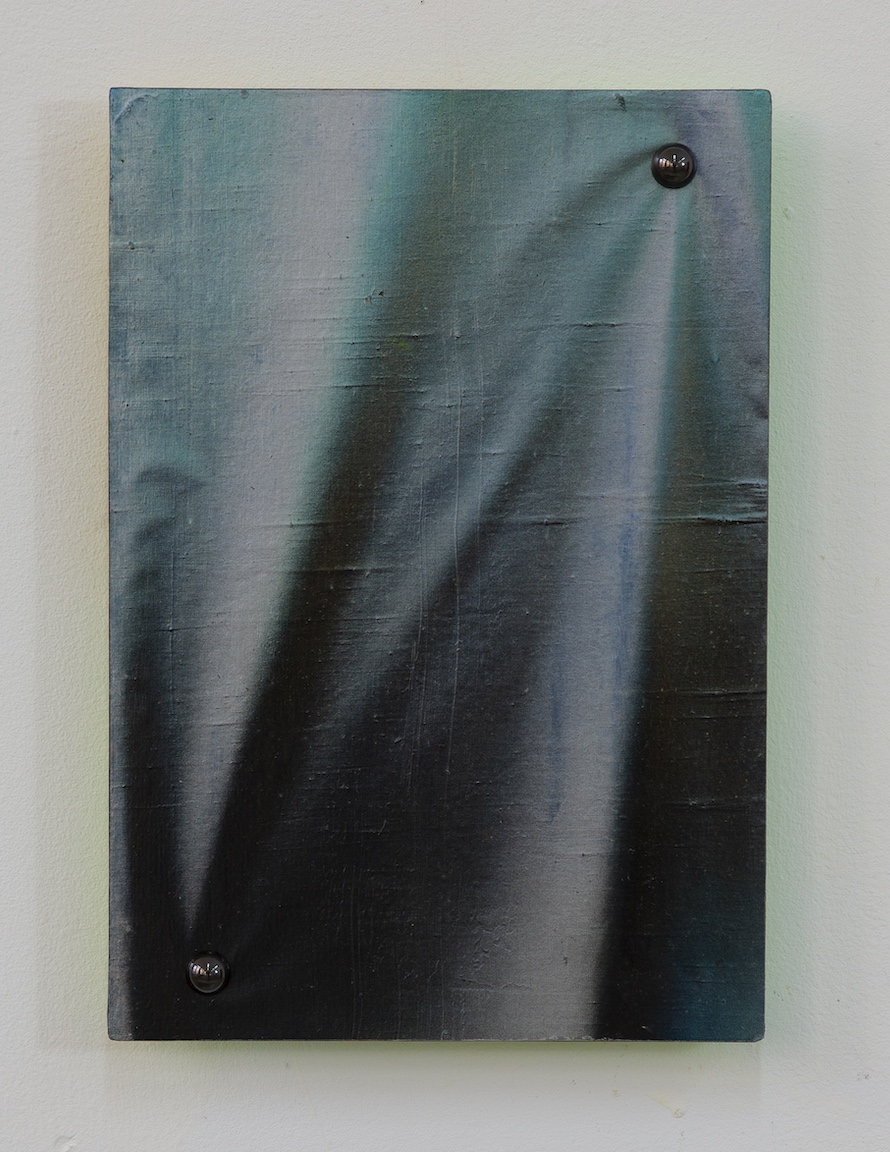
Pleats - Fix, Mixed Media, 31.1X21.1X 3 cm, 2025
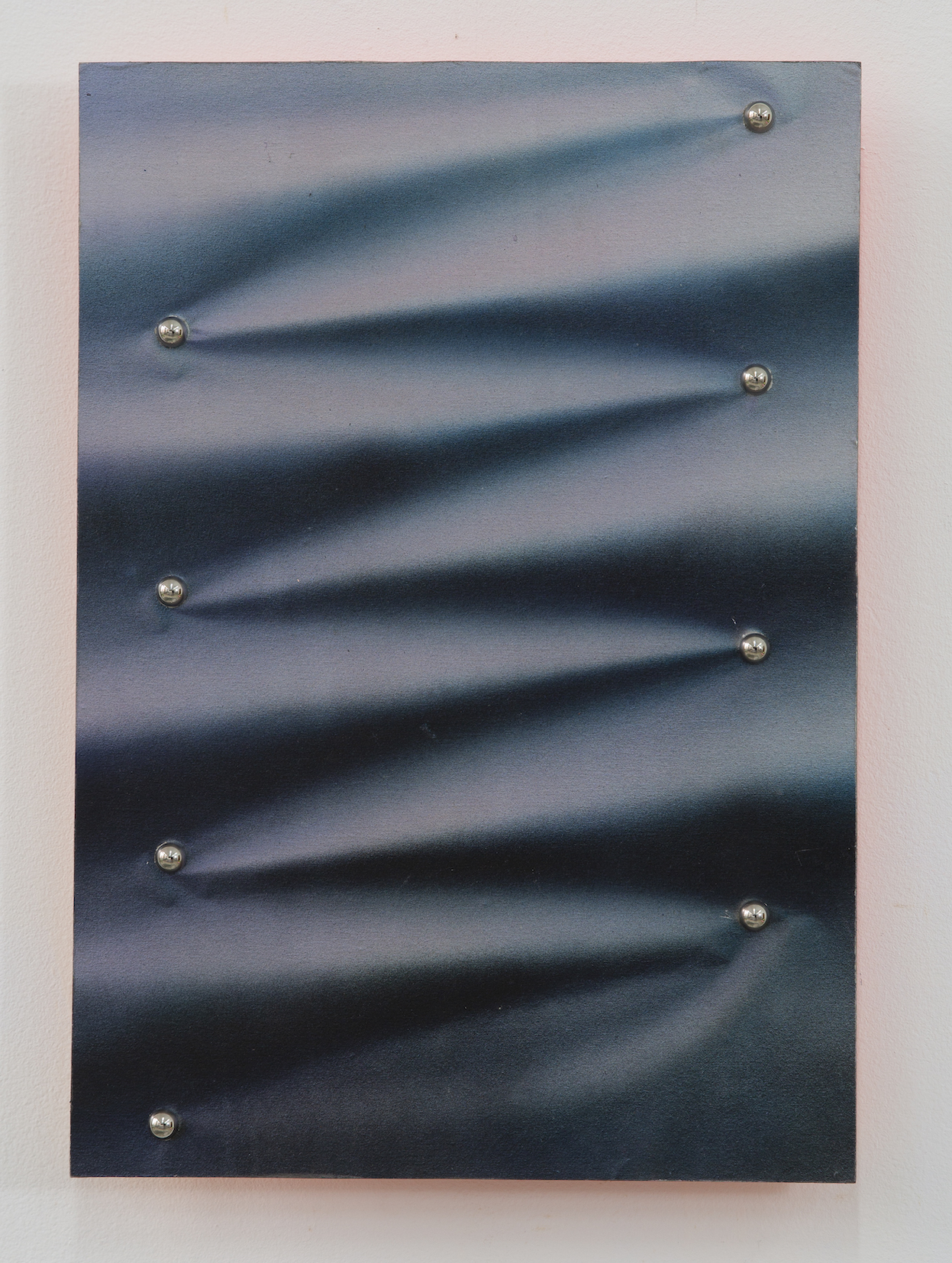
Pleats - Fix #421299b, Mixed Media, 42.1X29.9X4.1 cm, 2025
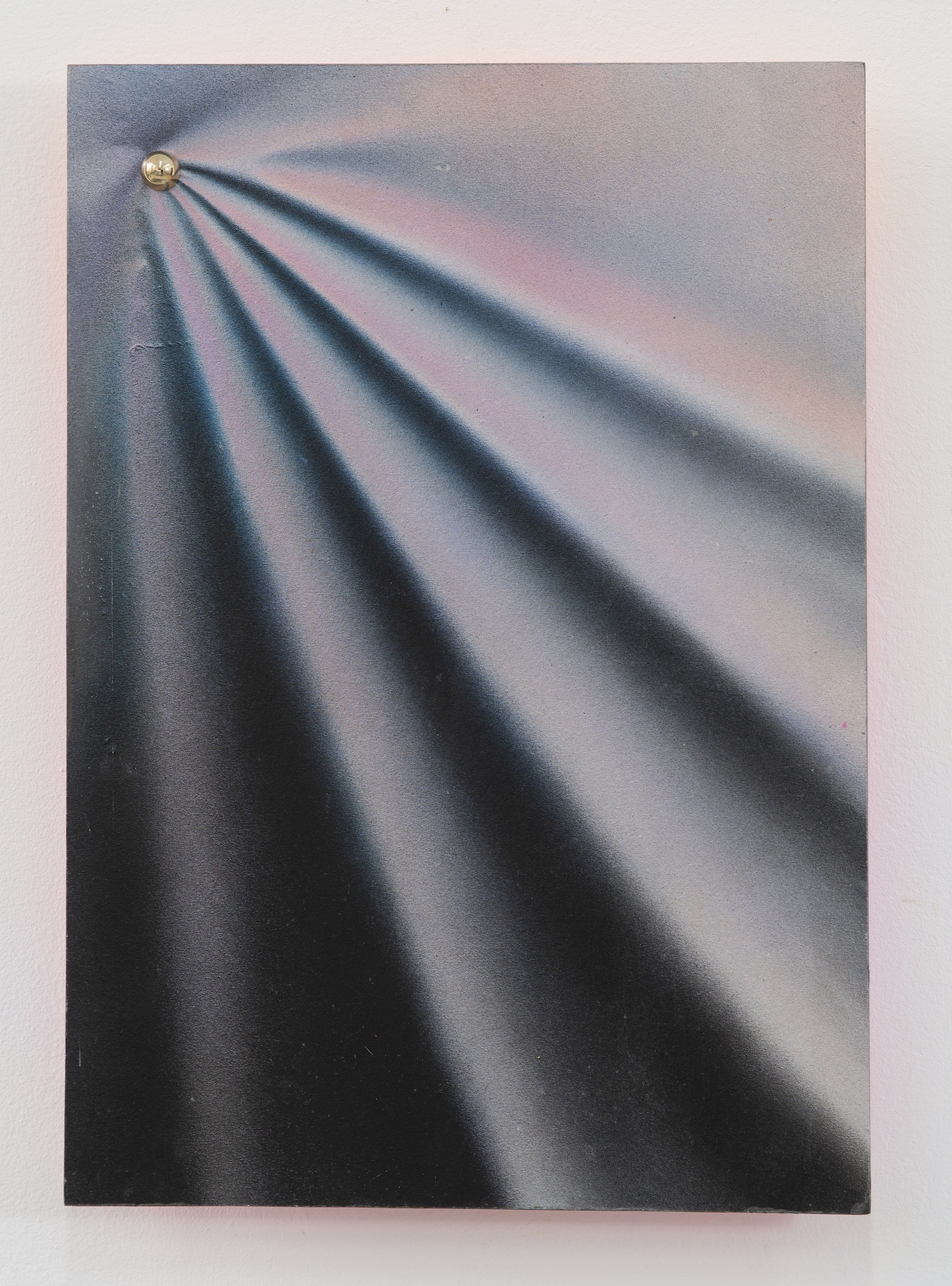
Pleats - Fix #421299c, Mixed Media, 42.1X29.9X4.1 cm, 2025
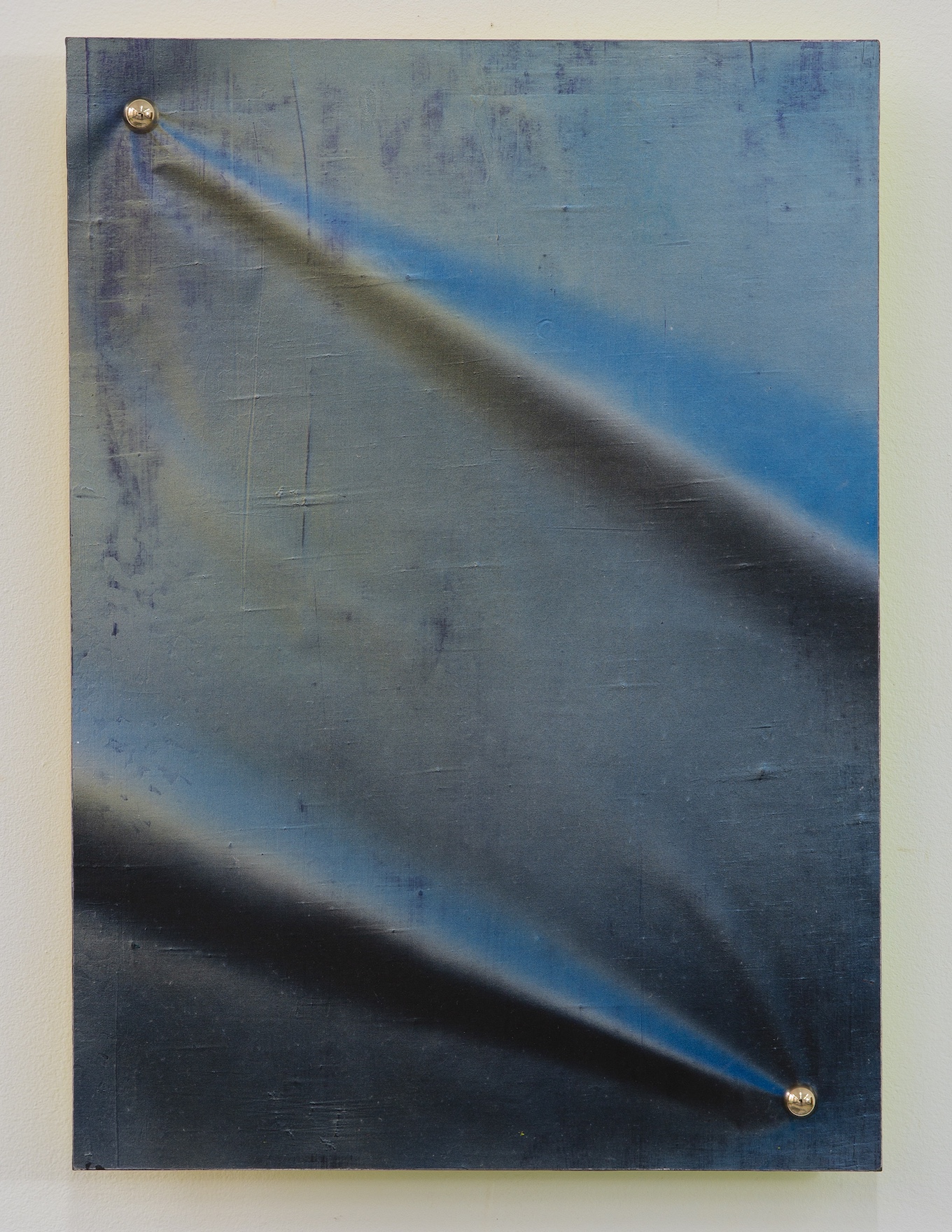
Pleats - Fix #457330, Mixed Media, 45.7X33X4 cm, 2025
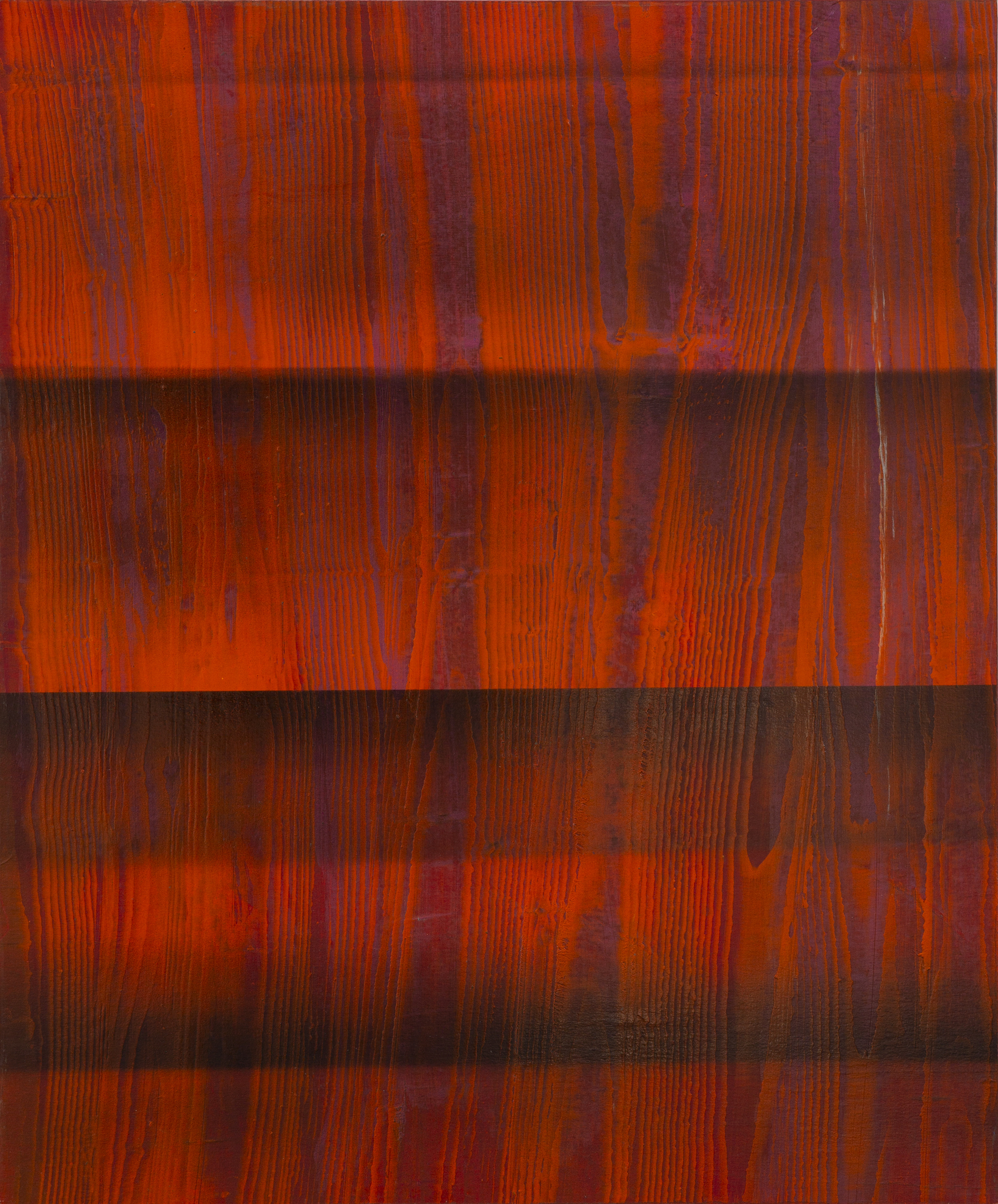
Pleats - Texture(Fluorescent Pink/Burgundy), Mixed media on wood, 60X50X4.5 cm, 2025
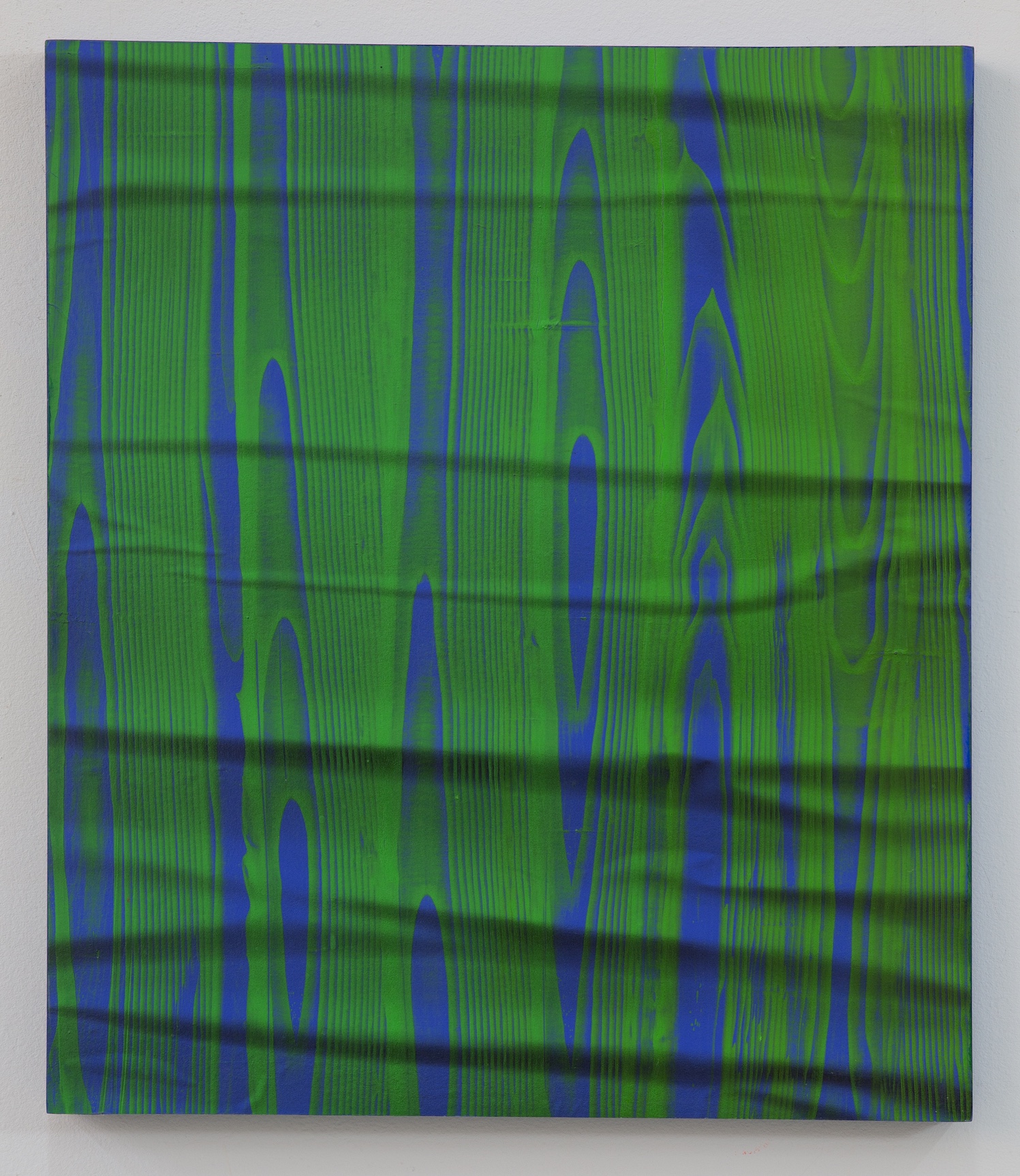
Pleats - Texture(Fluorescent Cobalt Blue), Mixed media on wood, 60X50X4.5 cm, 2025
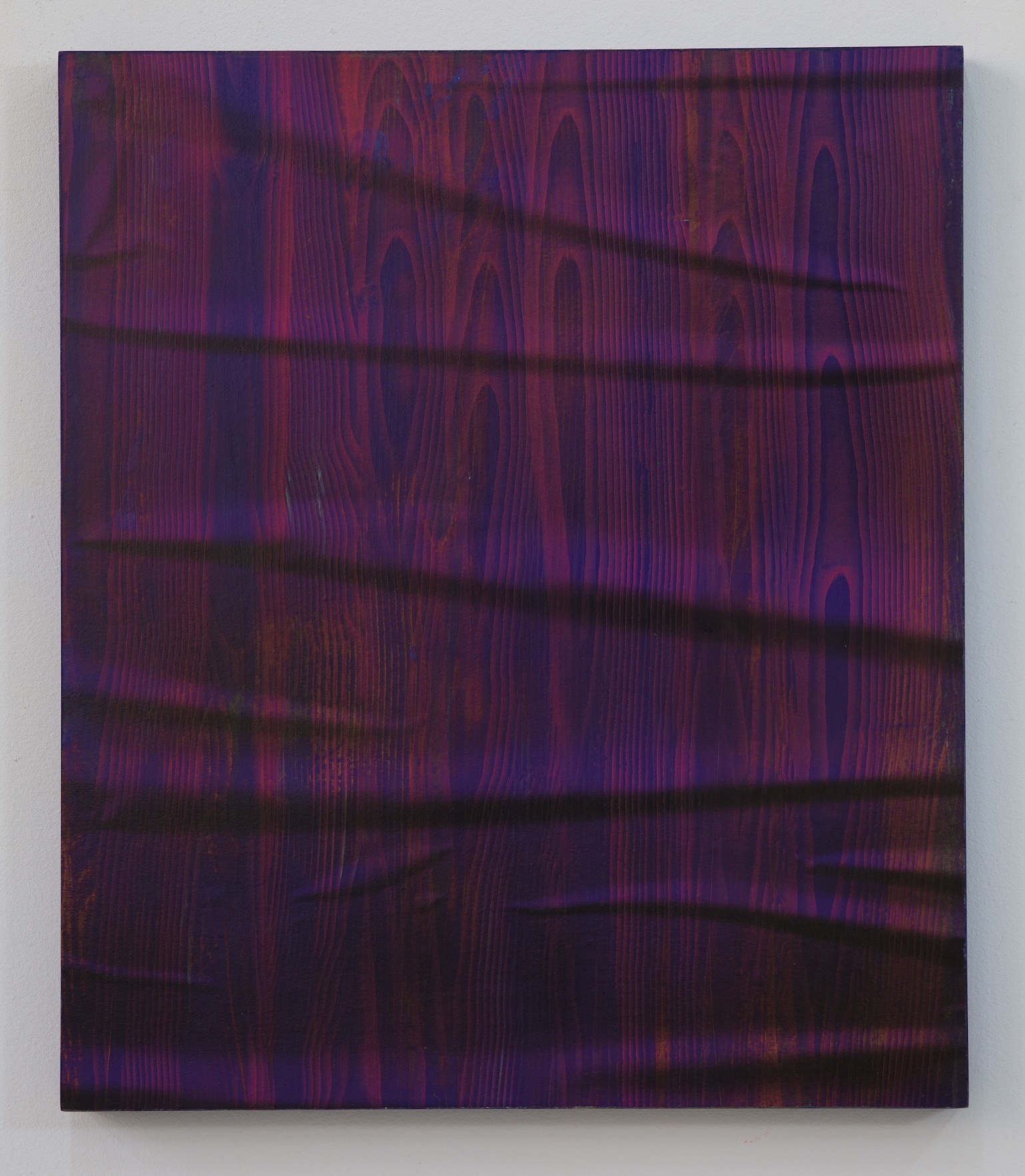
Pleats - Texture(Fluorescent Hot Pink / Indigo Blue), Mixed media on wood, 60X50X4.5 cm, 2025
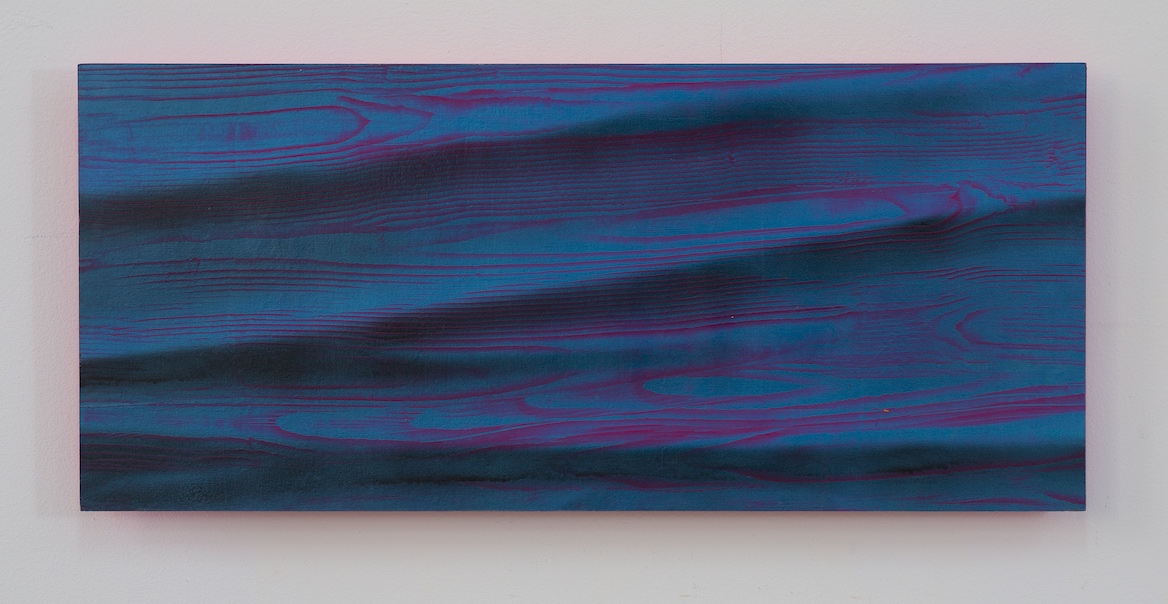
Pleats - Texture(Hot Pink / Pearl Blue) 28.4X63.9X3.6 cm, 2025
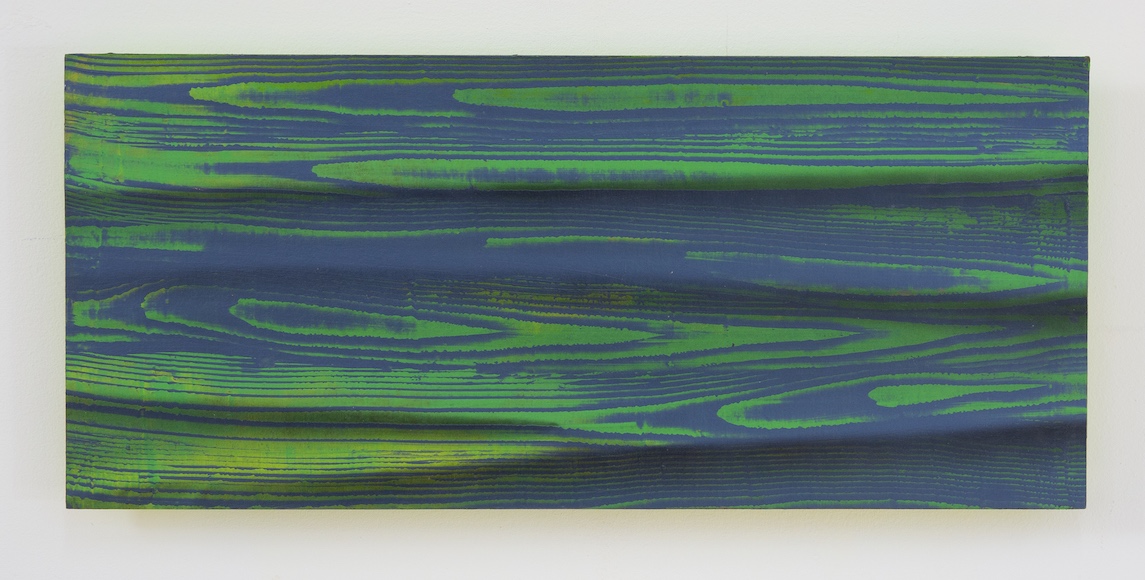
Pleats - Texture(Neon Yellow-Green / Color-shifiting Black Blue) 28.4X63.9X3.6 cm, 2025
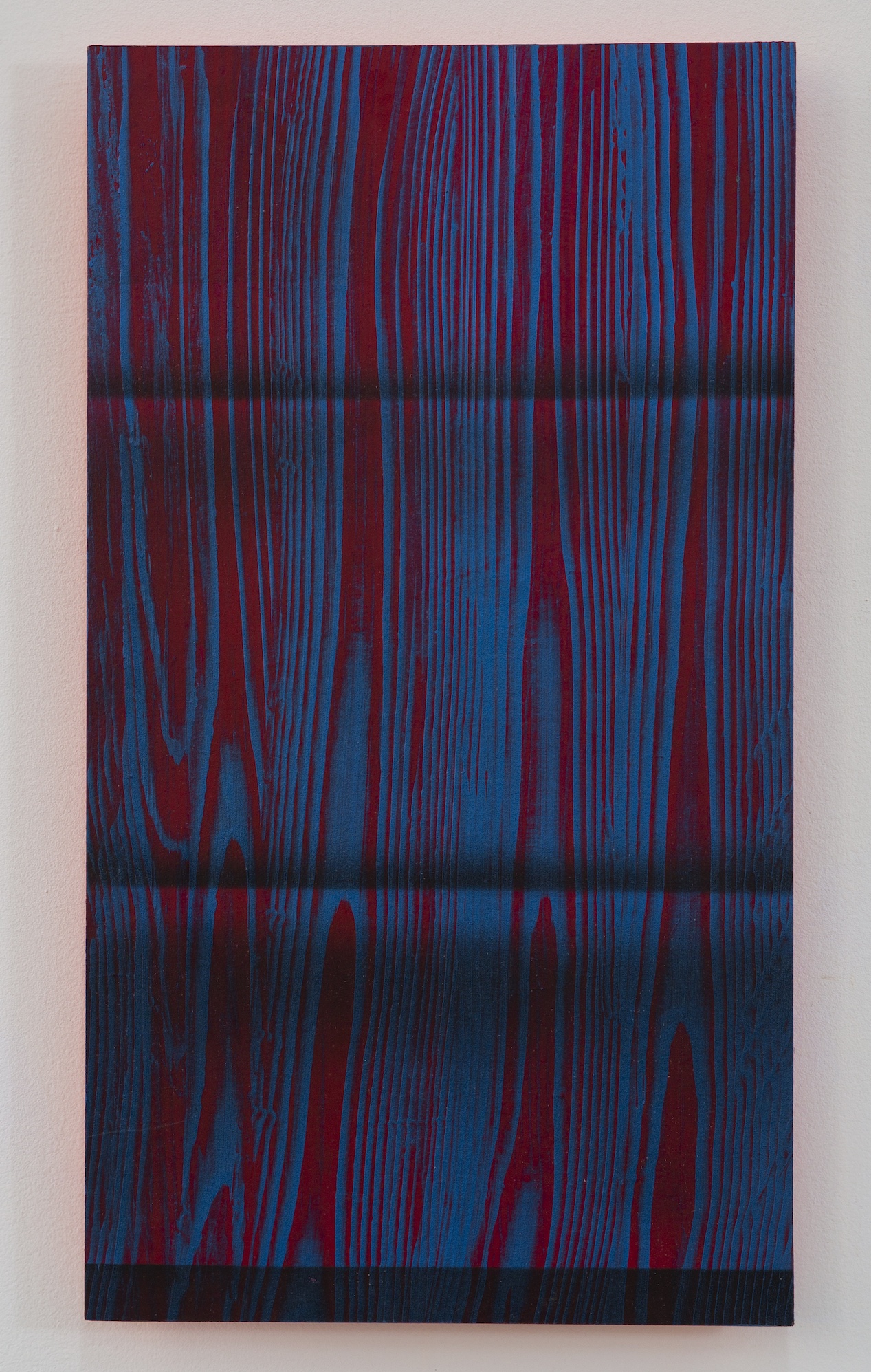
Pleats - Texture(Burgundy / Pearl Blue), Mixed Media, 51.4X28.4X3.6 cm, 2025
'The Intermediate State"
Art+ Shanghai is pleased to present "中间态 The Intermediate State", a solo exhibition by Fu Shuai that explores the unstable nature of our contemporary visual experience. For over a decade, Fu has occupied a distinctive position within Chinese contemporary art through his signature technique of transforming paper, one of the most humble and fragile substrates, into meticulously crafted simulacra of oxidized and corroded metal. His earlier works demonstrated perfect mastery of material deception, deploying traditional construction and meticulous textural rendering to create what appeared to be decomposing industrial surfaces bearing the temporal inscription of rust, wear, and obsolescence. In this new body of work, however, Fu abandons representation entirely in favor of a radical methodology that positions Light itself as both generative medium and conceptual subject of the practice.
The exhibition posits that in our contemporary hyperreal condition, where the virtual has not simply infiltrated but exhaustively colonized and rewritten the material world, the role of the artist is no longer to represent illusion through mimetic skill but to document the ontological collapse between the dimensional and the flat, the physically present and the photographically recorded, the materially existing and the purely optical.
The conceptual architecture of 中间态 (The Intermediate State) rests on a technical innovation that Fu describes as "reverse engineering," a process that fundamentally inverts the traditional relationship between painting and its referent. Fu does not simply translate volume through the classical means of chiaroscuro and perspective: he constructs a real spatial presence in order to then collapse it into the two-dimensional plane, without losing its original radiance. The methodology unfolds in three distinct stages: first, paper is physically crumpled, folded, and compressed to construct an actual volumetric form; next, an airbrushed pigment, often incorporating metallic particles that respond dynamically to ambient light, is applied from a single, predetermined viewpoint, allowing the paint to function not as a descriptive medium but as a recording apparatus; finally, the paper substrate is carefully unfolded and flattened, returning the three-dimensional object to the pictorial plane while preserving what Fu evocatively terms the "light-shadow memory" of its brief existence in space. This approach situates the work in a hybrid zone, between the indexicality of the photographic medium and pictorial fabrication, between automatic capture and human intervention. The images produced are less paintings than archives: they precisely document the encounter of light and matter in a unique spatiotemporal instant.
This technique has important consequences for how we see images today. Unlike classical trompe-l'oeil where the artist tries to deceive our eye through skill, Fu's works have a real, physical basis. The shadows and highlights we see on the canvas are not painted in an illusionistic manner: they are actual traces of a three-dimensional object, captured by the airbrush like a kind of photograph. The droplets of paint, according to Fu, function like photons striking photographic film. They faithfully record the areas exposed to light and those in shadow on the crumpled paper. When we look at these works, we don't see a simple imitation of a relief form, but the ghostly imprint of that form, a spatial presence that has been transformed into pure image. This idea explains why the exhibition speaks of archaeology: Fu doesn't create illusions, he unveils them. He reveals the hidden depth in the flat surfaces of our screen-based world.
The works assembled in the exhibition coalesce into two interconnected series that map the visual lexicon of post-industrial urbanism with ethnographic precision. The Fold-Fix series engages directly with the material epidermis of the contemporary metropolis, the corrugated metal barriers that demarcate perpetual construction sites, the frames of empty advertising panels awaiting commercial content, the prefabricated iron facades of half-finished buildings that populate the urban periphery. These are the remnants of urban development, the spaces abandoned after capital's passage. Under the city's neon lights, these industrial materials take on an almost hallucinatory appearance, recalling cyberpunk landscapes where ruin and modernity meet. Fu's fluorescent palette, which in his earlier works signified the virtual luminescence of digital screens, has migrated outward, infiltrating the physical fabric of the city itself. This chromatic shift registers a fundamental transformation in the relationship between the virtual and the actual: we no longer inhabit a world where these categories remain distinct, but we have entered what Fu describes as a thoroughly mixed "intermediate state" in which reality is completely saturated and rewritten by the virtual.
The compositional logic of the Fold-Fix series embodies this dialectical condition through a tension between predetermined industrial order and organic unpredictability. Each work is governed by a pre-established pattern of rivets, rational anchor points that represent systemic discipline, the macro-level structures of industrial production and bureaucratic control. Yet between these fixed coordinates, the supple paper generates folds whose precise configurations remain fundamentally uncontrollable. Even when the rivet pattern is identical across multiple works, each folding produces a unique light-shadow effect. This methodology, Fu suggests, functions as a formal analogy of contemporary social structure. The works function simultaneously as art objects and as symbolic representations of power. They show the relationship between systemic constraints and individual freedom, traced on crumpled paper and marked by light.
Theoretically, this investigation finds its foundation in French philosopher Gilles Deleuze's conceptualization of the fold (le pli) as a philosophical figure for understanding the relationship between interior and exterior, visible and invisible, surface and depth. For Deleuze, the fold is not merely a change in material configuration but a mechanism of transformation, a topological operation through which the exterior is internalized and the hidden is brought to visibility. Fu's practice embodies this concept: the three-dimensional fold is reduced to a two-dimensional representation, but the spatial volume it contained persists as a visual trace, a spectral presence encoded in the play of light and shadow.
The titles of his works reinforce this paradox, many bearing only their physical dimensions, cold numerical designations that measure the flat substrate while remaining silent about the spatial volumes that seem to be contained within. For Fu, the difference between an object's actual dimensions and its representation becomes a metaphor: it evokes the hidden spaces within folds, those volumes we don't see but which shape our way of perceiving the world.
The Fold-Texture series pursues a parallel but distinct trajectory, staging an explicit confrontation between the natural and the industrialized, the organic and the synthetic. Here, Fu renders evocative images of natural phenomena, the flowing grain of wood, the concentric ripples of water, using high-purity industrial fluorescent pigments in colors that have no referent in the organic world. The result is what the artist terms "artificial nature" or "alienated landscape," a visual regime in which the fluidity and irregularity of natural process are solidified, frozen, and ultimately replaced by the rigidity of industrial materiality. These works function as indices of a broader ecological and perceptual crisis: in a world where wilderness has been exhaustively colonized by technological infrastructure, where "nature" exists primarily as screensaver imagery and decorative motif, the natural can only be represented through the visual language of the artificial. The wood grain is not wood but a simulacrum; the water's undulation is not water but a hyper realistic substitute that is, paradoxically, more visually convincing than any actual natural phenomenon could be.
Extending beyond the two-dimensional investigations that have long characterized his practice, Fu has recently begun experimenting with what he describes as "soft sculpture," works that explore an "intermediate state of material properties" to complement his established inquiry into "2 1/2D" spatial ambiguity. In these pieces, paper, saturated with multiple layers of acrylic paint, acquires the drape, flexibility, and tactile qualities of fabric, hanging vertically on the wall with textile suppleness. Yet visually, through Fu's deployment of metallic pigments and carefully orchestrated light-shadow effects, these works continue to present themselves as cold, hard, industrially produced metal. This discrepancy between what the eye perceives and what the hand would discover, between visual illusion and tactile reality, reinforces the ontological ambiguity that runs through the entire project. This expansion does not represent a departure from Fu's central concerns but their three-dimensional extension: if the earlier works occupied the ambiguous zone between flat image and volumetric object, these new pieces inhabit the equally unstable territory between fabric and metal, between soft and hard, between organic malleability and industrial rigidity.
中间态 (The Intermediate State) thus positions Fu Shuai's practice as a sustained archaeological investigation of the epistemological crisis that defines contemporary visual culture. We inhabit a moment, the exhibition suggests, in which the deceptiveness of visual perception is no longer simply an optical game but our fundamental existential condition. When painting appears more materially convincing than physical reality, when flat illusions prove more dimensionally persuasive than authentically three-dimensional entities, when industrial surfaces evoke organic processes more effectively than nature itself, we are not simply confronted with the virtuosity of an individual artist but with the essential character of a world in which images have definitively supplanted material presence. Fu's practice neither laments this condition nor offers nostalgia for an unmediated relationship to the real. Instead, through its rigorous material investigations and conceptual precision, it provides the analytical tools necessary to navigate and critically understand our contemporary landscape that is hype realistically simulated, absolutely hyper realistic.