Scan our QR code to stay updated with the recent news and upcoming events.
Scan our QR code to stay updated with the recent news and upcoming events.

Yu Qiping was admitted to the Fine Arts Department of Nanjing University of the Arts in 1980, majoring in Chinese painting. He currently lives and works in Shanghai.
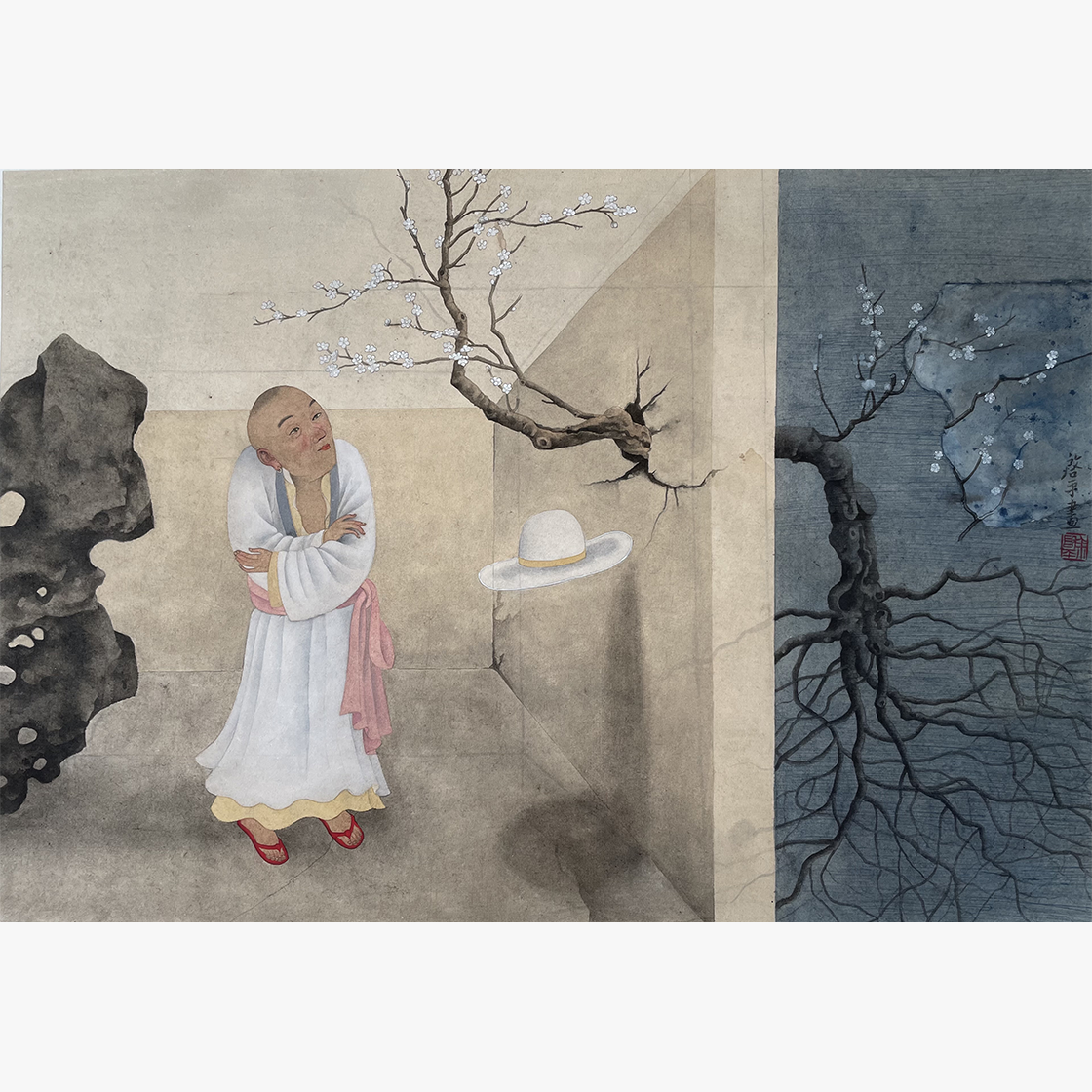
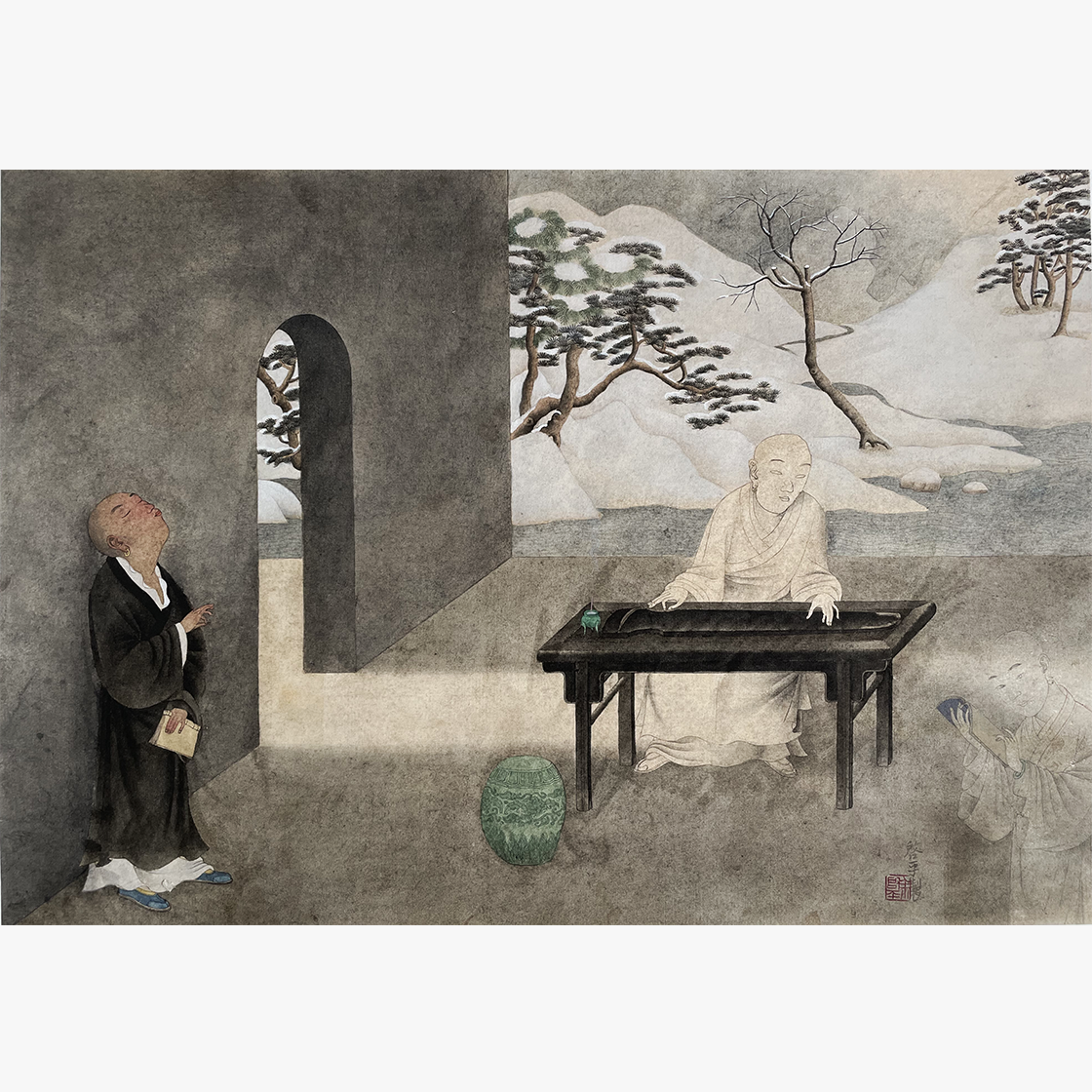
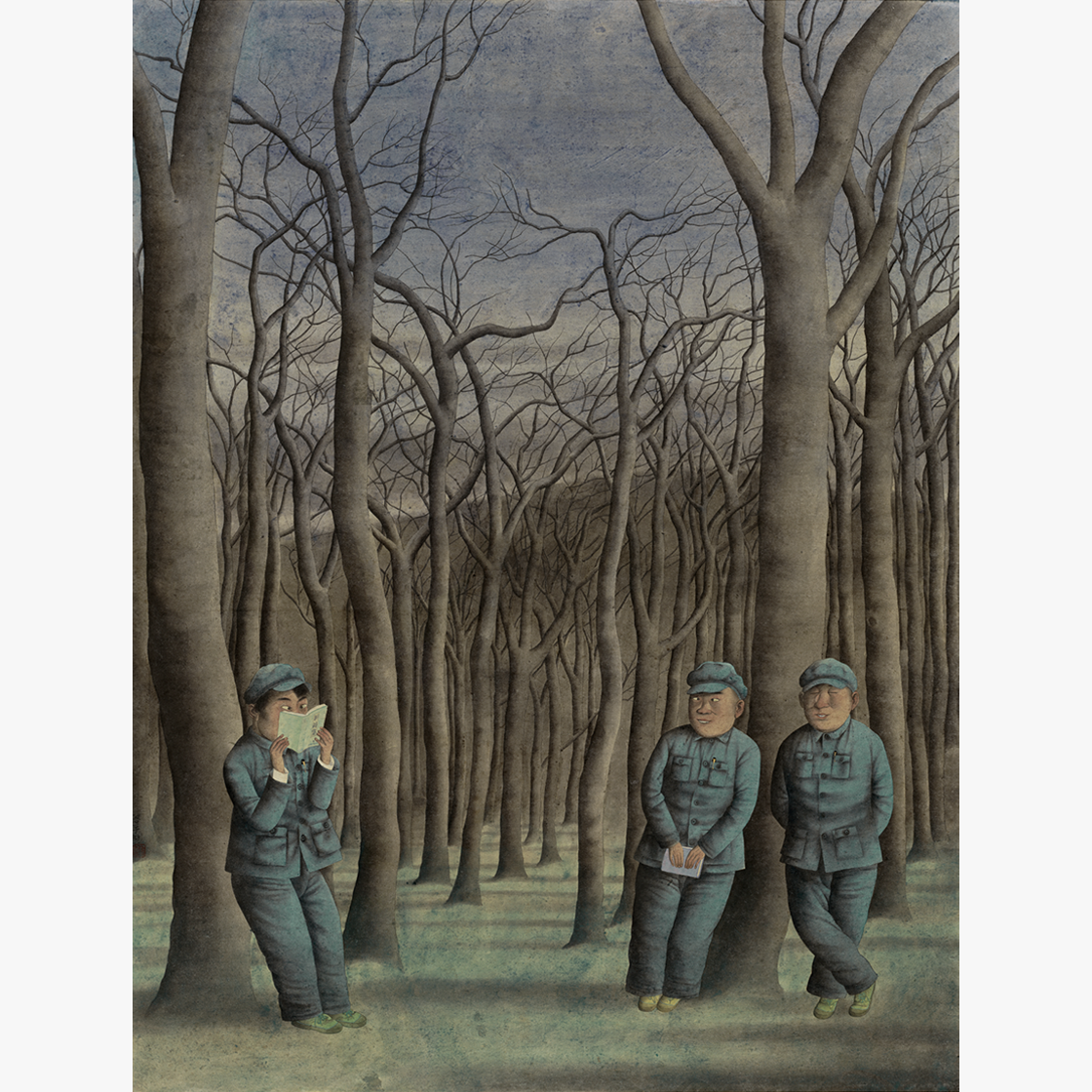
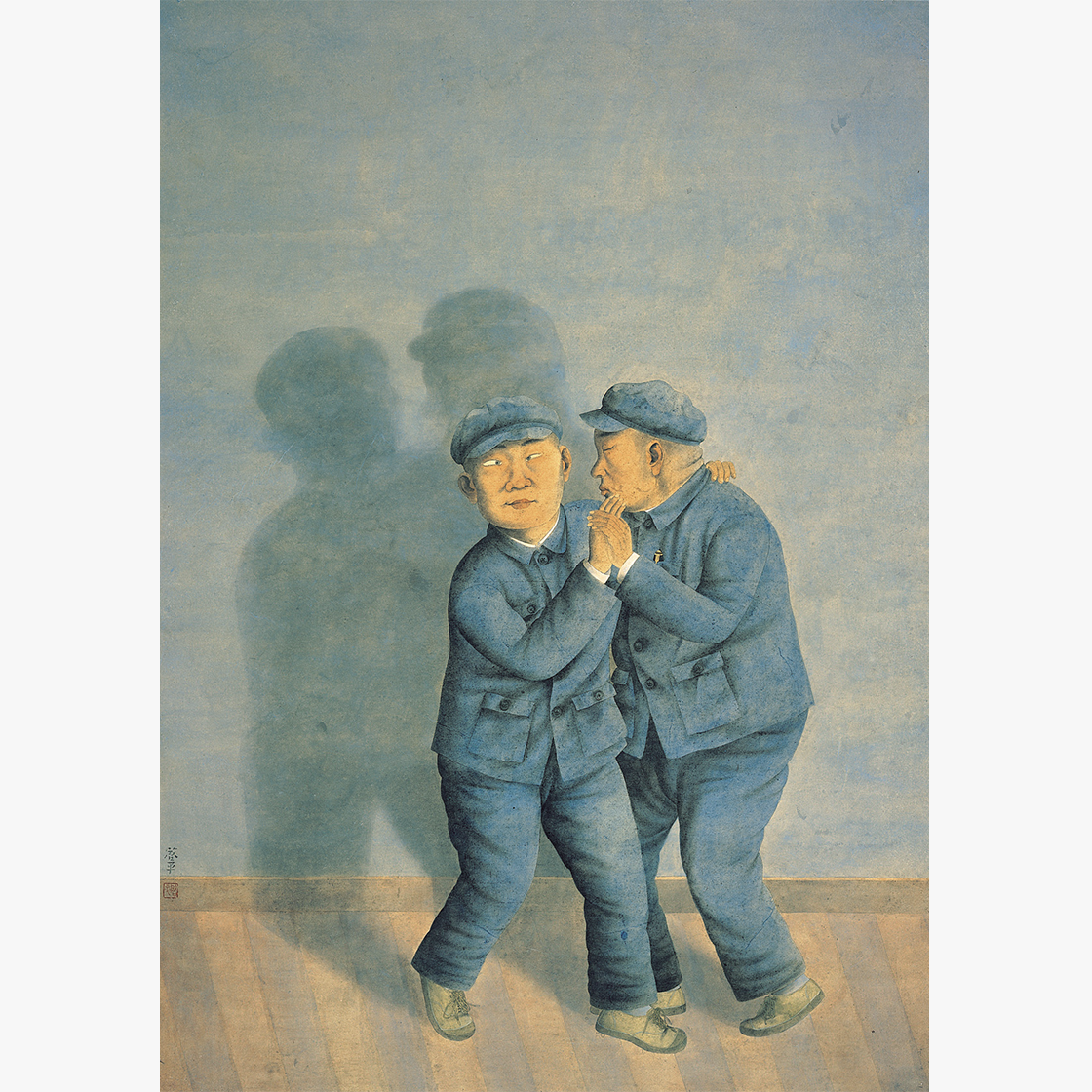
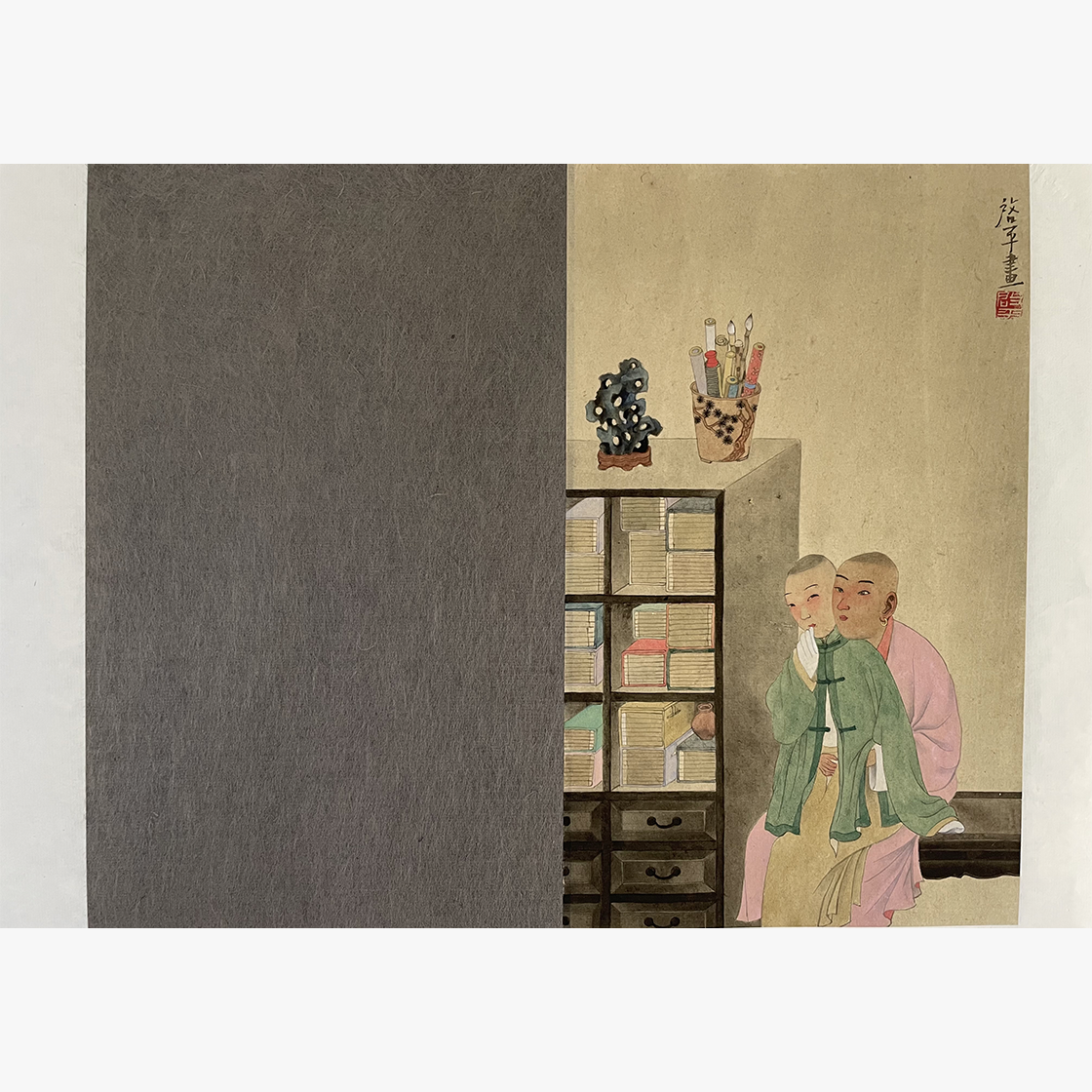
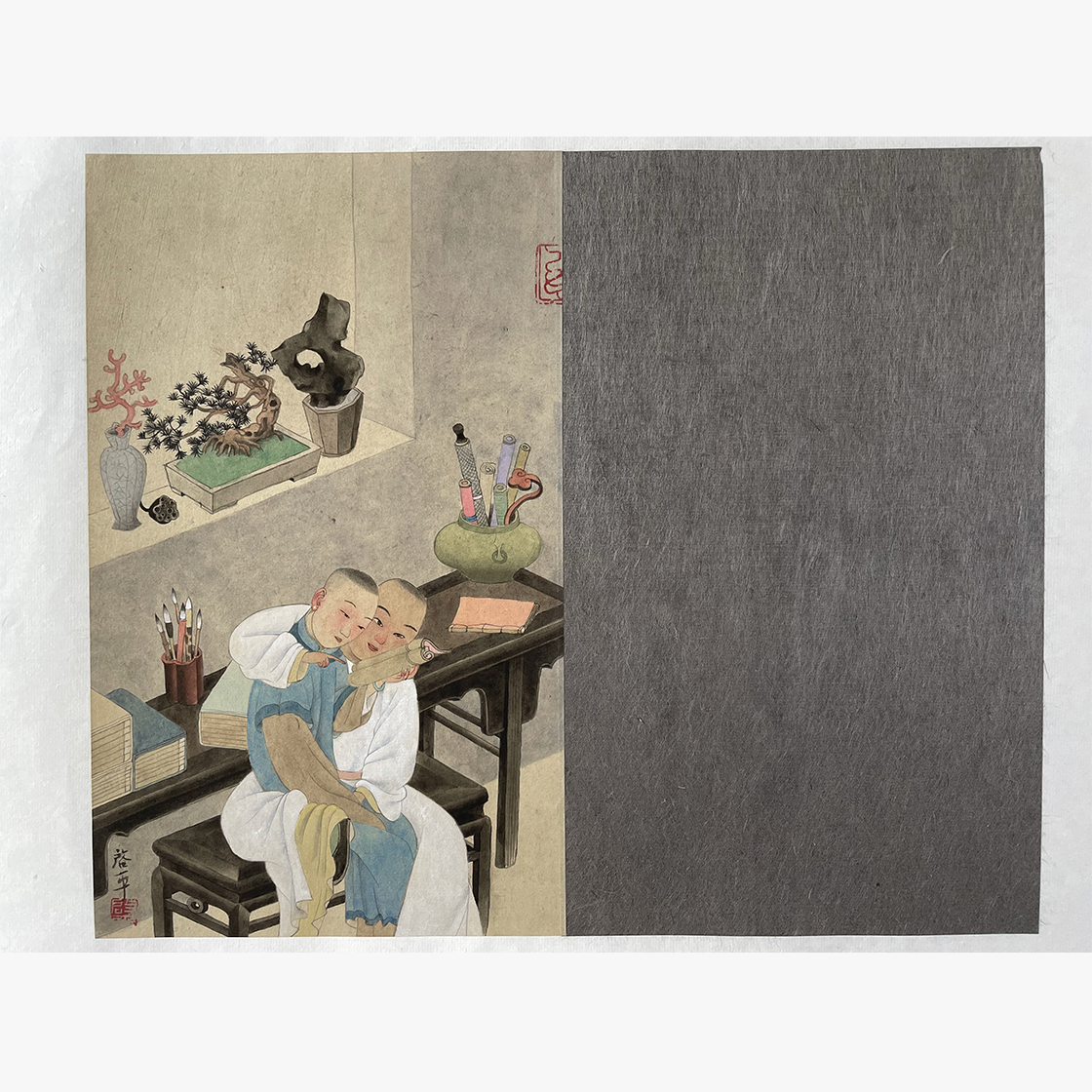
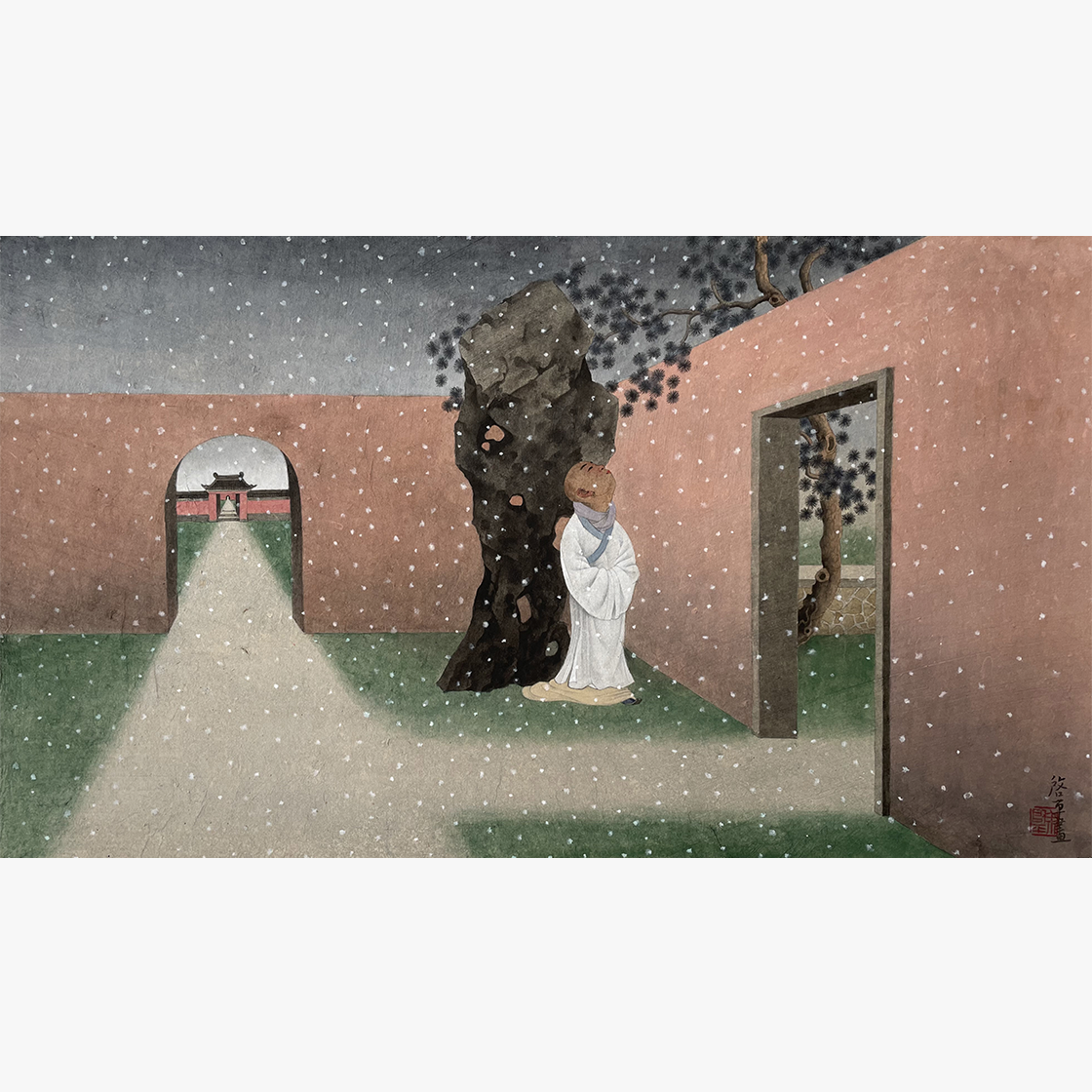
Although he is a creator of Chinese painting, Yu Qiping's art, rendered through brush, ink, rice paper, and color, is thoroughly infused with the contemporary individual's delicate observation and imagination of real life. He describes himself as an *antiquarian modernist*—while he is deeply enamored with antique-style courtyards, domestic settings, and studies, he prefers to create through the emotional and visual perceptual modes of a contemporary person. Yu Qiping believes that memory is genuinely important, especially for a painter. It is often an image lingering in his mind, a line from an ancient poem, or an intriguing scene that touches a certain nerve and sparks his urge to create. As fragments of memory, along with the imagery evoked by their associated associations, gradually become concrete, they take shape as pencil sketches in the artist's hand—and thus, the first drafts of his works are born.
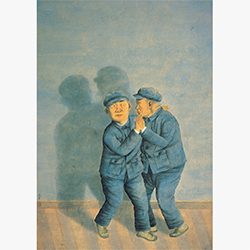
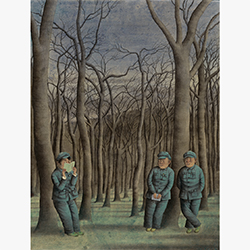
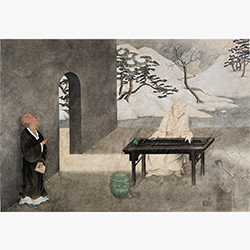
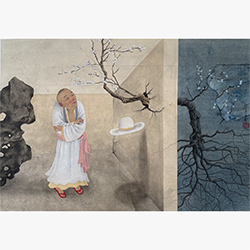
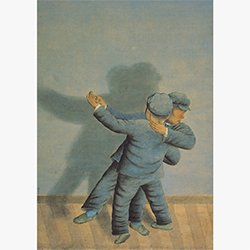
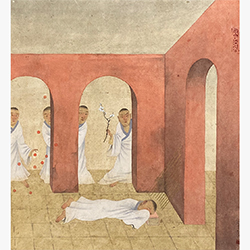
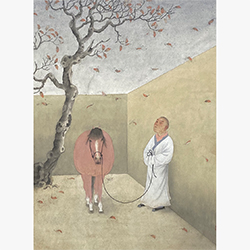
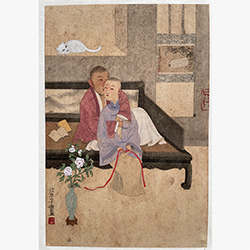
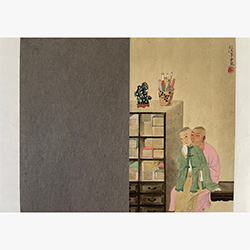
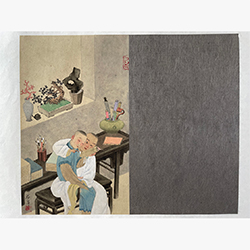
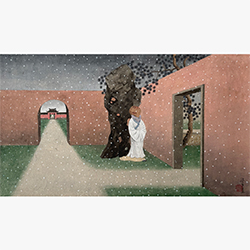
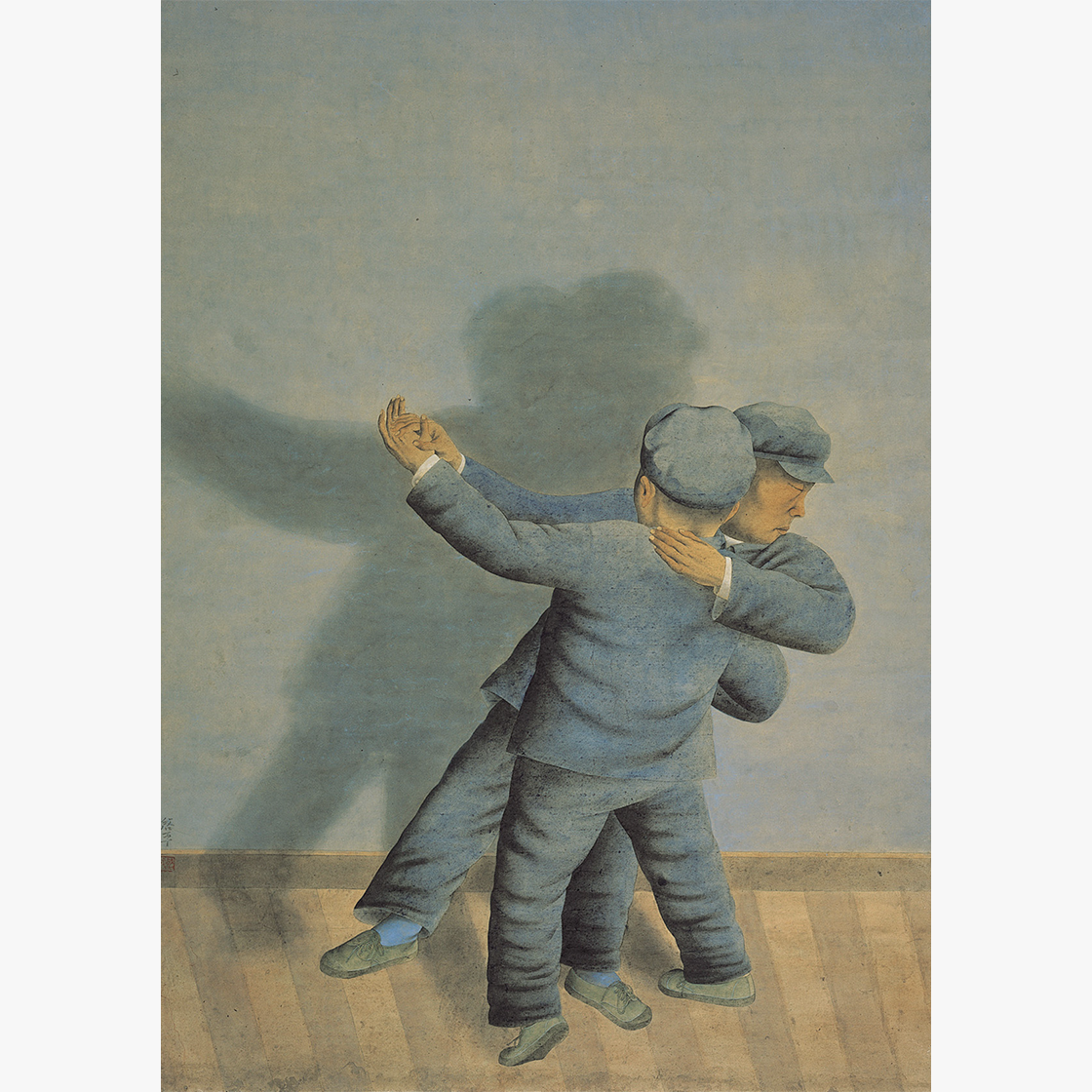
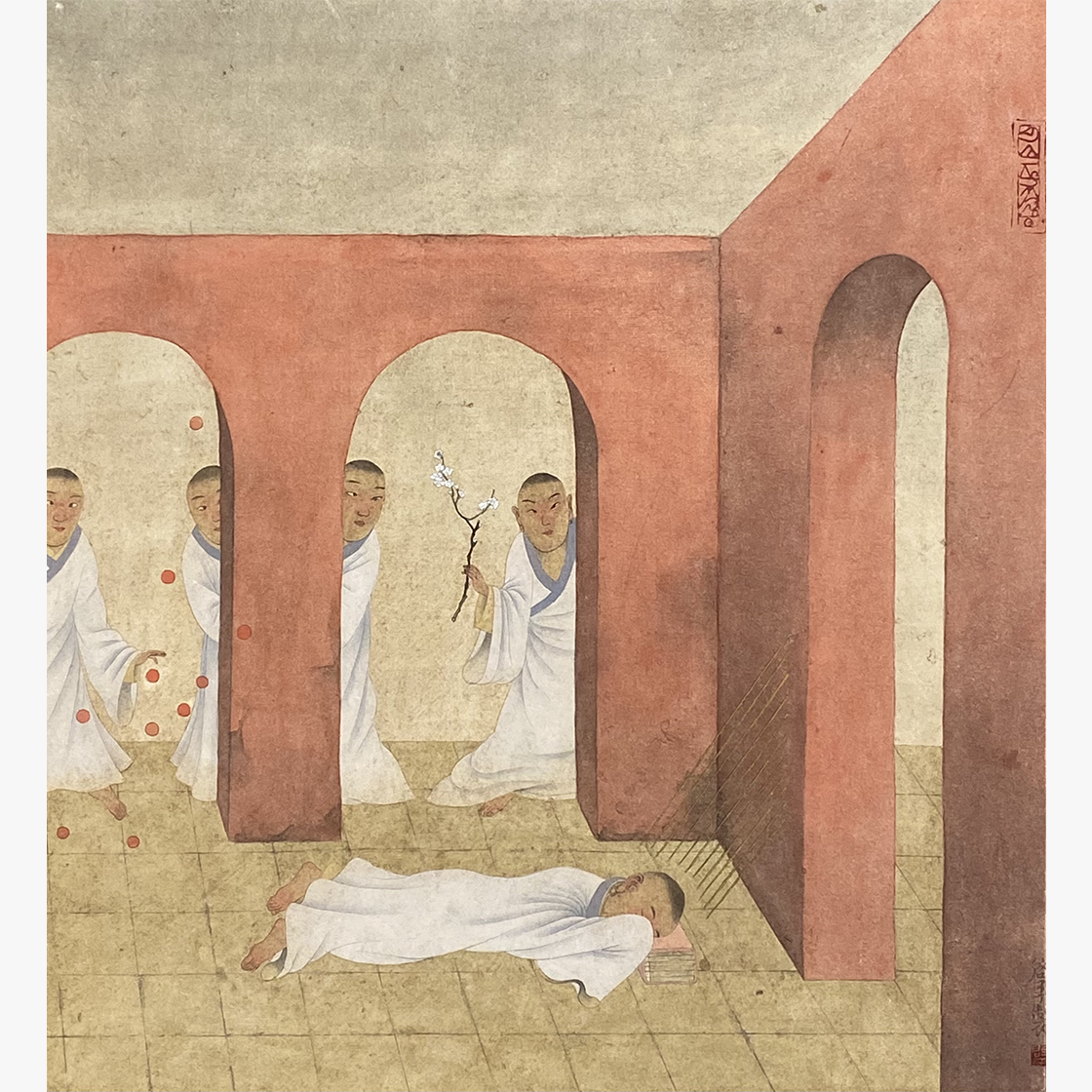
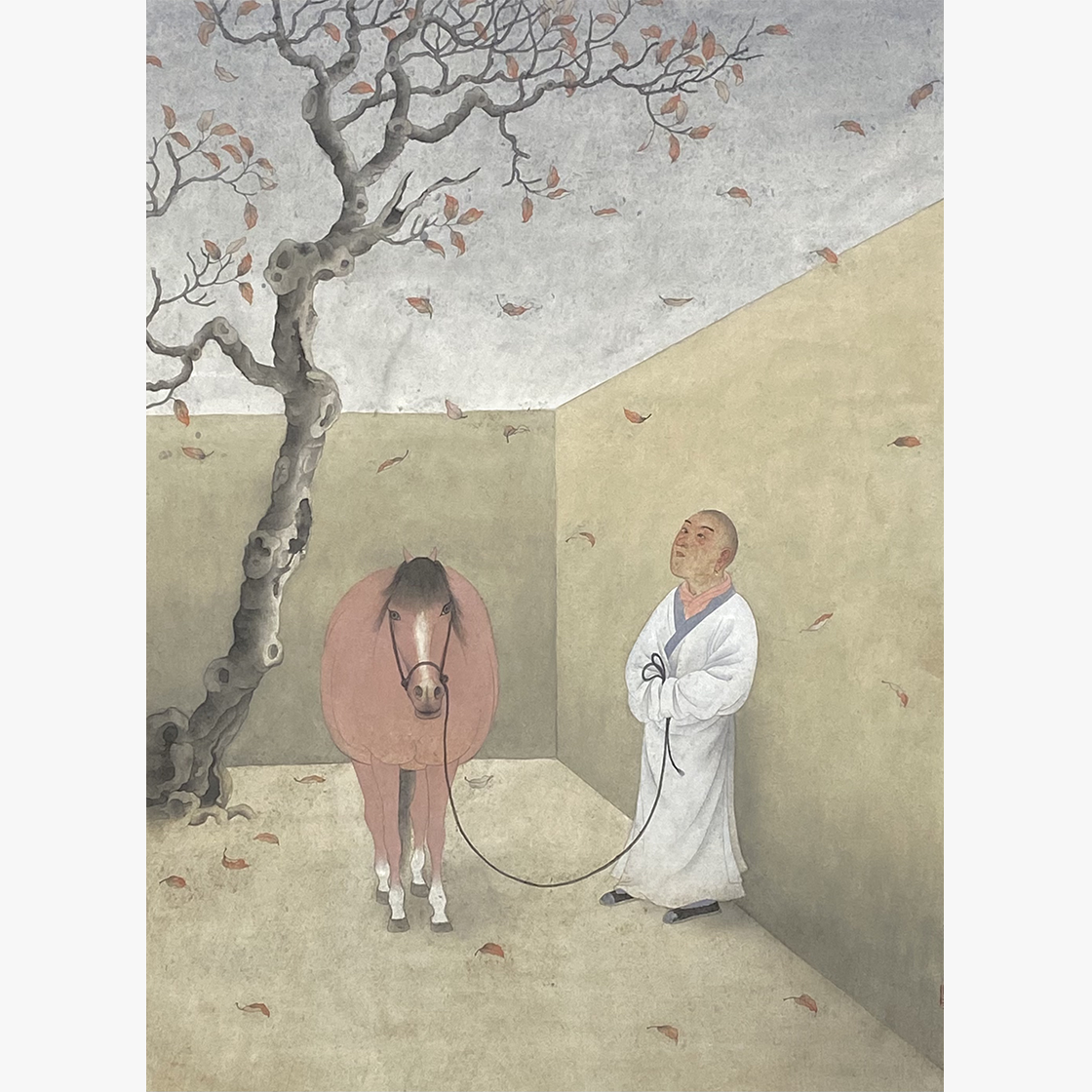
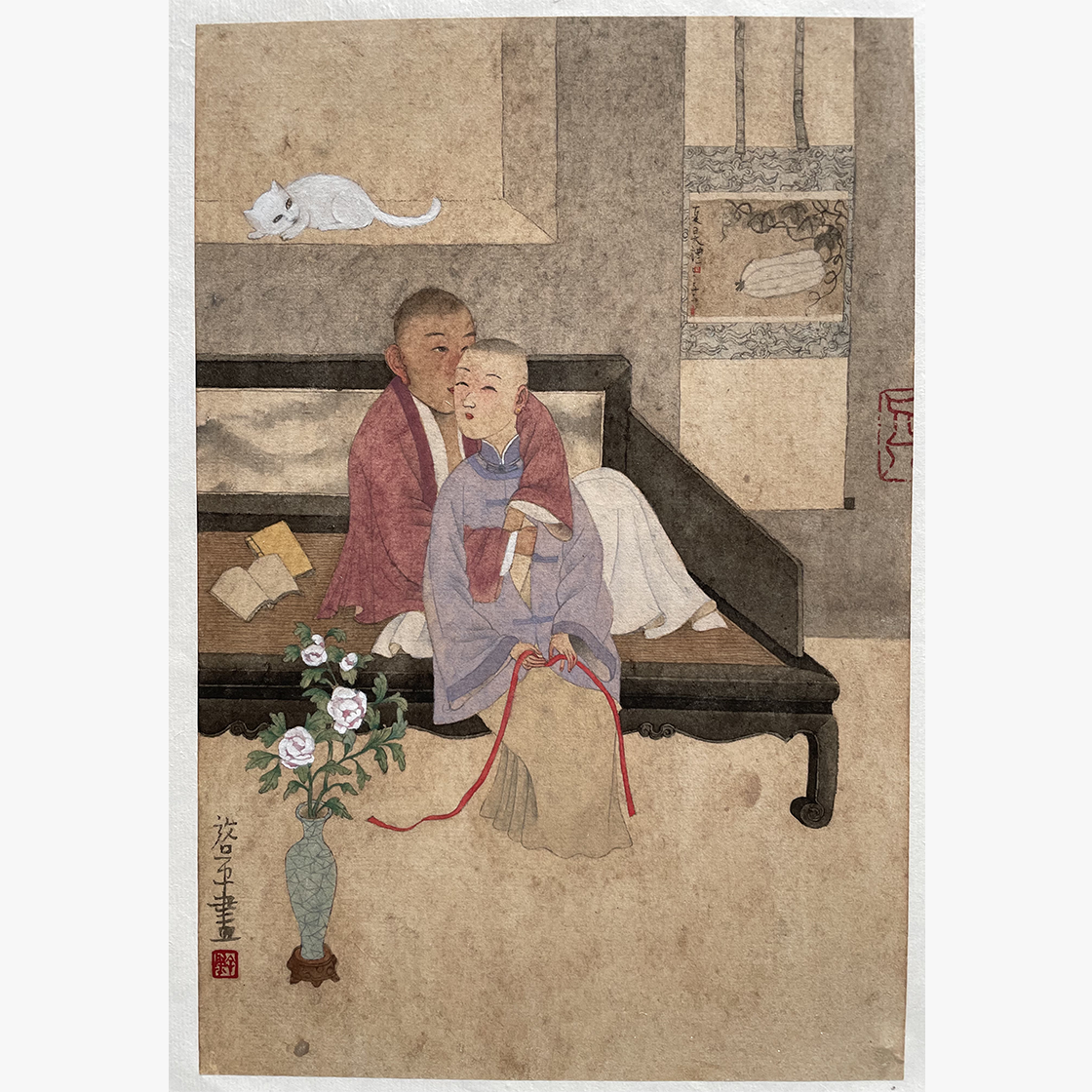
Yu Qiping's paintings are most renowned for their exquisite composition and masterful spatial arrangement. He employs traditional ink and brushwork while adhering to modern concepts of color usage, and his pictorial structures incorporate the perspectives of Western painting, resulting in works that exude a highly personalized aesthetic. Yu Qiping's paintings do not concern grand narrative themes, but rather the hidden yet candid inner emotions directed toward life itself. In the eyes of critic Fu Xiaotong, Yu Qiping's works represent a realm of joy within elegant surroundings—a Peach Blossom Spring of sensuous and unfettered delight.
In fact, Yu Qiping has never shied away from expressing his love for life. He enjoys opening his windows to admire the flourishing beauty of flowers, and he is also passionate about collecting various handmade artifacts by artists. He often casually arranges flower bouquets, and sometimes becomes so absorbed in reading that he delays his painting... Because he believes that good art requires the sedimentation of time and the accumulation of knowledge; only with a state of mind that can fully savor life can one create artworks that are vivid, engaging, and truly unforgettable.
Yu Qiping was admitted to the Fine Arts Department of Nanjing University of the Arts in 1980, majoring in Chinese painting. He currently lives and works in Shanghai.
Although he is a creator of Chinese painting, Yu Qiping's art, rendered through brush, ink, rice paper, and color, is thoroughly infused with the contemporary individual's delicate observation and imagination of real life. He describes himself as an *antiquarian modernist*—while he is deeply enamored with antique-style courtyards, domestic settings, and studies, he prefers to create through the emotional and visual perceptual modes of a contemporary person. Yu Qiping believes that memory is genuinely important, especially for a painter. It is often an image lingering in his mind, a line from an ancient poem, or an intriguing scene that touches a certain nerve and sparks his urge to create. As fragments of memory, along with the imagery evoked by their associated associations, gradually become concrete, they take shape as pencil sketches in the artist's hand—and thus, the first drafts of his works are born.
Yu Qiping's paintings are most renowned for their exquisite composition and masterful spatial arrangement. He employs traditional ink and brushwork while adhering to modern concepts of color usage, and his pictorial structures incorporate the perspectives of Western painting, resulting in works that exude a highly personalized aesthetic. Yu Qiping's paintings do not concern grand narrative themes, but rather the hidden yet candid inner emotions directed toward life itself. In the eyes of critic Fu Xiaotong, Yu Qiping's works represent a realm of joy within elegant surroundings—a Peach Blossom Spring of sensuous and unfettered delight.
In fact, Yu Qiping has never shied away from expressing his love for life. He enjoys opening his windows to admire the flourishing beauty of flowers, and he is also passionate about collecting various handmade artifacts by artists. He often casually arranges flower bouquets, and sometimes becomes so absorbed in reading that he delays his painting... Because he believes that good art requires the sedimentation of time and the accumulation of knowledge; only with a state of mind that can fully savor life can one create artworks that are vivid, engaging, and truly unforgettable.