Scan our QR code to stay updated with the recent news and upcoming events.
Scan our QR code to stay updated with the recent news and upcoming events.

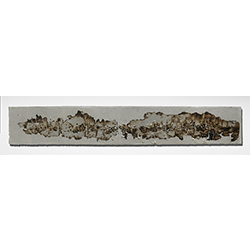
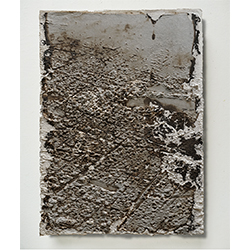
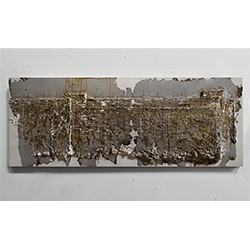
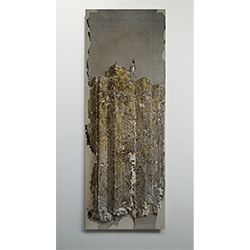
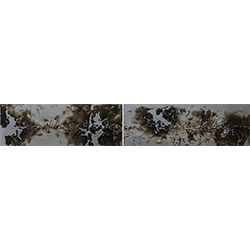
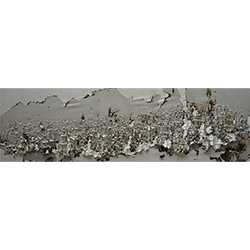
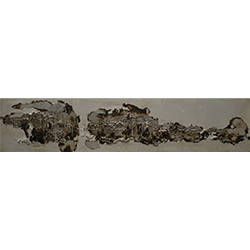
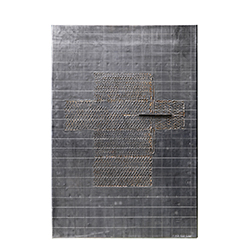
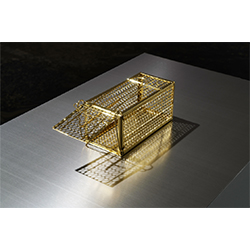
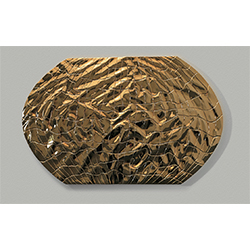
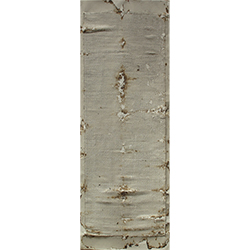
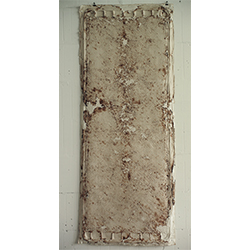
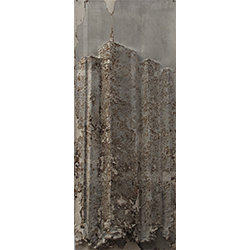
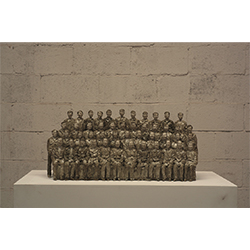
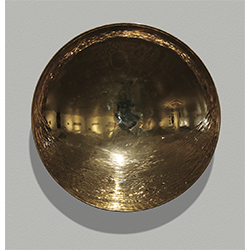
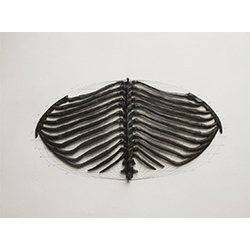
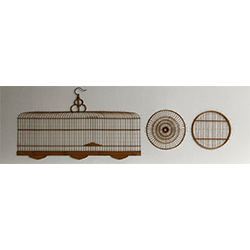
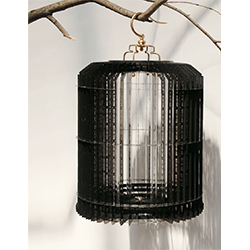
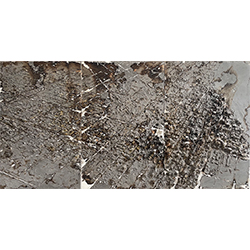
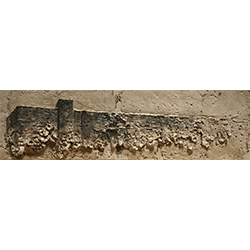
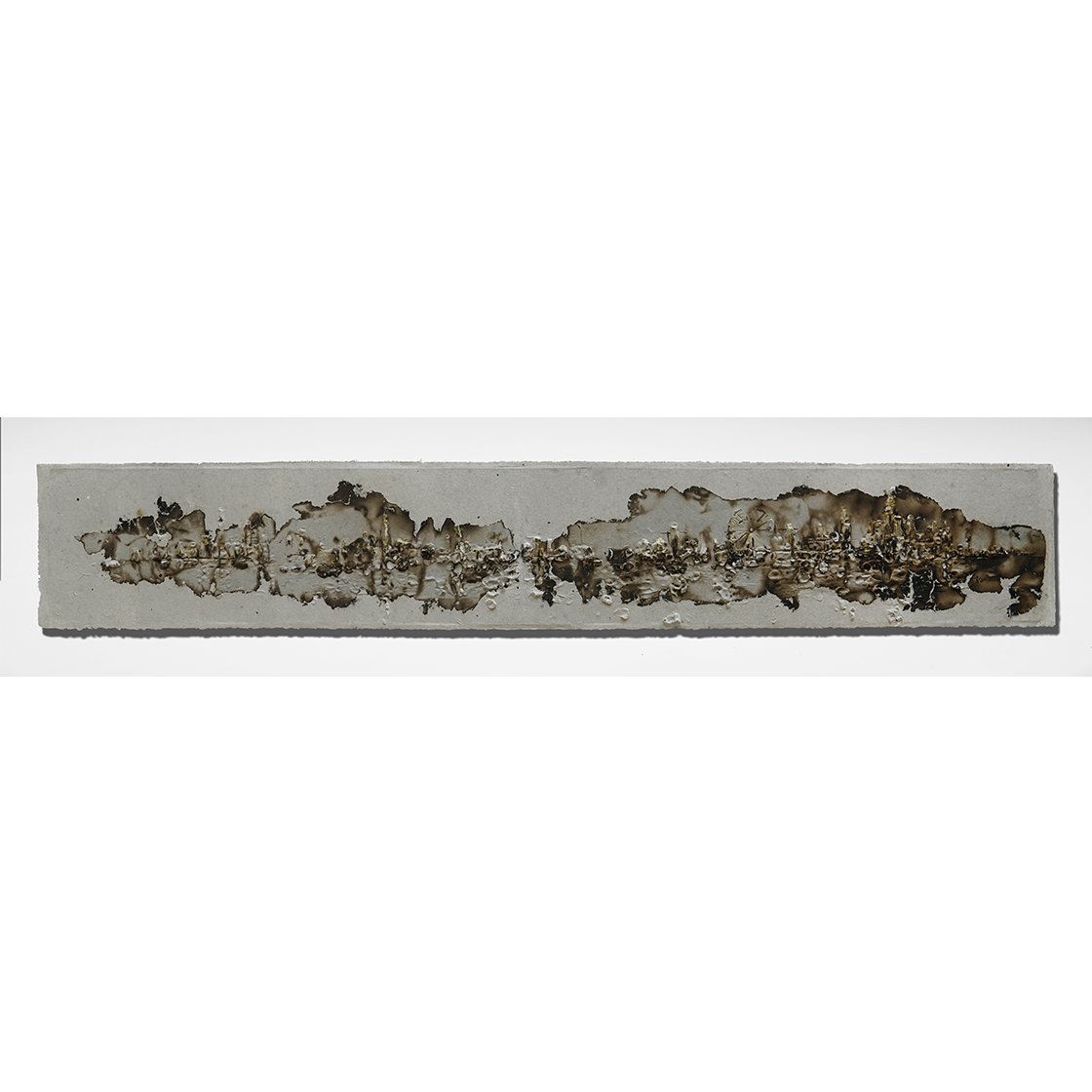
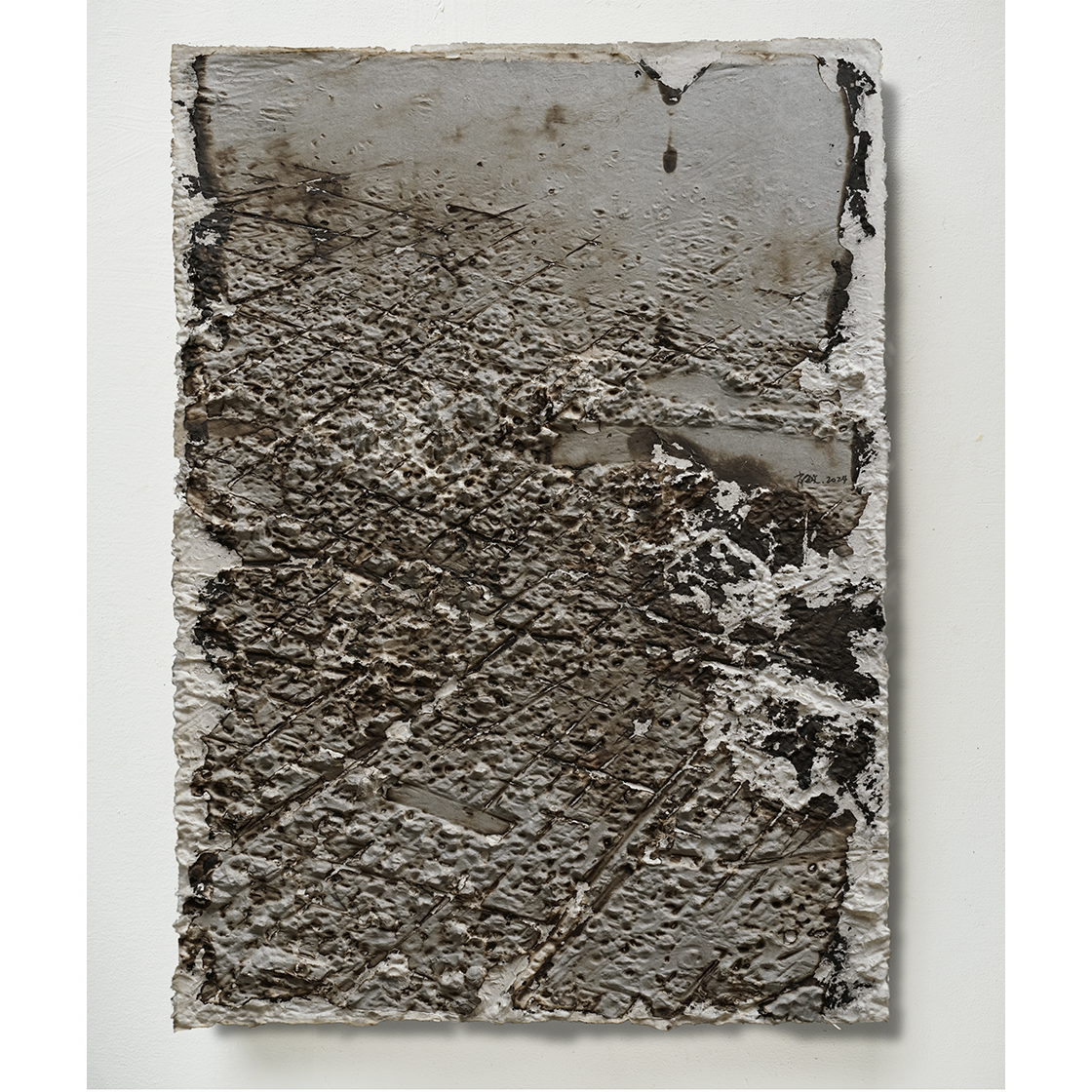
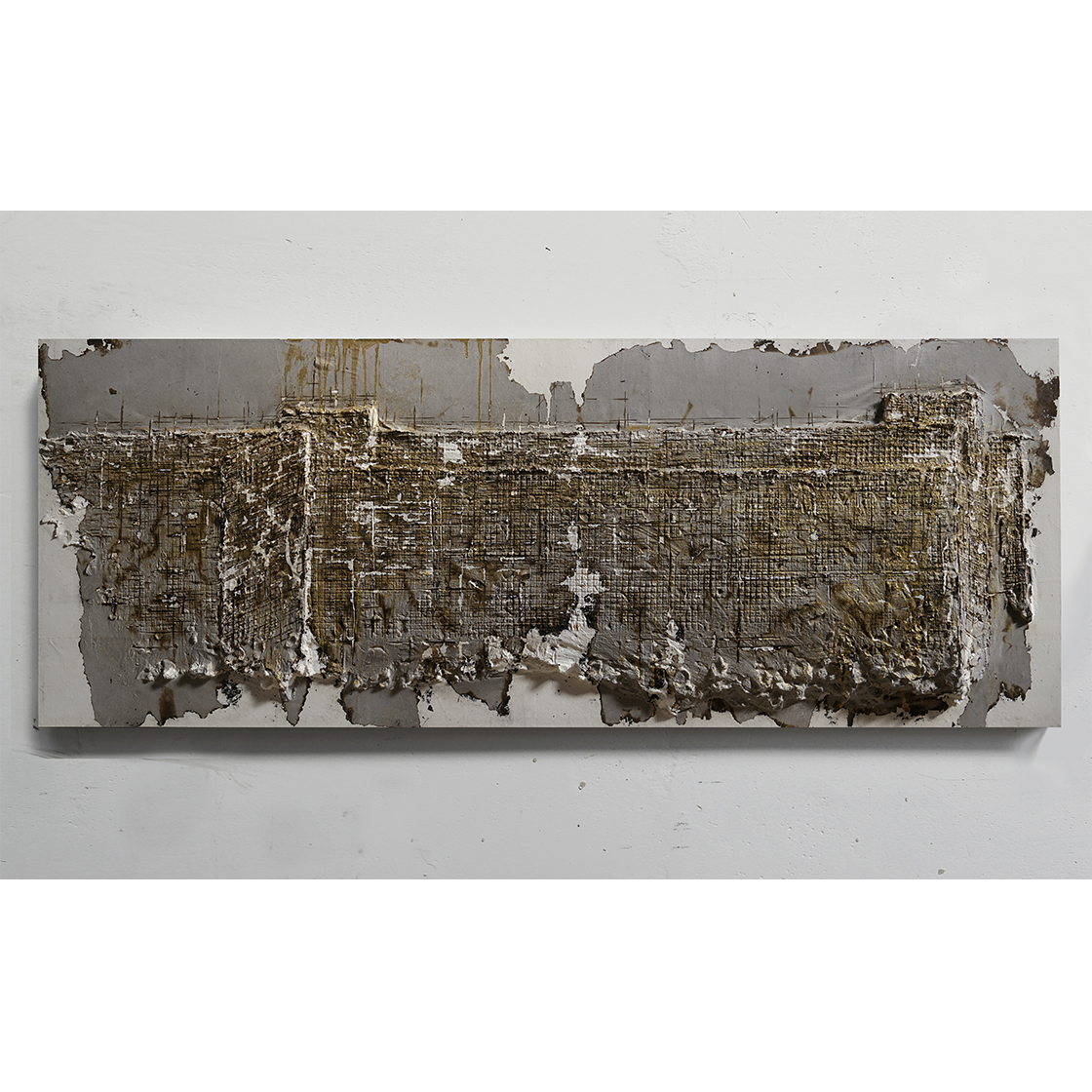
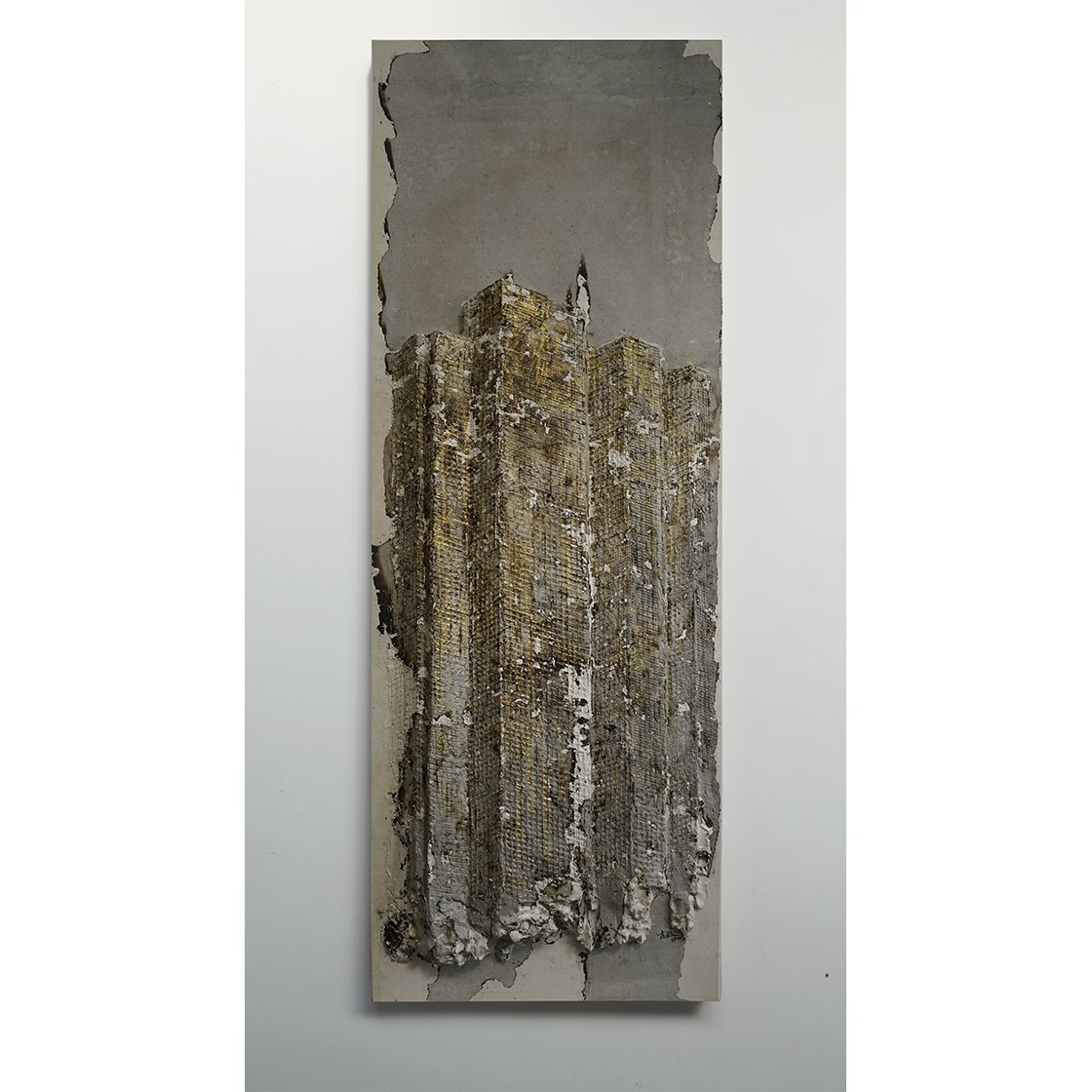
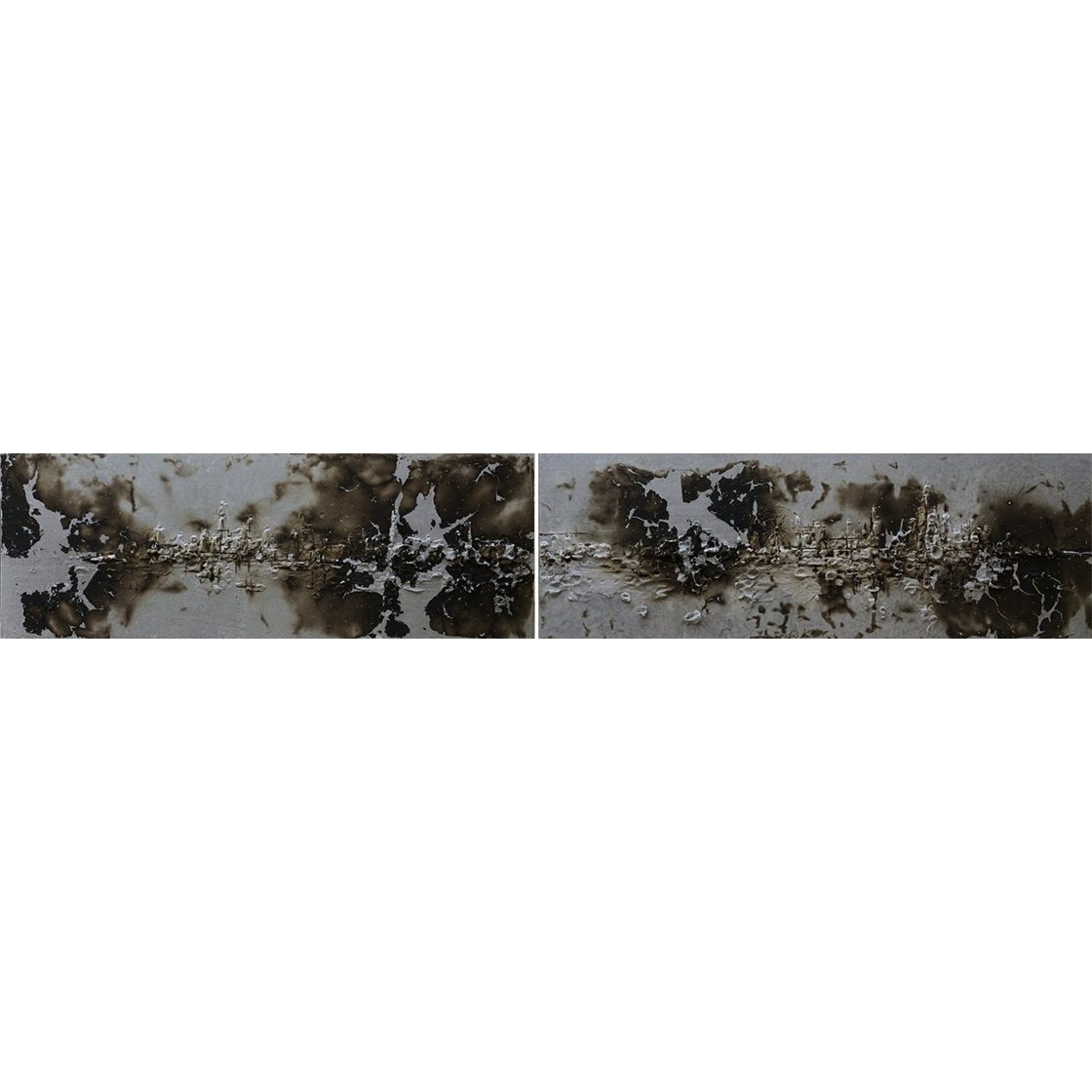
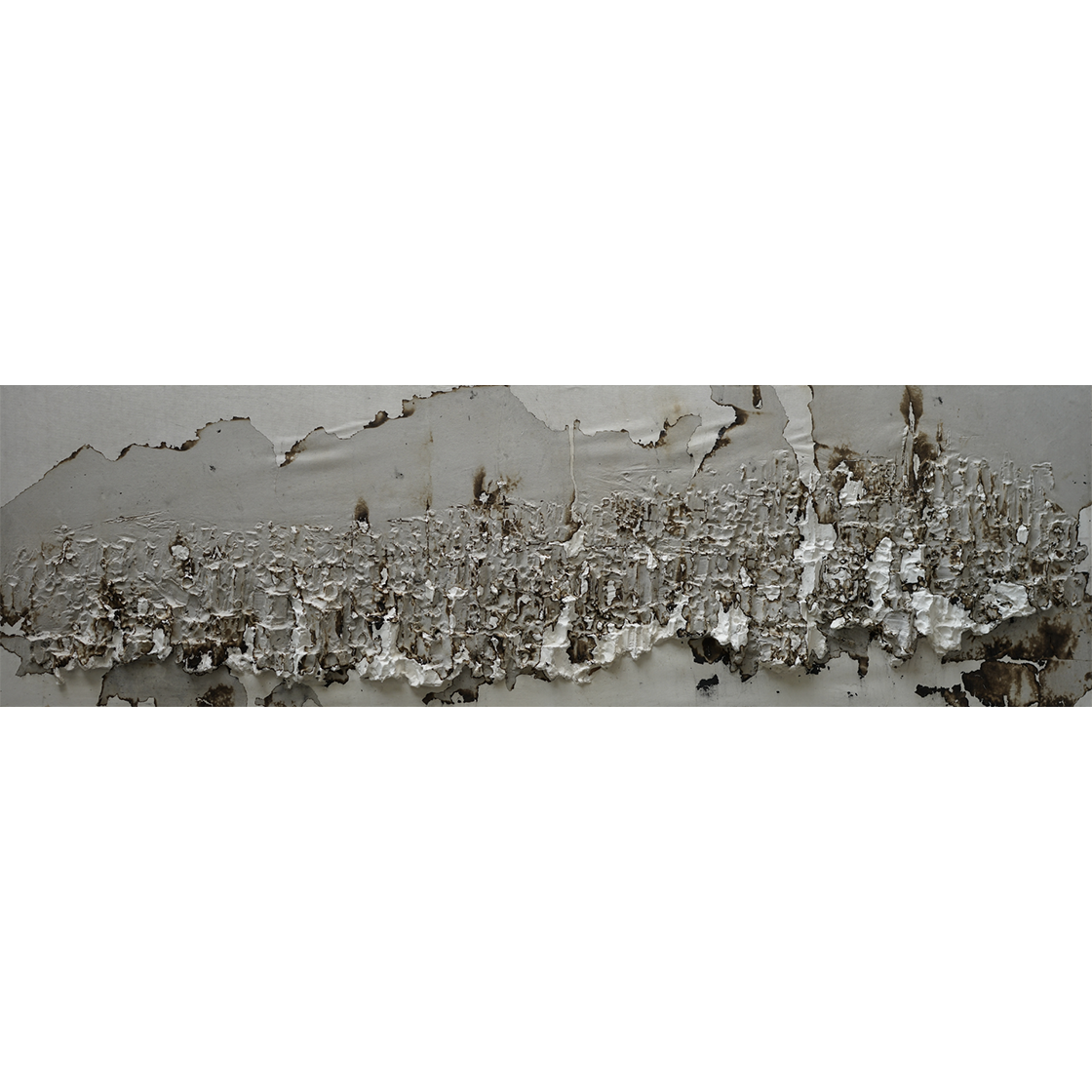
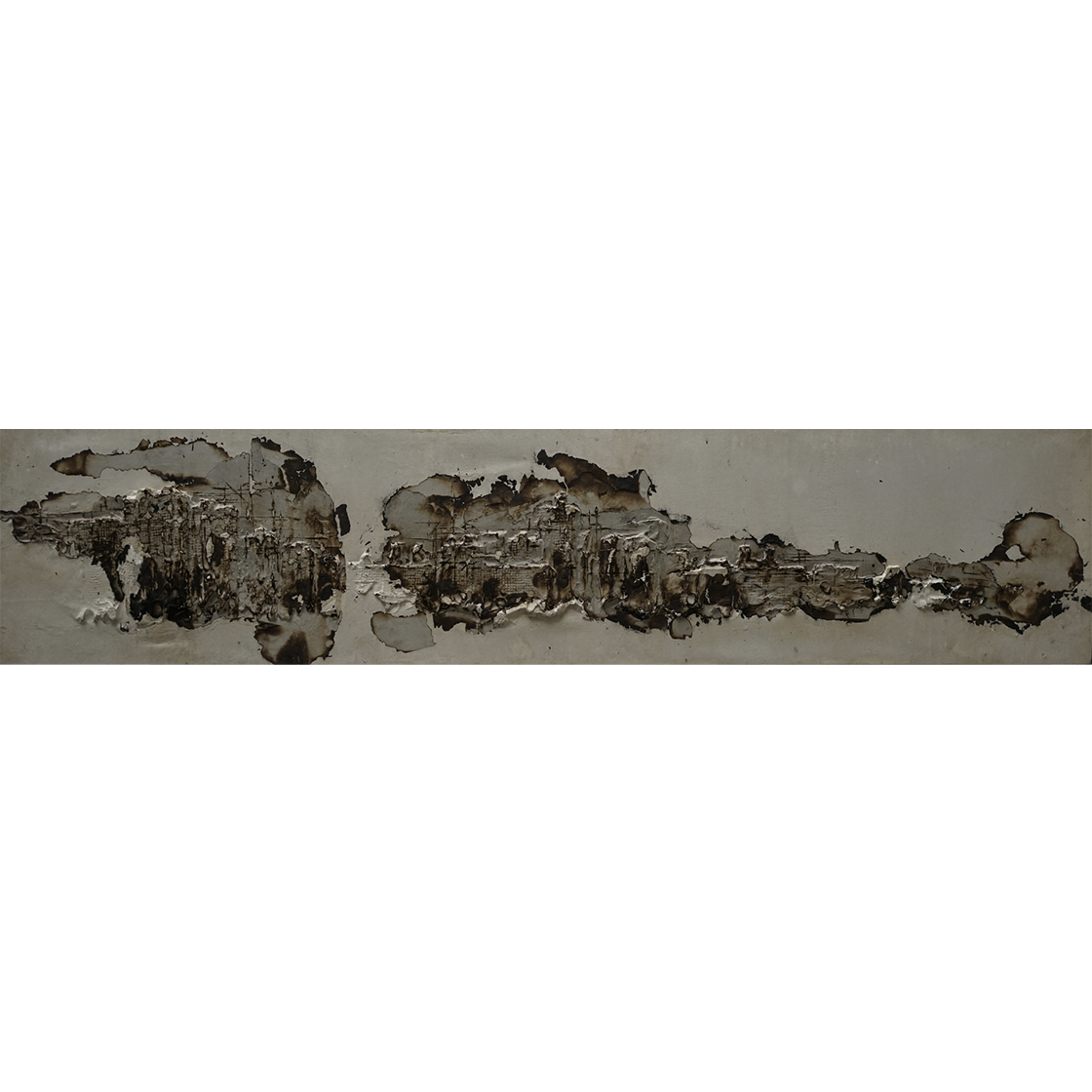
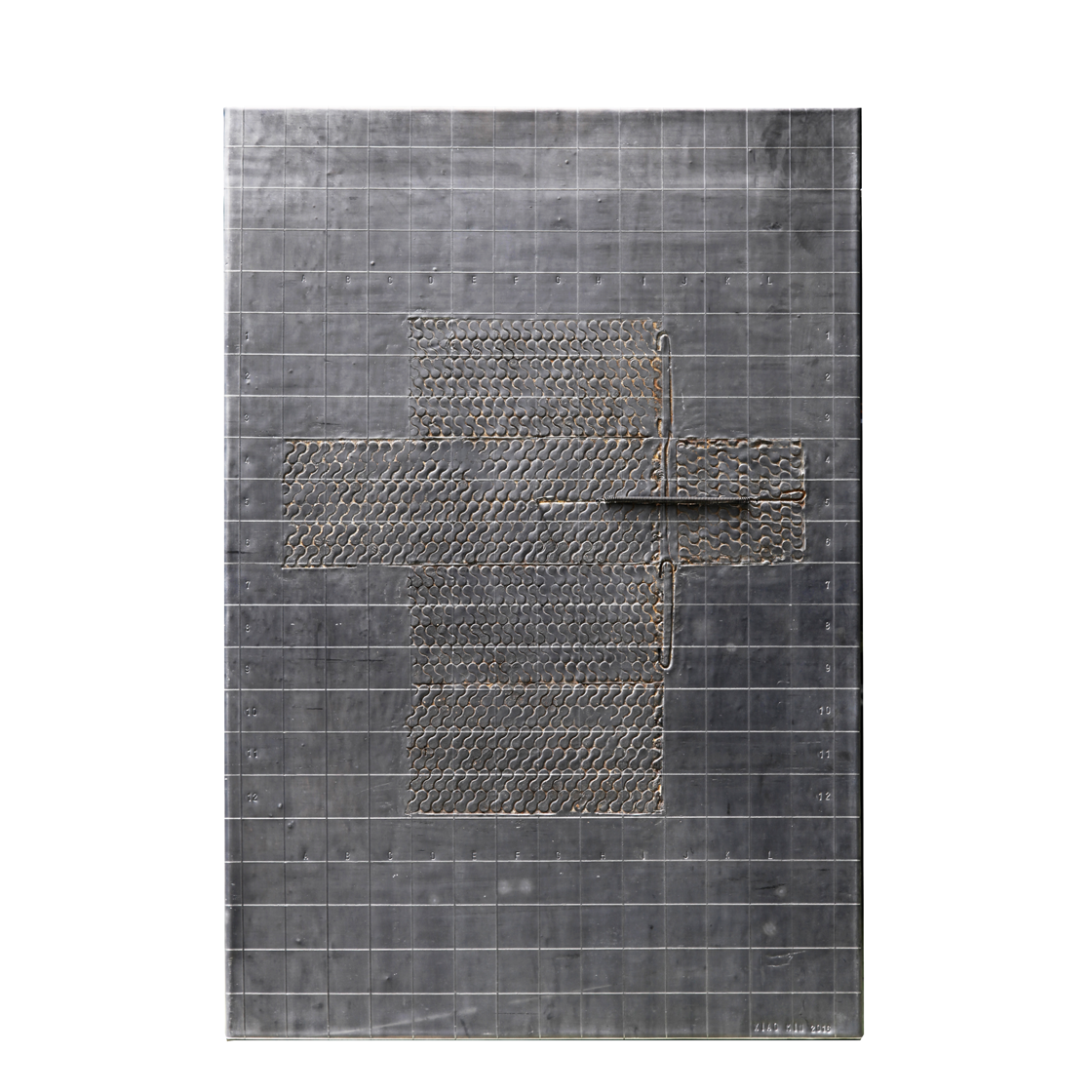
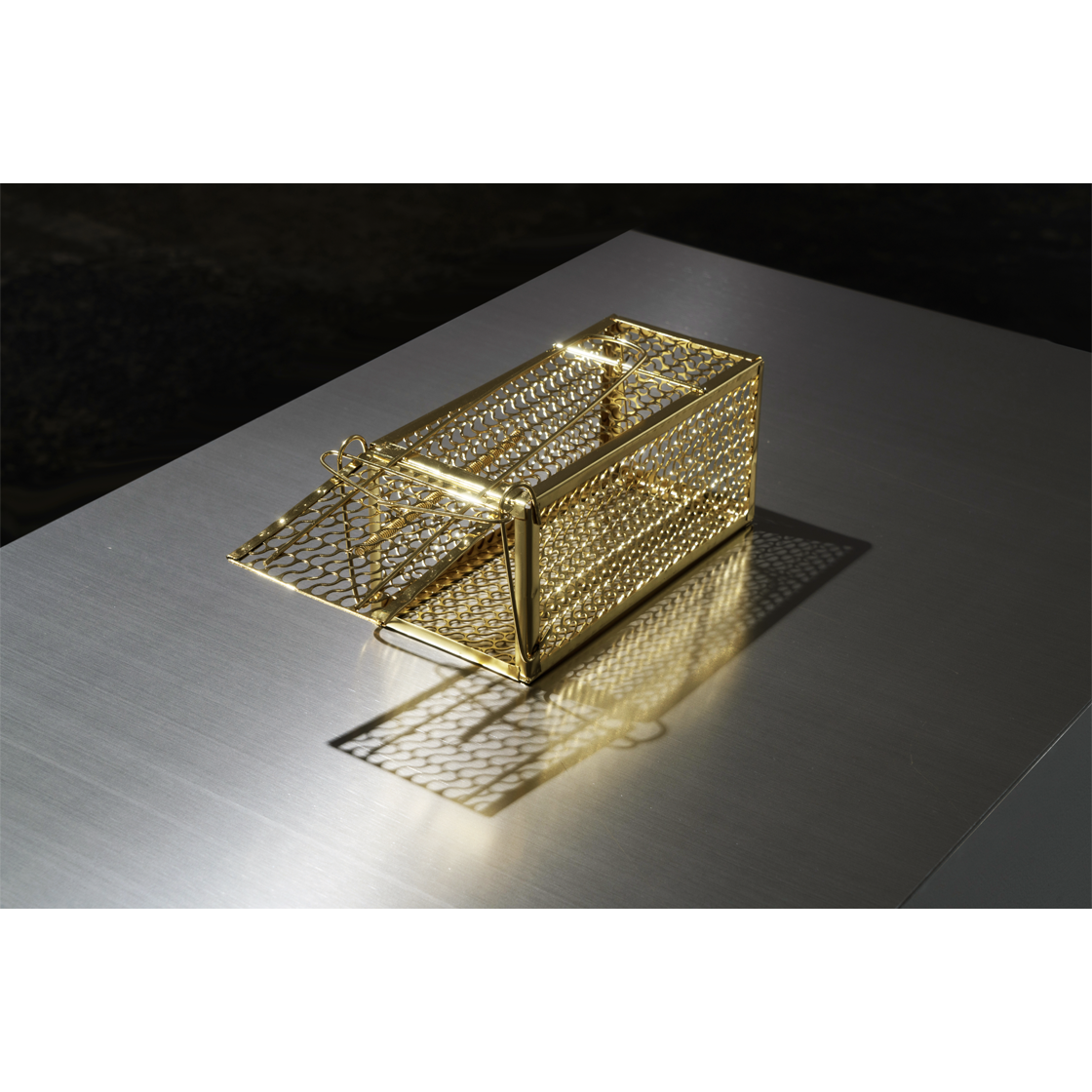
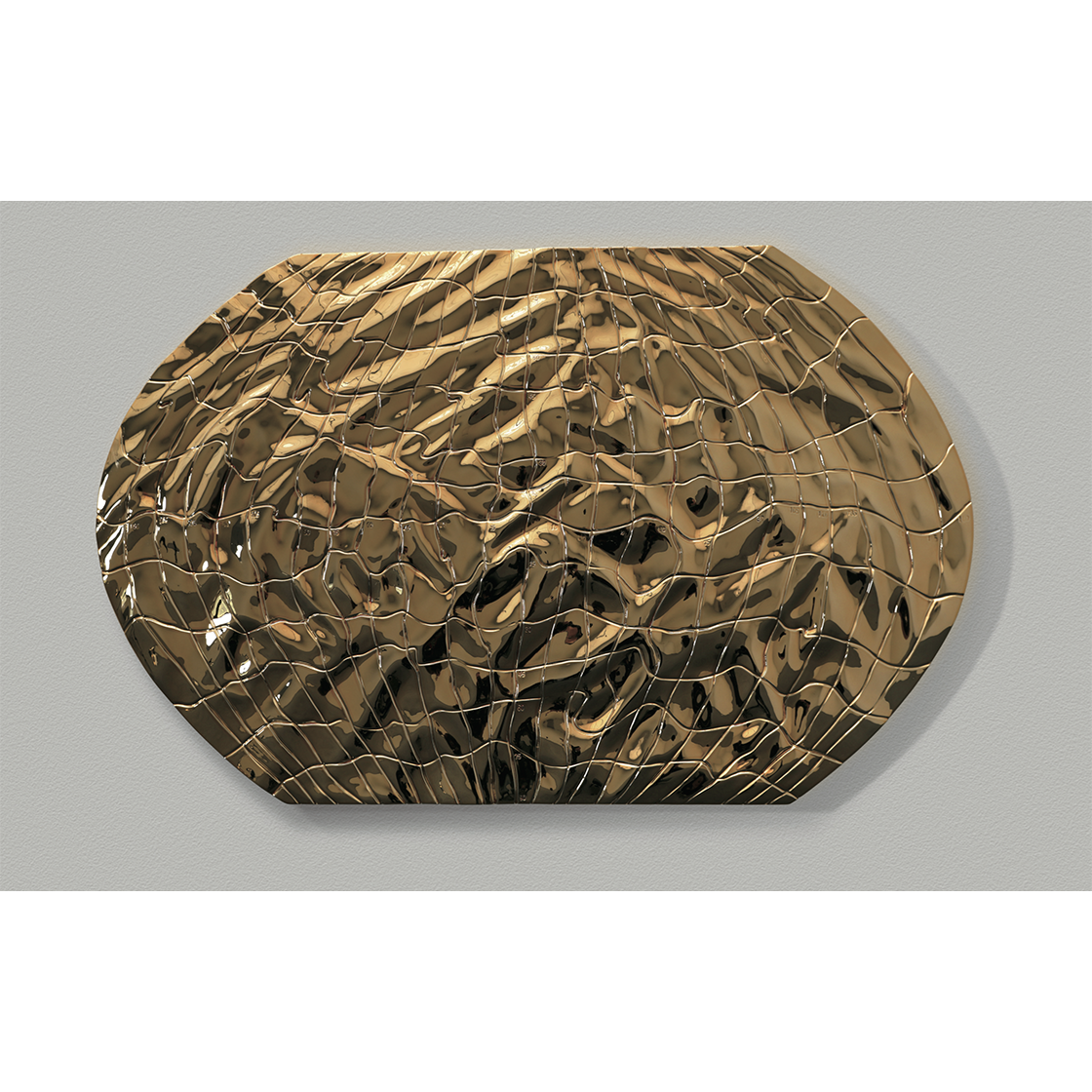
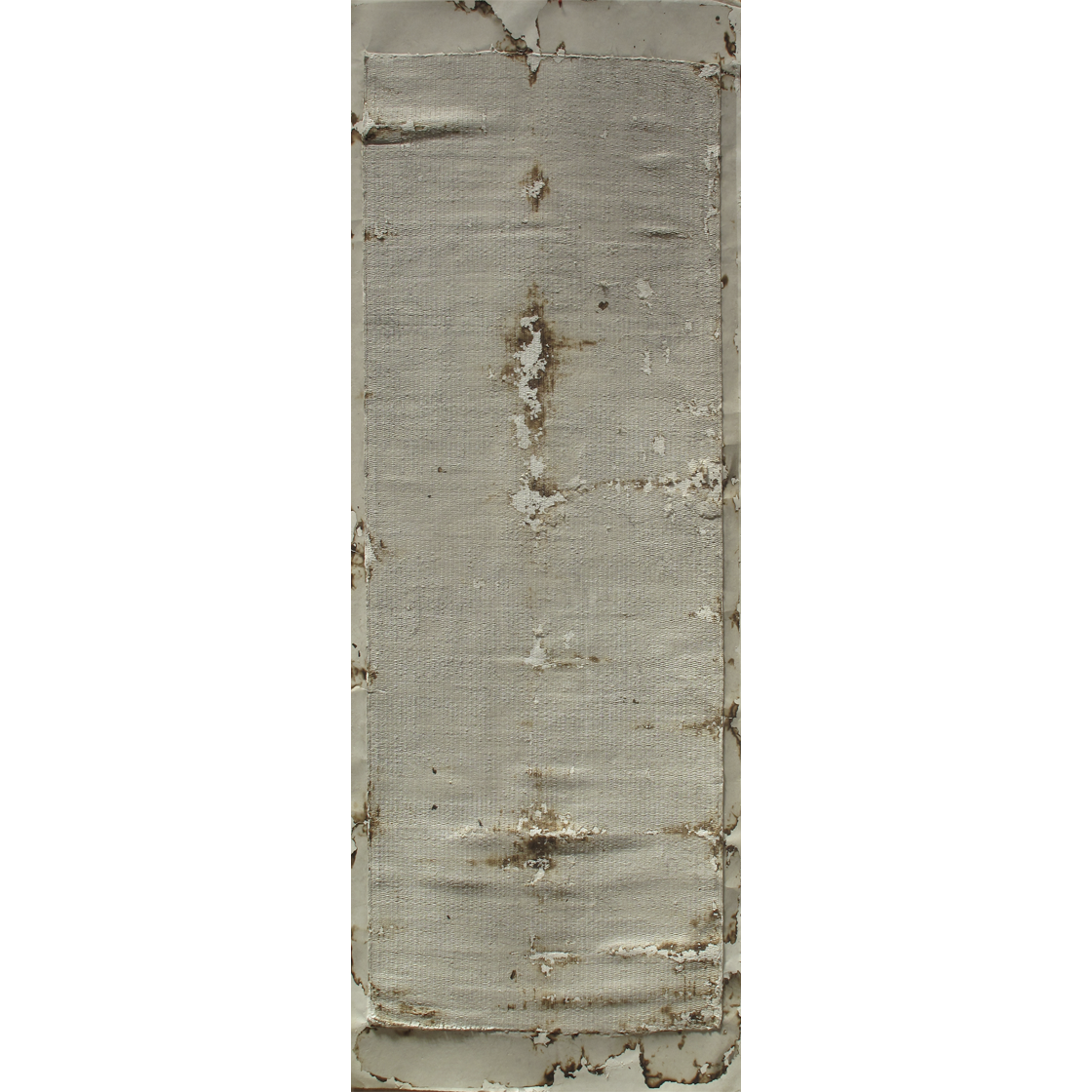
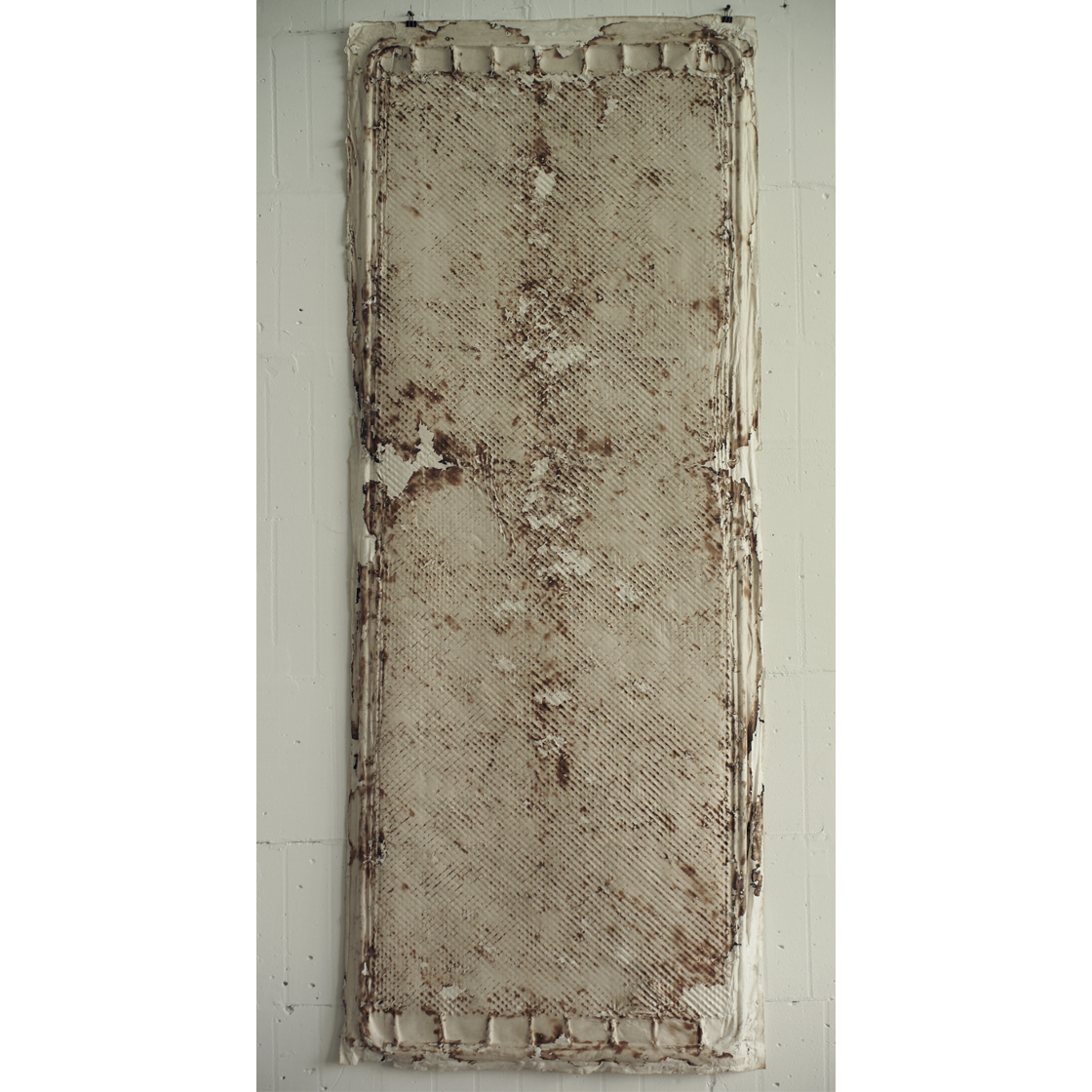
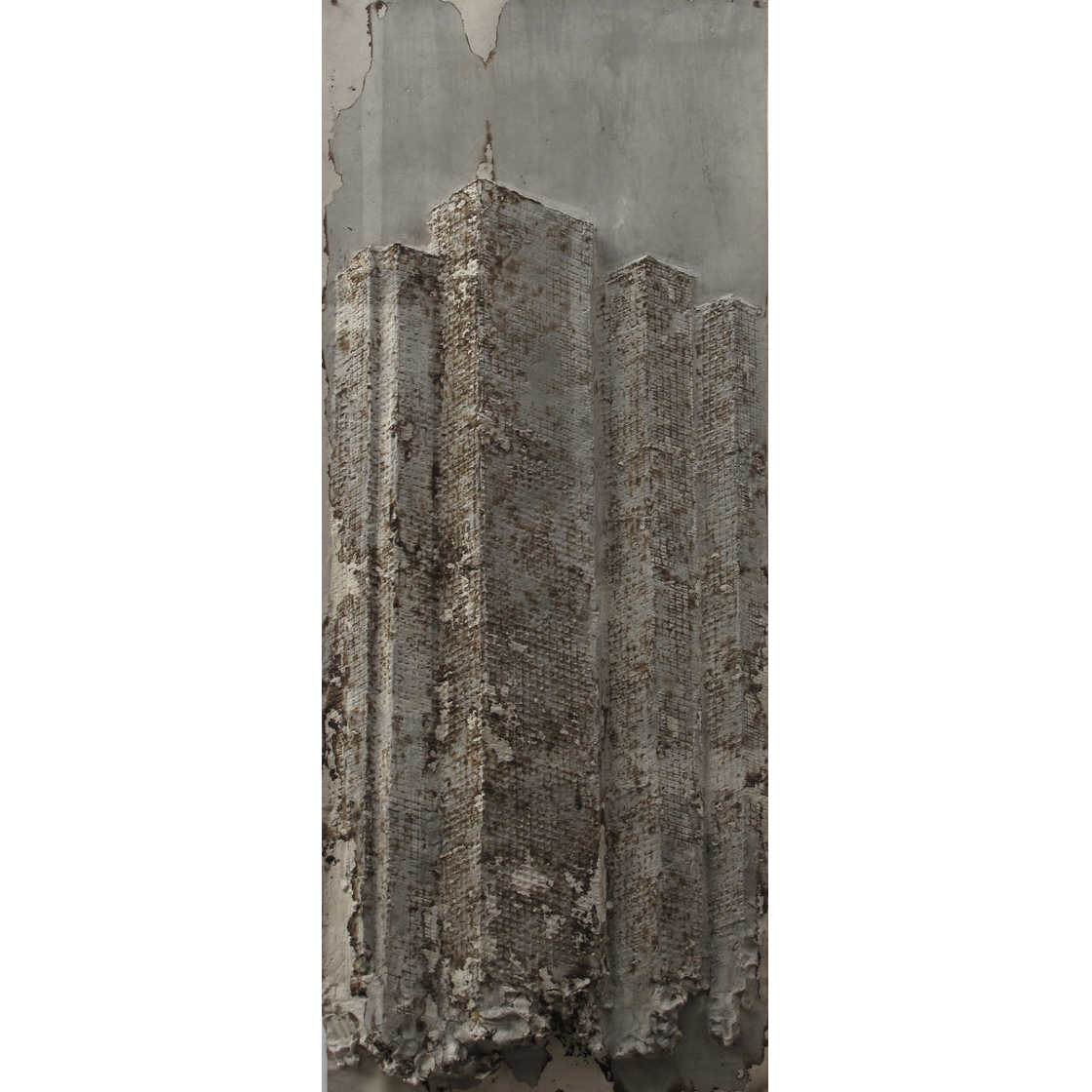
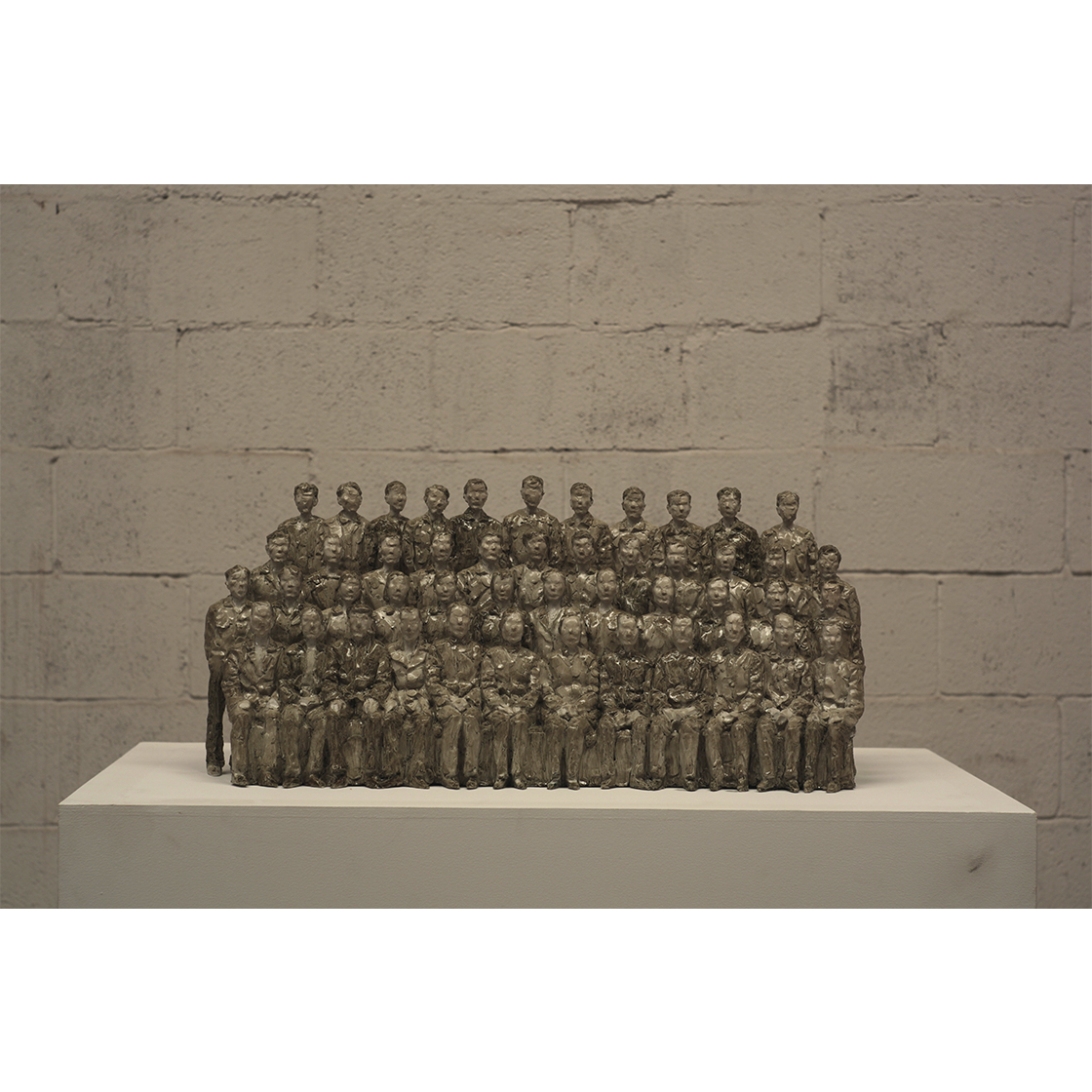
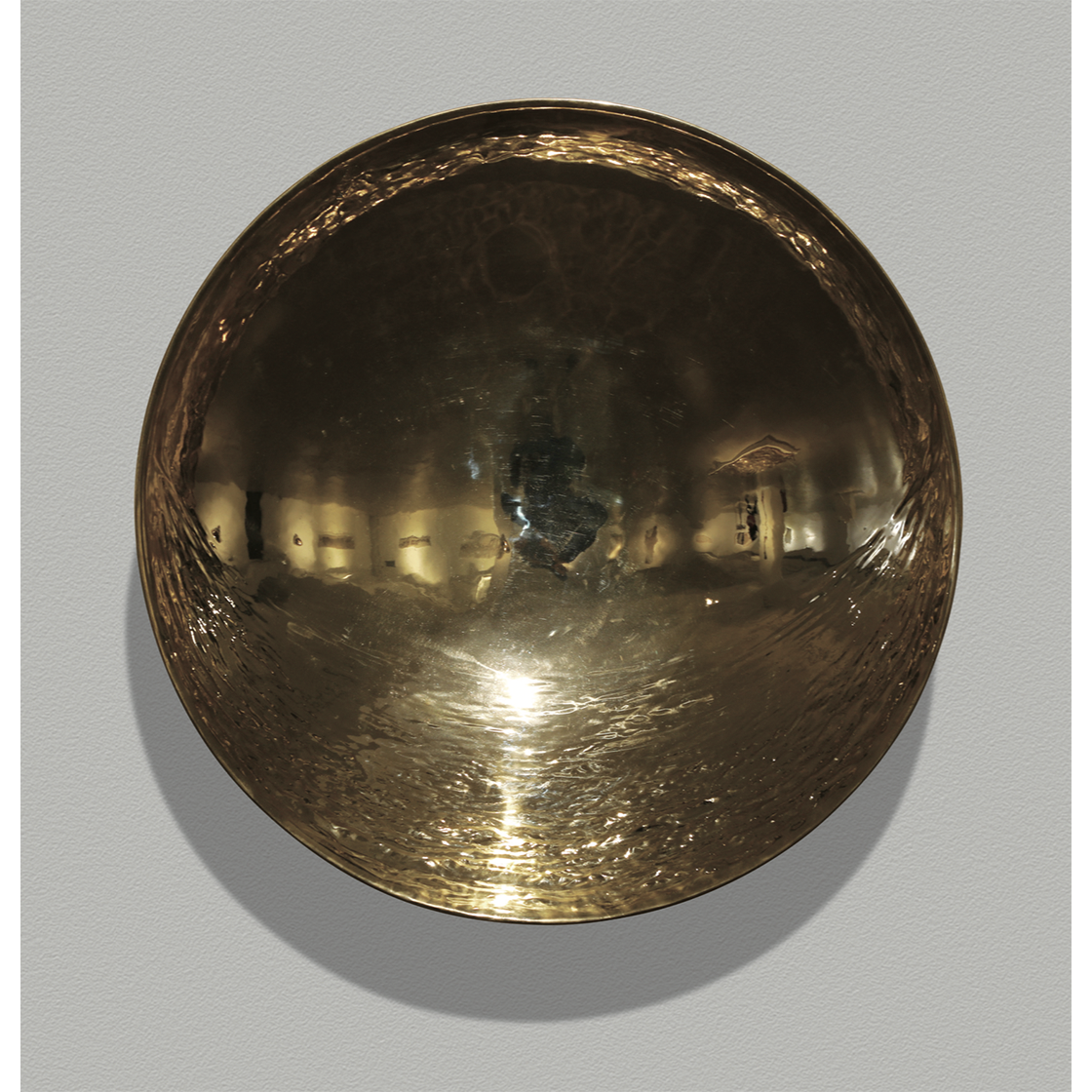
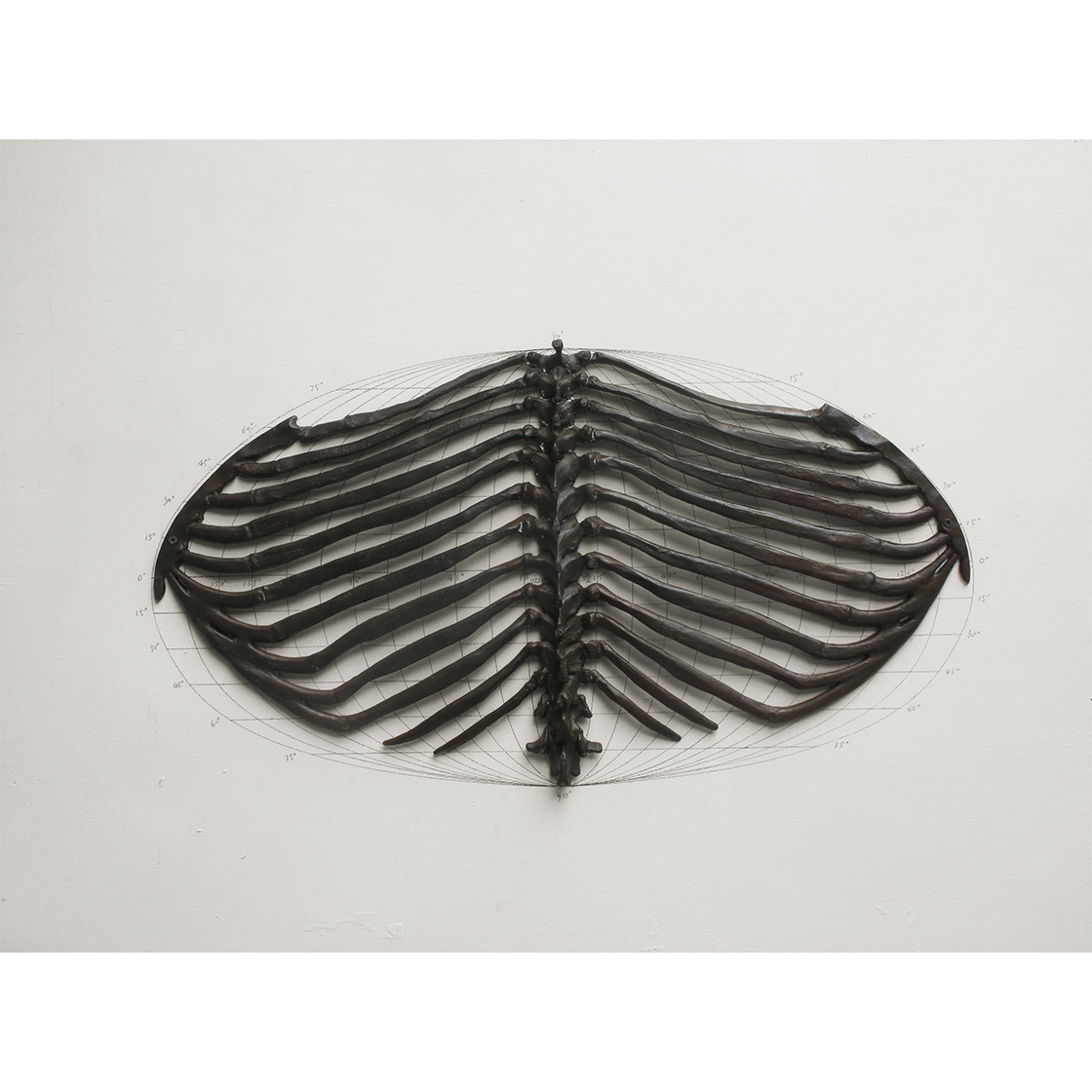
Xiao Min, born in Zhejiang in 1976, graduated from the Sculpture Department of the China Academy of Art with a bachelor's degree in 1998, and received a master's degree from the Shanghai Academy of Fine Arts, Shanghai University in 2001. He is currently a professor and the head of the Sculpture Department at the Shanghai Academy of Fine Arts, Shanghai University. As an Asian artist trained in Eastern art from a young age, his "Easternness" is reflected not only in his inheritance of traditional Chinese artistic resources but also in his Eastern mode of thinking. Xiao Min's works embody an uncompromising spirit and a courageous, dialectical power, truthfully responding to the individual's predicament within a modern, industrialized metropolis. He applies the traditional Chinese mounting and restoration techniques of painting to the shaping of three-dimensional structures, creating an urban landscape that echoes traditional Chinese painting iconography. Through the juxtaposition of mounting and burning, he presents a freehand Shan Shui (ink landscape) imbued with a certain sense of ruin and fragmentation. This seems to be a prophecy that the technological landscapes of our contemporary human era will eventually become relics in the passage of time.
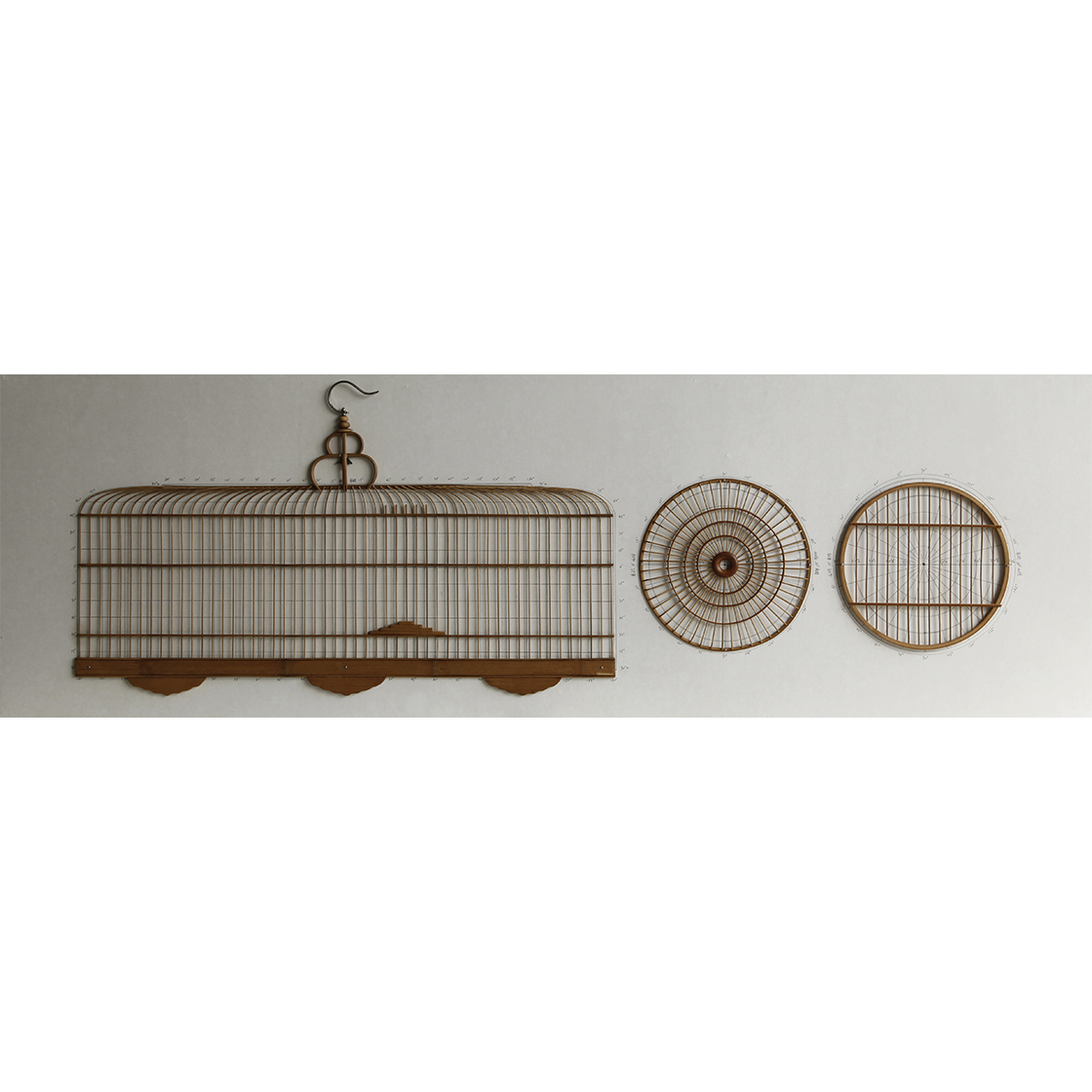
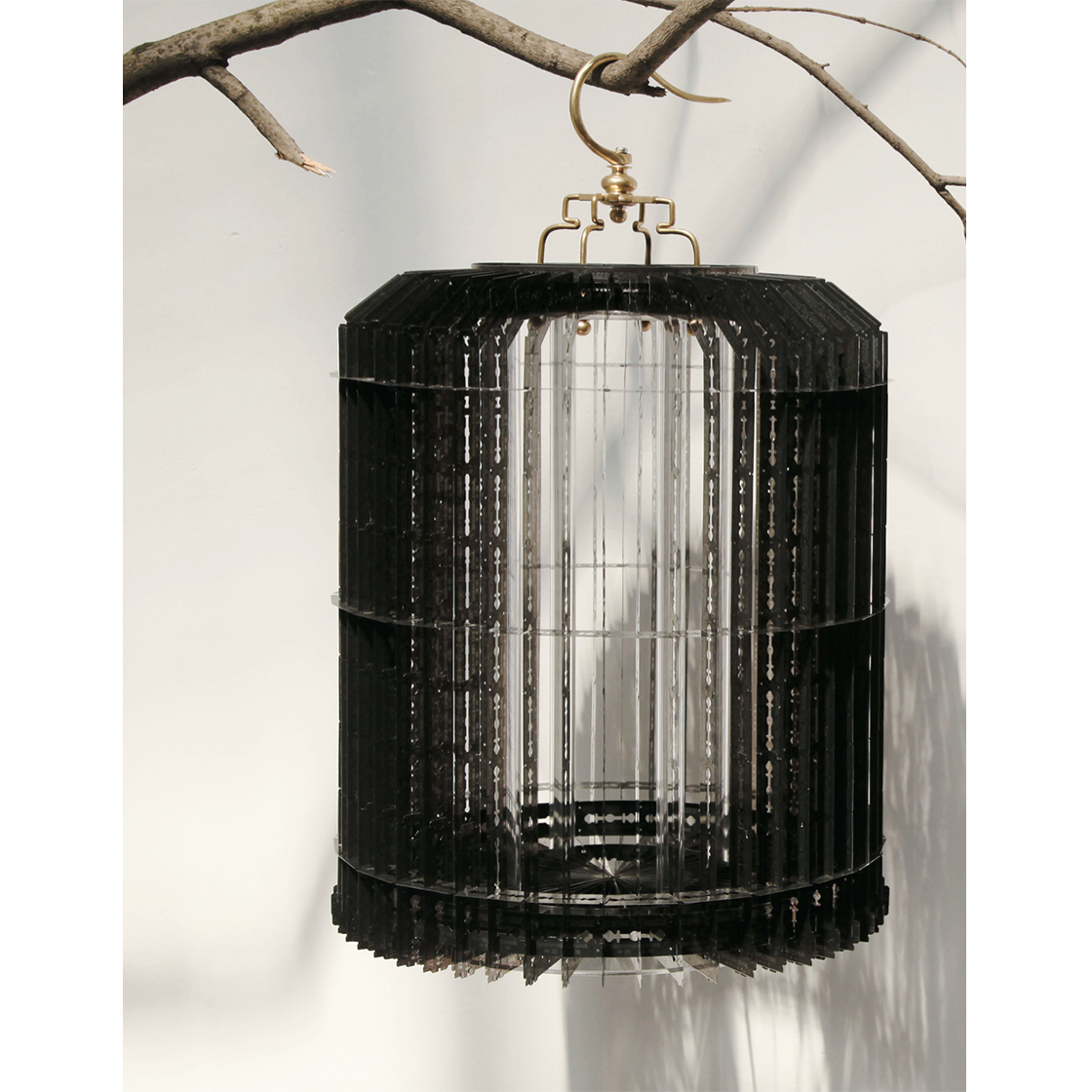
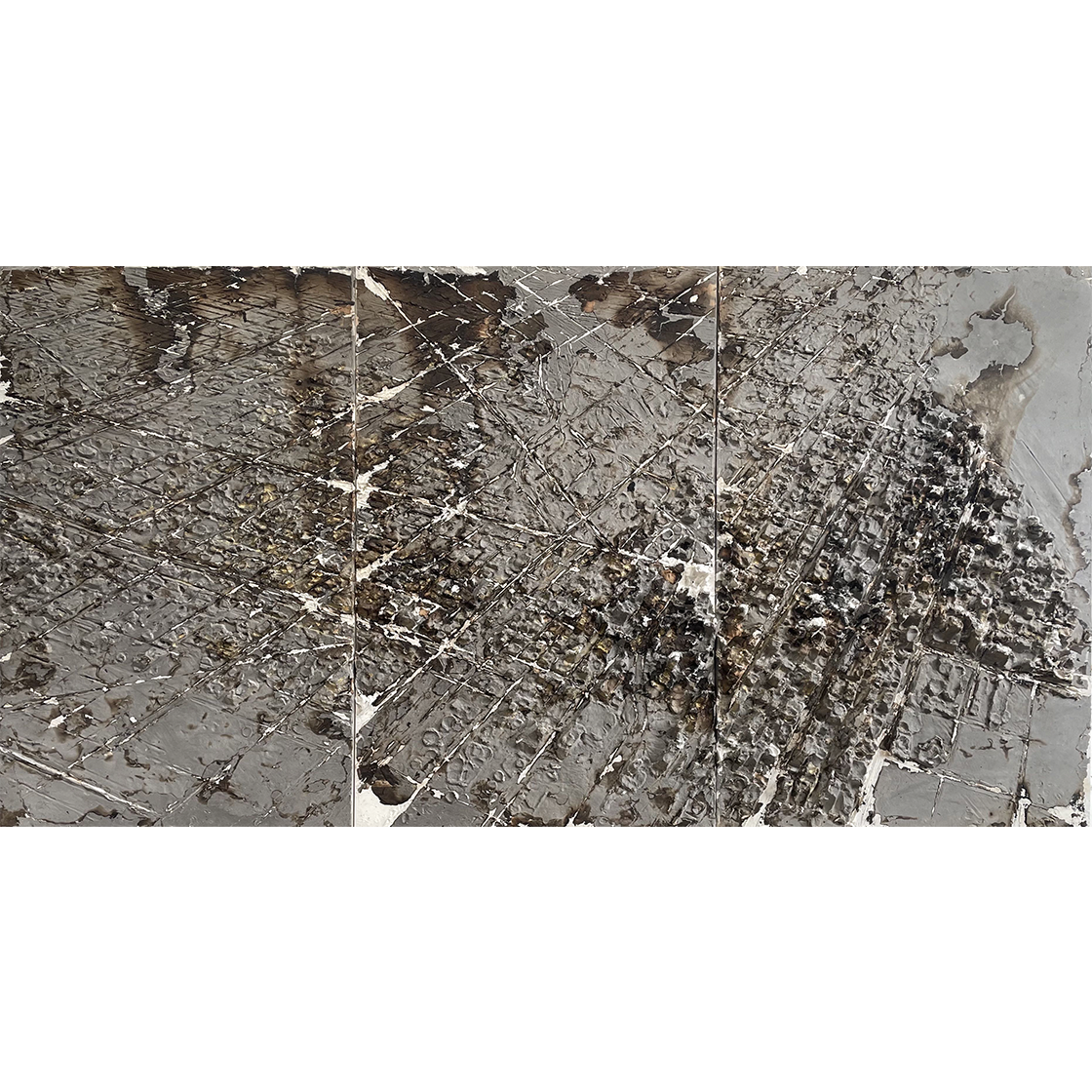
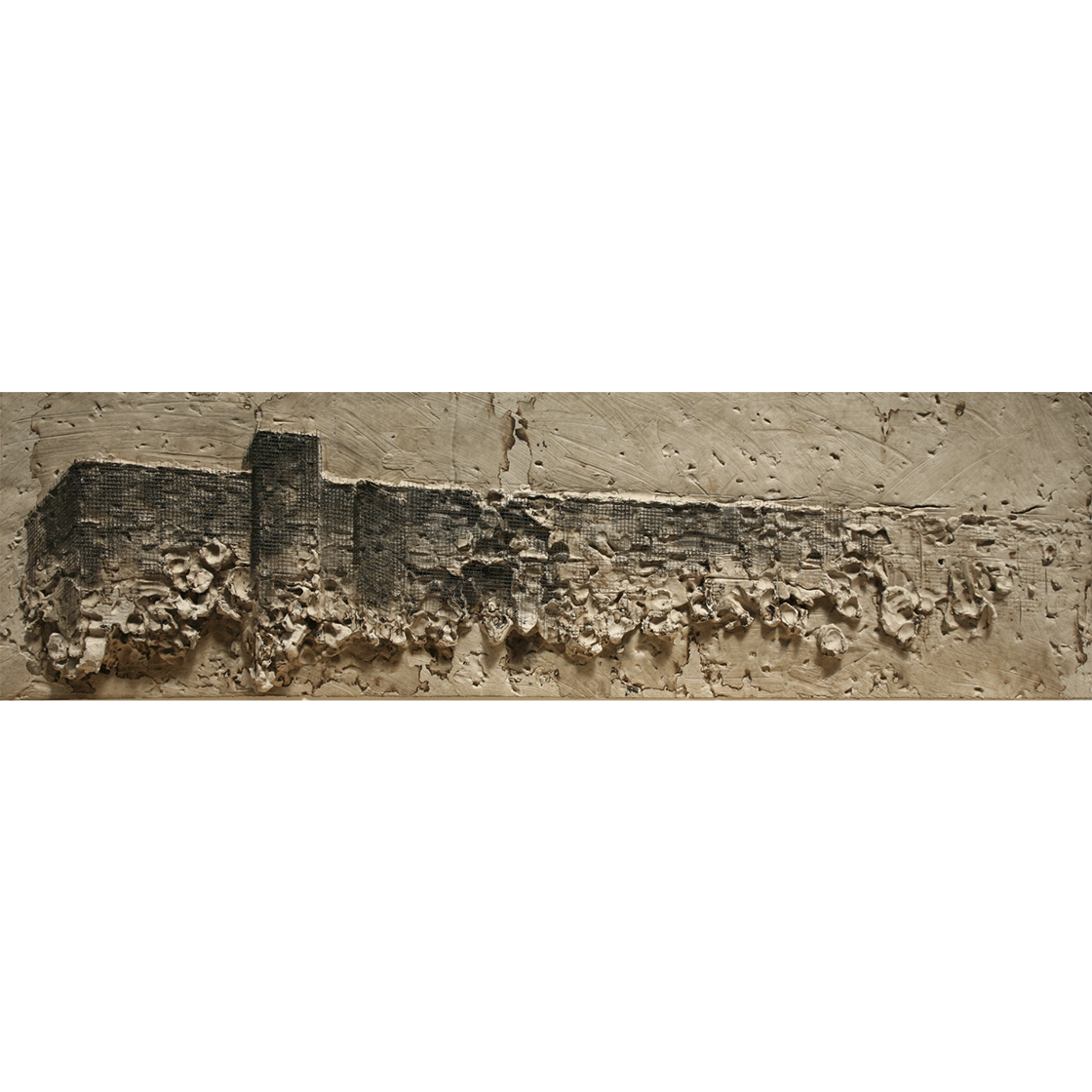
Xiao Min, born in Zhejiang in 1976, graduated from the Sculpture Department of the China Academy of Art with a bachelor's degree in 1998, and received a master's degree from the Shanghai Academy of Fine Arts, Shanghai University in 2001. He is currently a professor and the head of the Sculpture Department at the Shanghai Academy of Fine Arts, Shanghai University. As an Asian artist trained in Eastern art from a young age, his "Easternness" is reflected not only in his inheritance of traditional Chinese artistic resources but also in his Eastern mode of thinking. Xiao Min's works embody an uncompromising spirit and a courageous, dialectical power, truthfully responding to the individual's predicament within a modern, industrialized metropolis. He applies the traditional Chinese mounting and restoration techniques of painting to the shaping of three-dimensional structures, creating an urban landscape that echoes traditional Chinese painting iconography. Through the juxtaposition of mounting and burning, he presents a freehand Shan Shui (ink landscape) imbued with a certain sense of ruin and fragmentation. This seems to be a prophecy that the technological landscapes of our contemporary human era will eventually become relics in the passage of time.