Scan our QR code to stay updated with the recent news and upcoming events.
Scan our QR code to stay updated with the recent news and upcoming events.

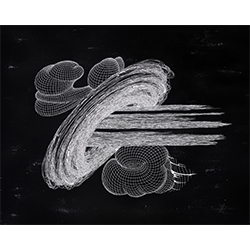
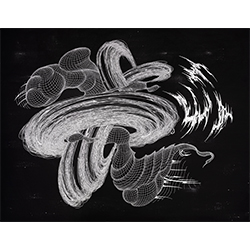
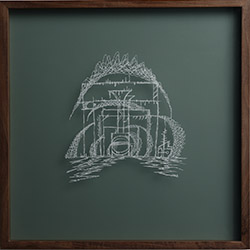
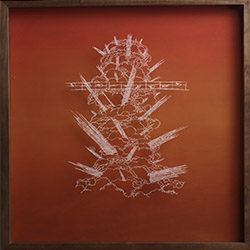
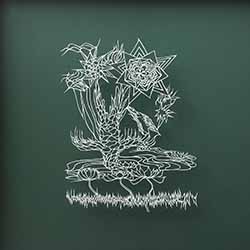
Tang Zhengwei’s works emerge from the long and esteemed legacy of Chinese paper-cutting, yet they decisively move beyond the boundaries of traditional craft. Rather than approaching paper as a decorative or purely two-dimensional medium, Tang treats it as a site of conceptual, physical, and spatial investigation. Through cutting, folding, layering, and sculptural expansion, he transforms paper into a dynamic material capable of articulating complex questions about ecology, society, power, and perception.
At the centre of Tang’s practice is an interest in invisible structures. His earlier works explored the global issue of carbon emissions and the hidden systems of carbon finance, revealing how ecological concerns are inseparable from economic and political networks. Paper itself becomes highly significant within this discourse. As a biodegradable and widely used material, it carries both cultural and environmental associations. In Tang’s hands, paper is no longer a neutral surface; it becomes a medium through which the relationships between nature, industry, and human responsibility can be examined.
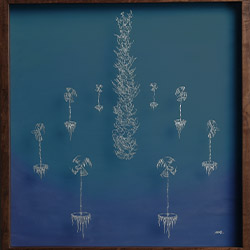
In more recent works, Tang extends this inquiry toward the concept of “force.” For the artist, force is both a scientific and social phenomenon: it exists in the physical world as gravity, magnetism, attraction, and resistance, but it also operates within human relationships, urban development, financial systems, and psychological experience. These forces cannot be directly seen, yet they shape the world continuously. Tang’s works attempt to give visual and material form to these hidden dynamics, much like iron filings reveal the otherwise invisible lines of a magnetic field.
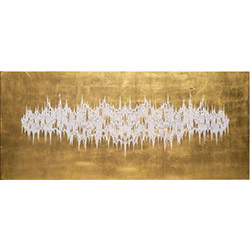
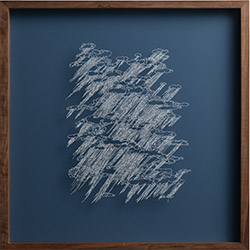
His paper-cutting practice is therefore deeply connected to the body. Each incision records the encounter between blade and paper, pressure and resistance, gesture and structure. Tang has described his approach as a form of “painting-sculpture,” a term that captures the hybrid nature of his works. They retain the delicacy and linear precision of paper-cutting, while also breaking away from flatness to occupy space with sculptural presence.
Color also plays an increasingly important role in Tang Zhengwei’s work. Rather than functioning as ornament, it creates specific atmospheres and conceptual fields: cosmic depth, urban tension, financial seduction, or psychological unease. At the same time, his frequent disruption of symmetry challenges one of the most recognizable conventions of traditional paper-cutting. Through asymmetry, movement, and spatial instability, Tang gives his works a sense of tension and transformation.
Tang Zhengwei’s works ultimately propose paper-cutting as a contemporary language of perception. They reveal how a traditional medium can be reactivated to address the urgencies of the present, making visible the forces—ecological, social, cosmic, and internal—that structure human experience.
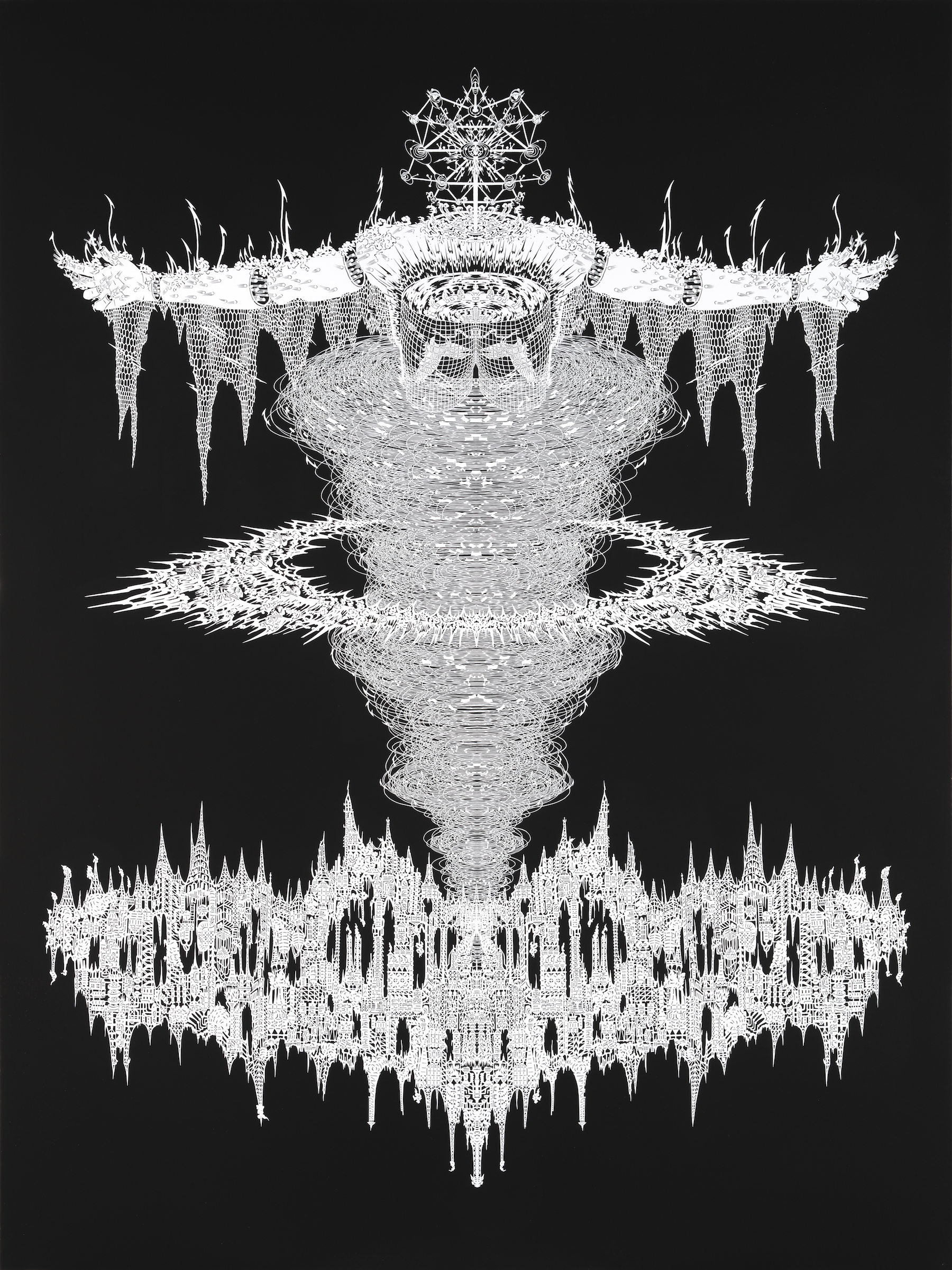
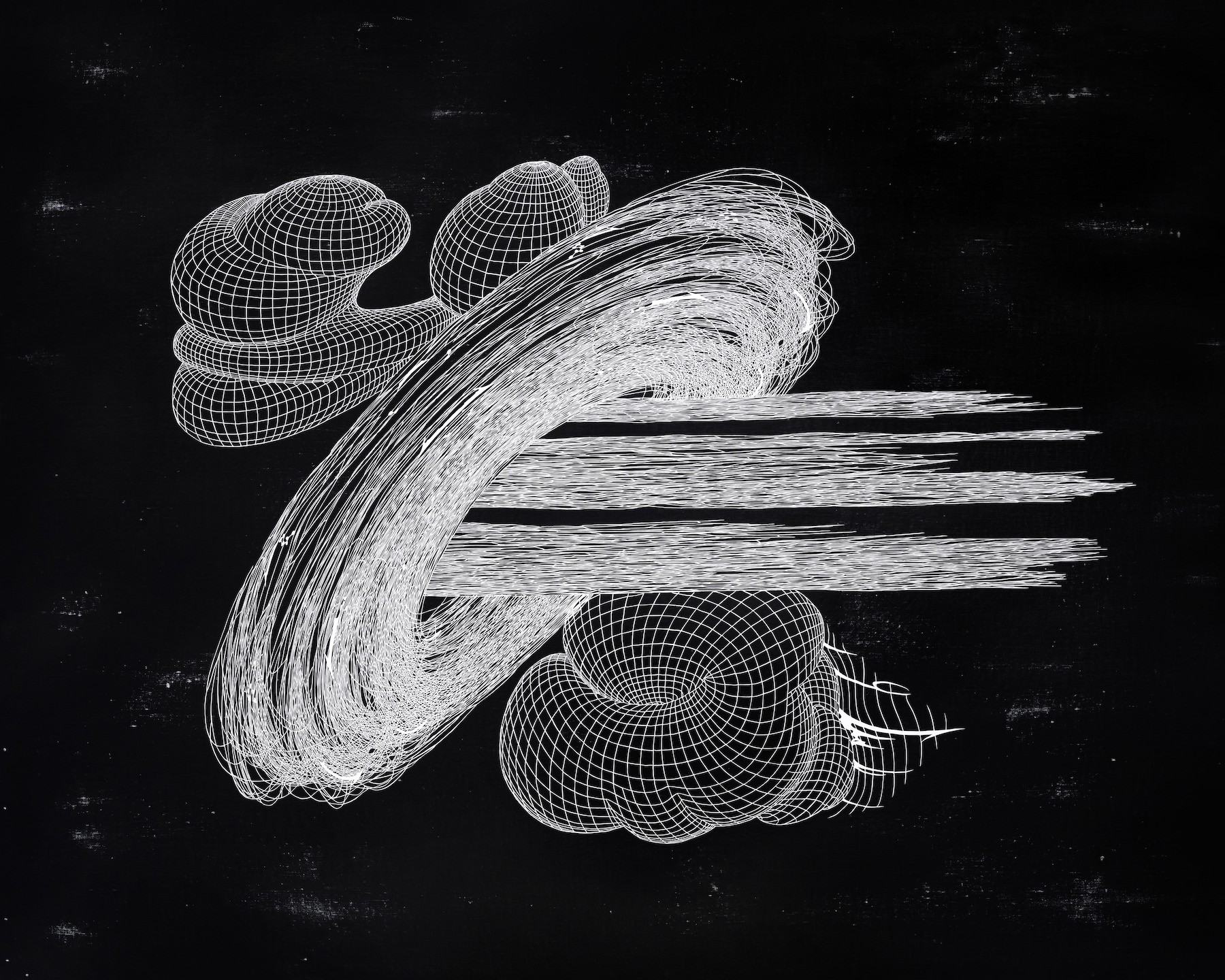
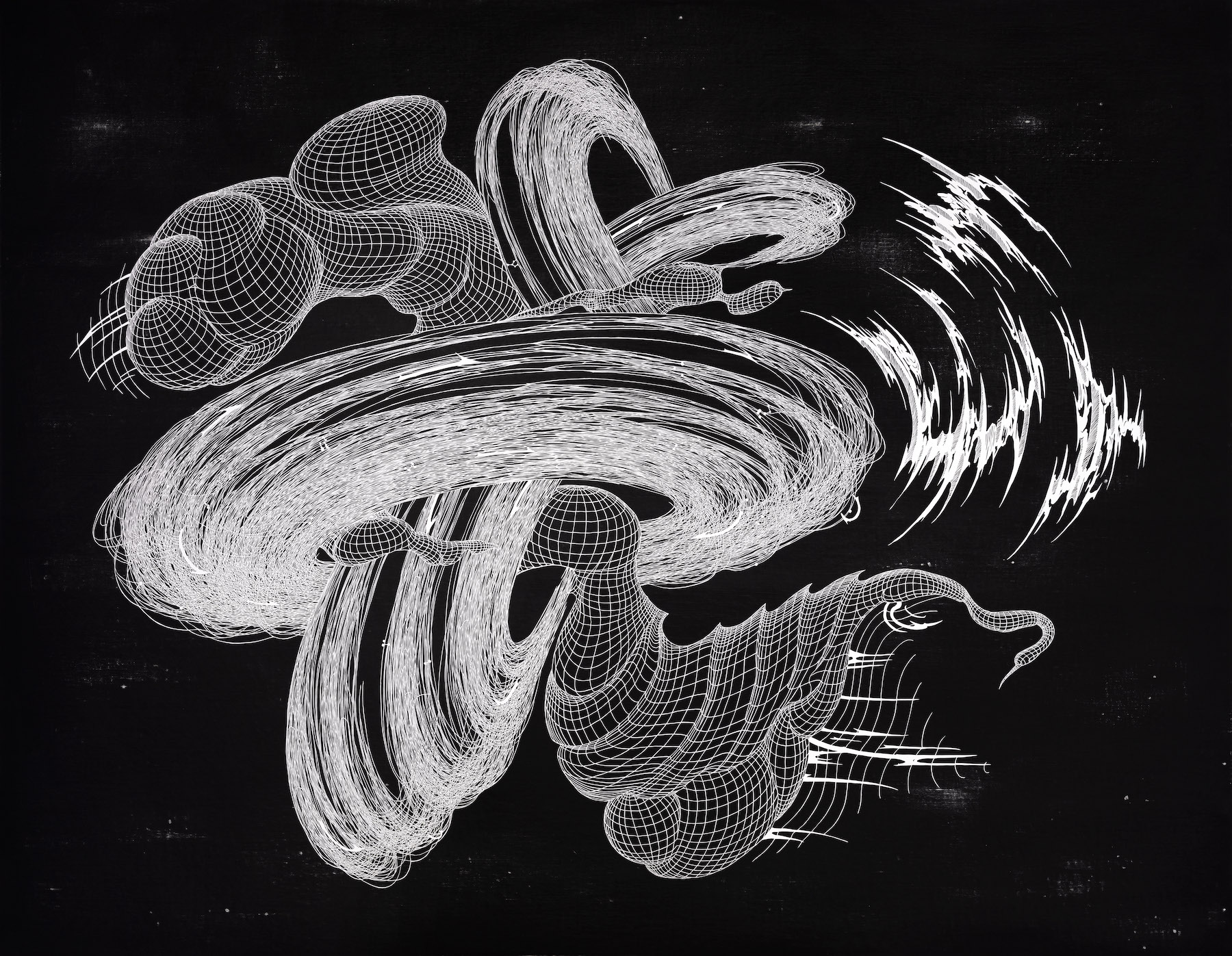
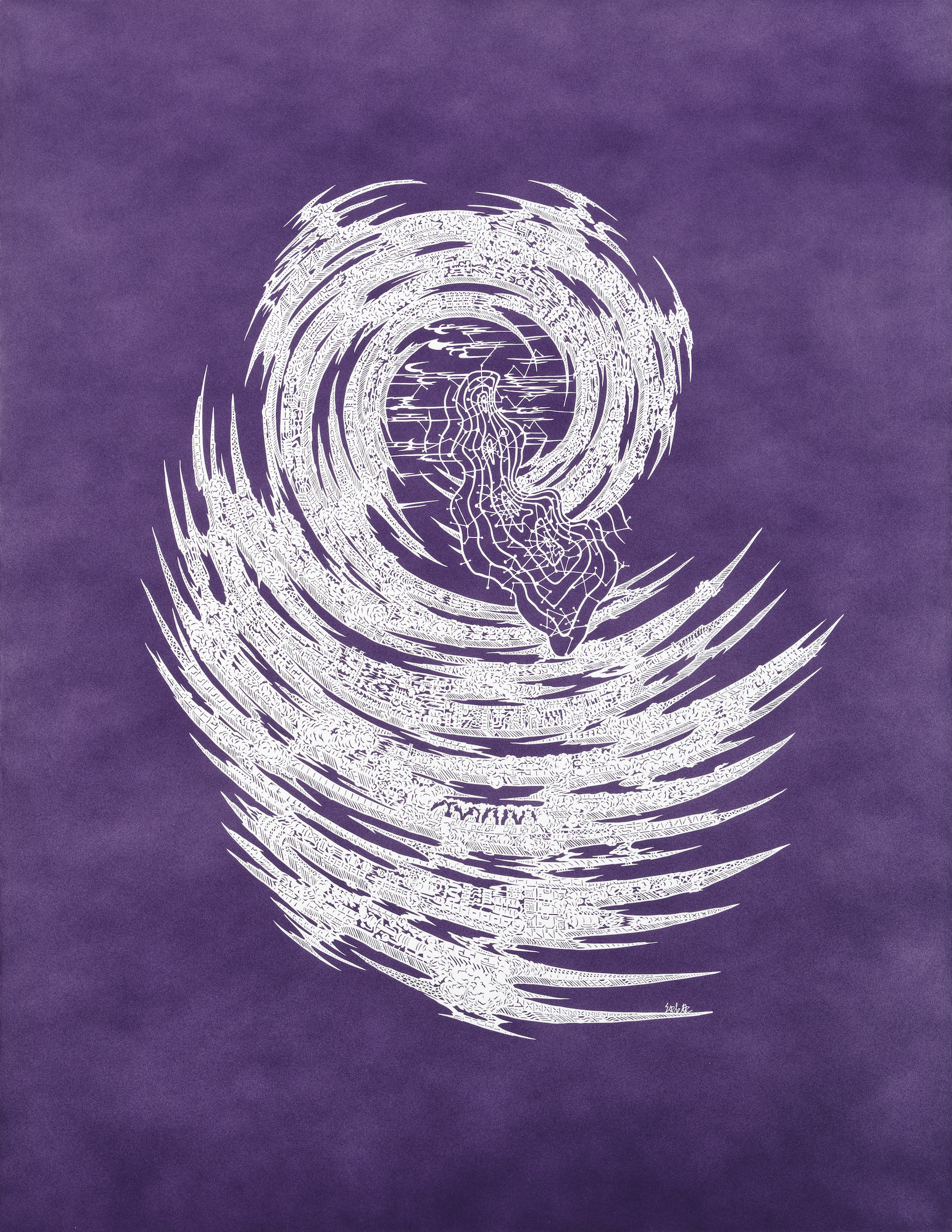
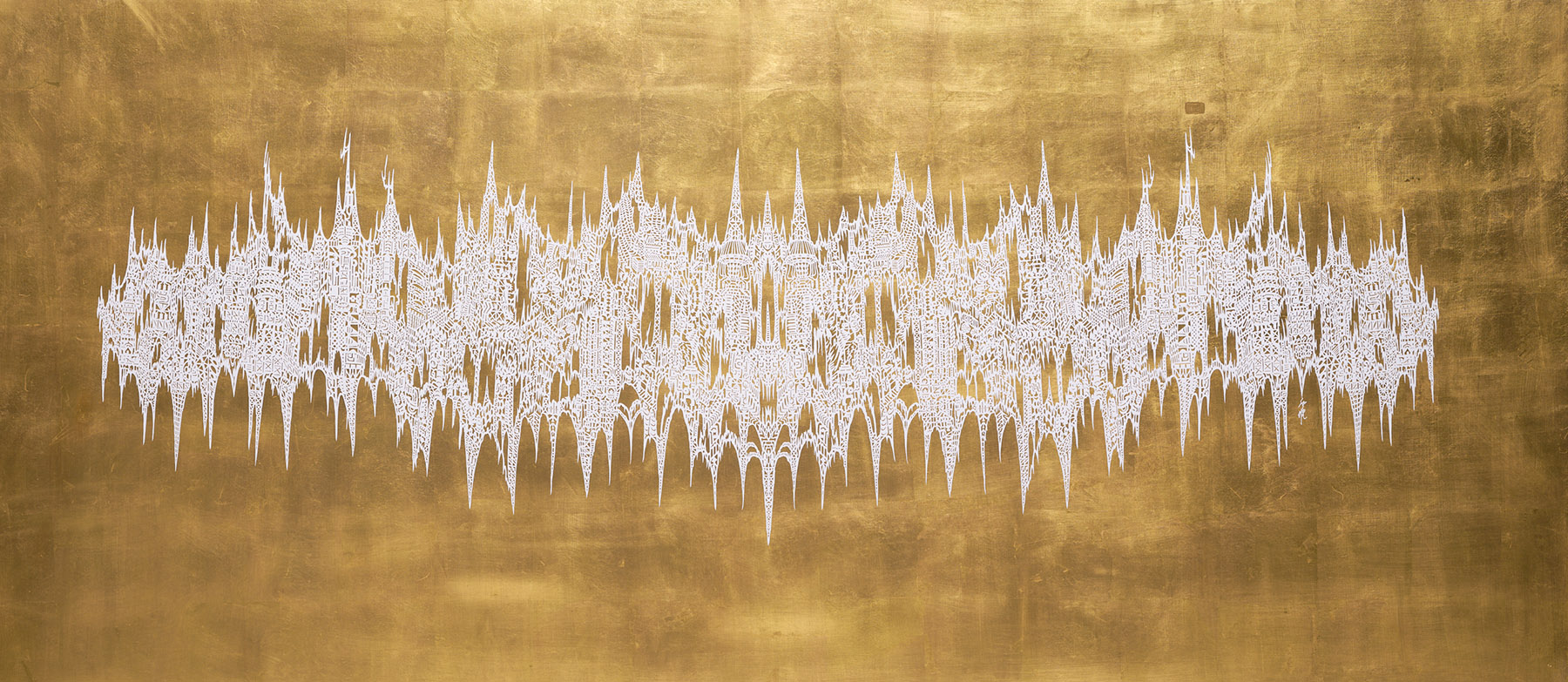
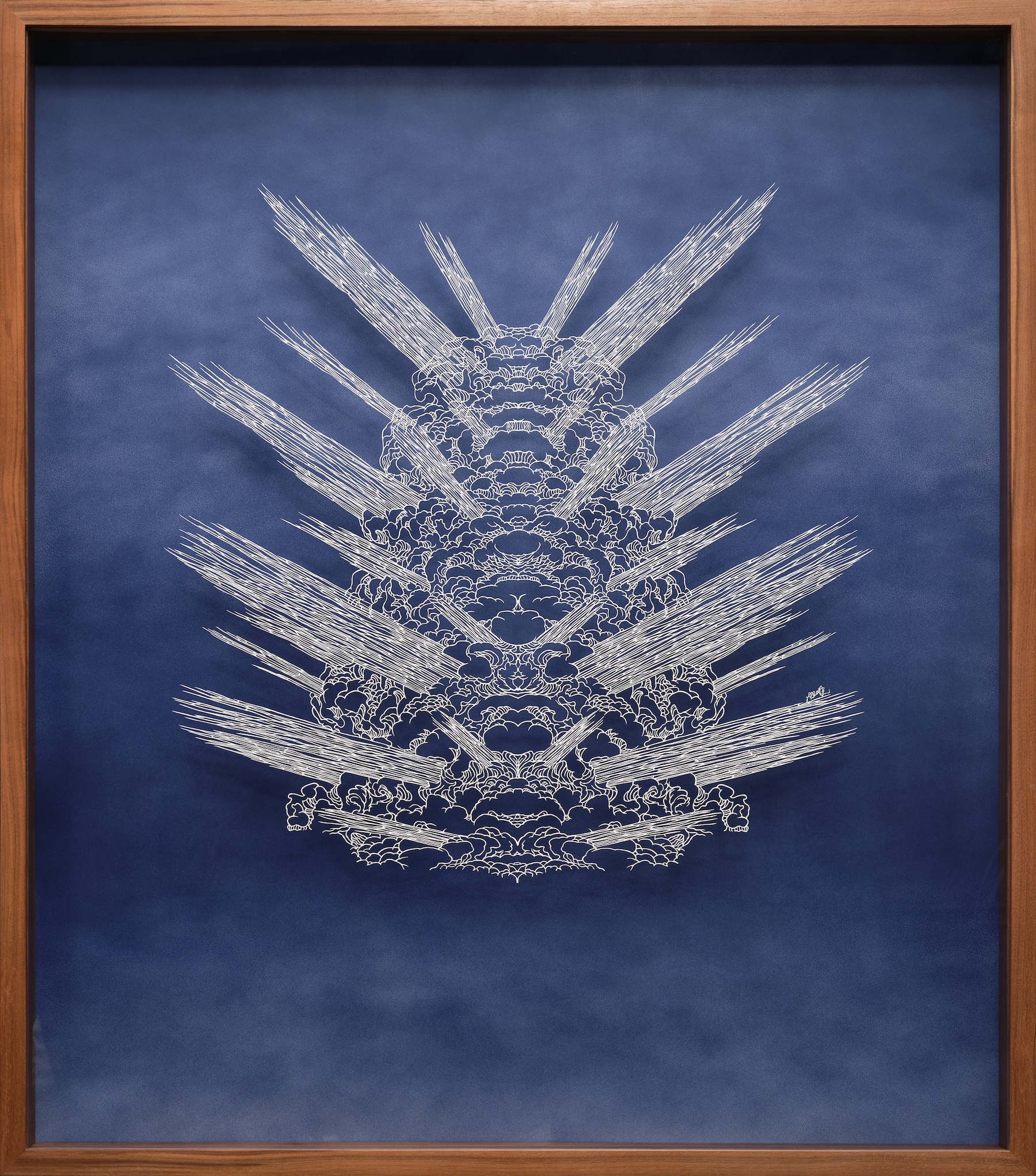
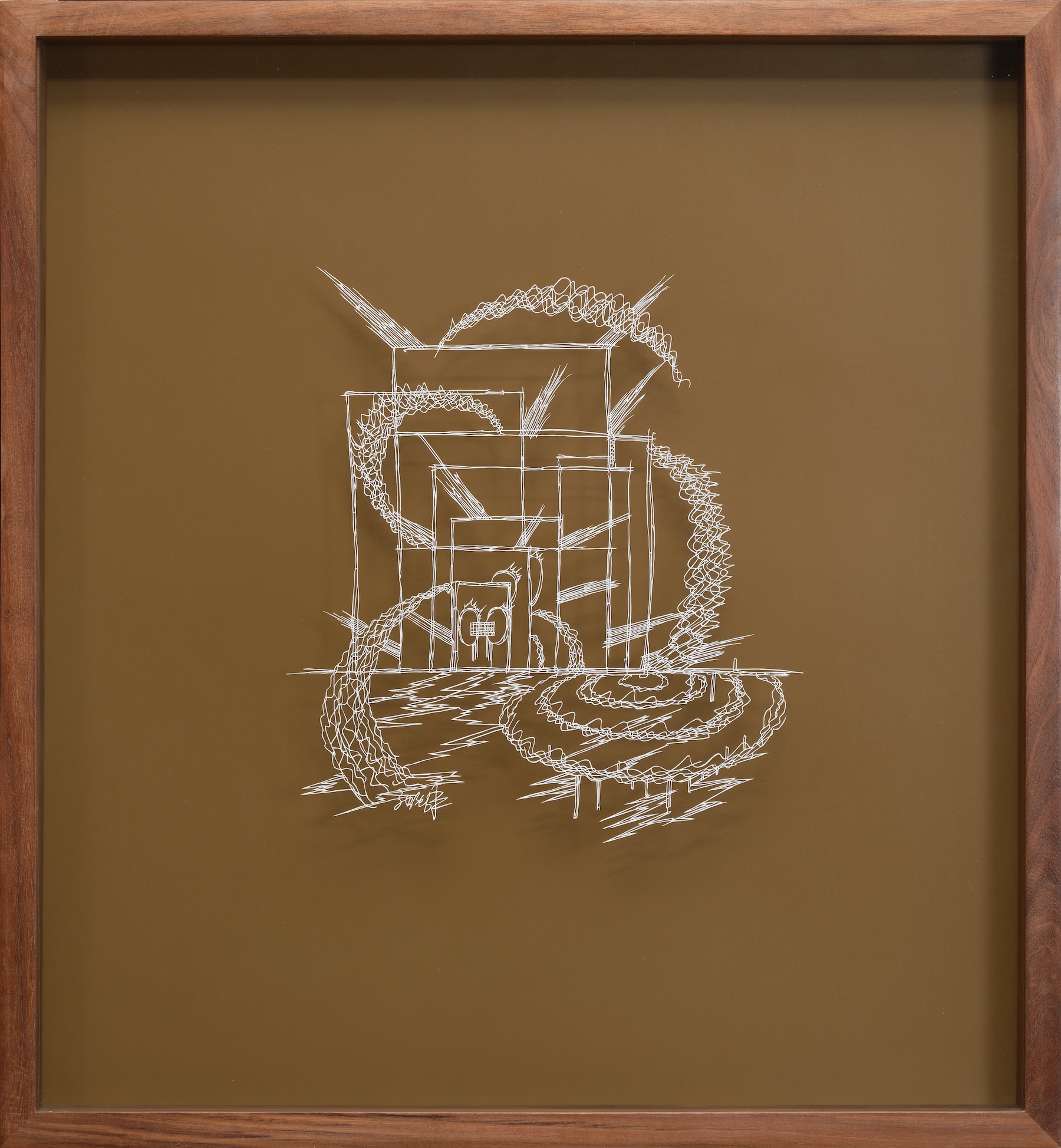
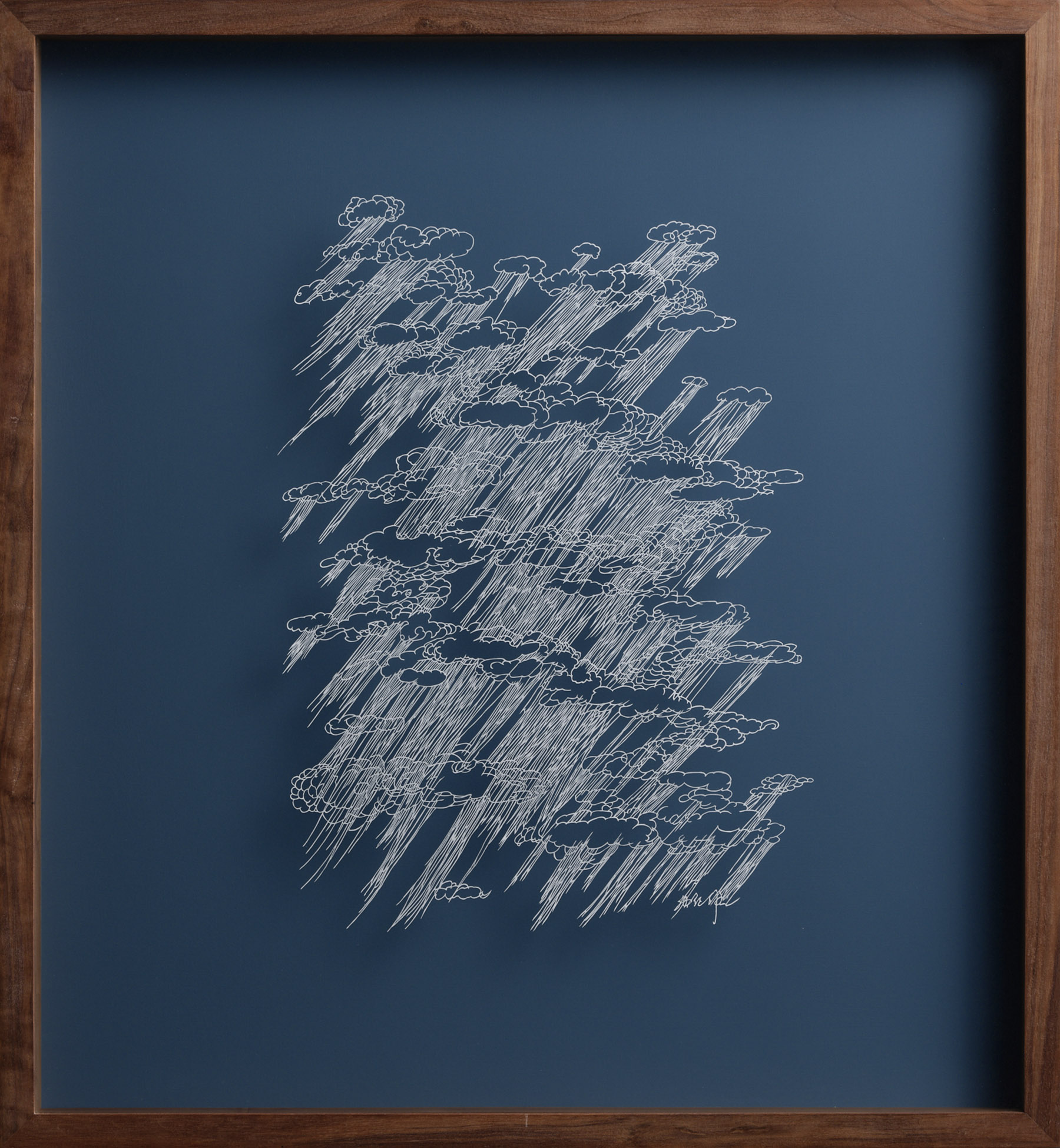
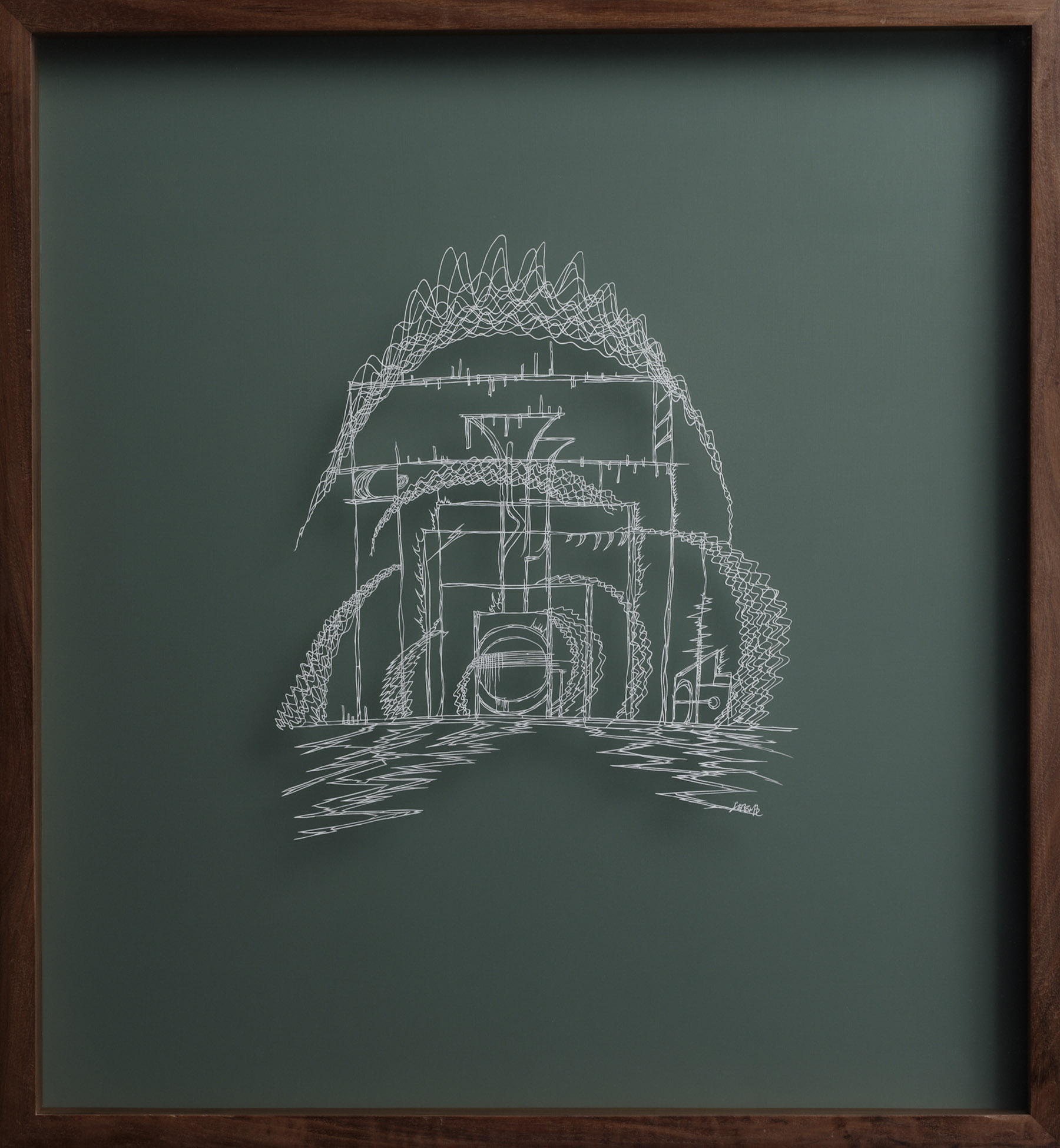
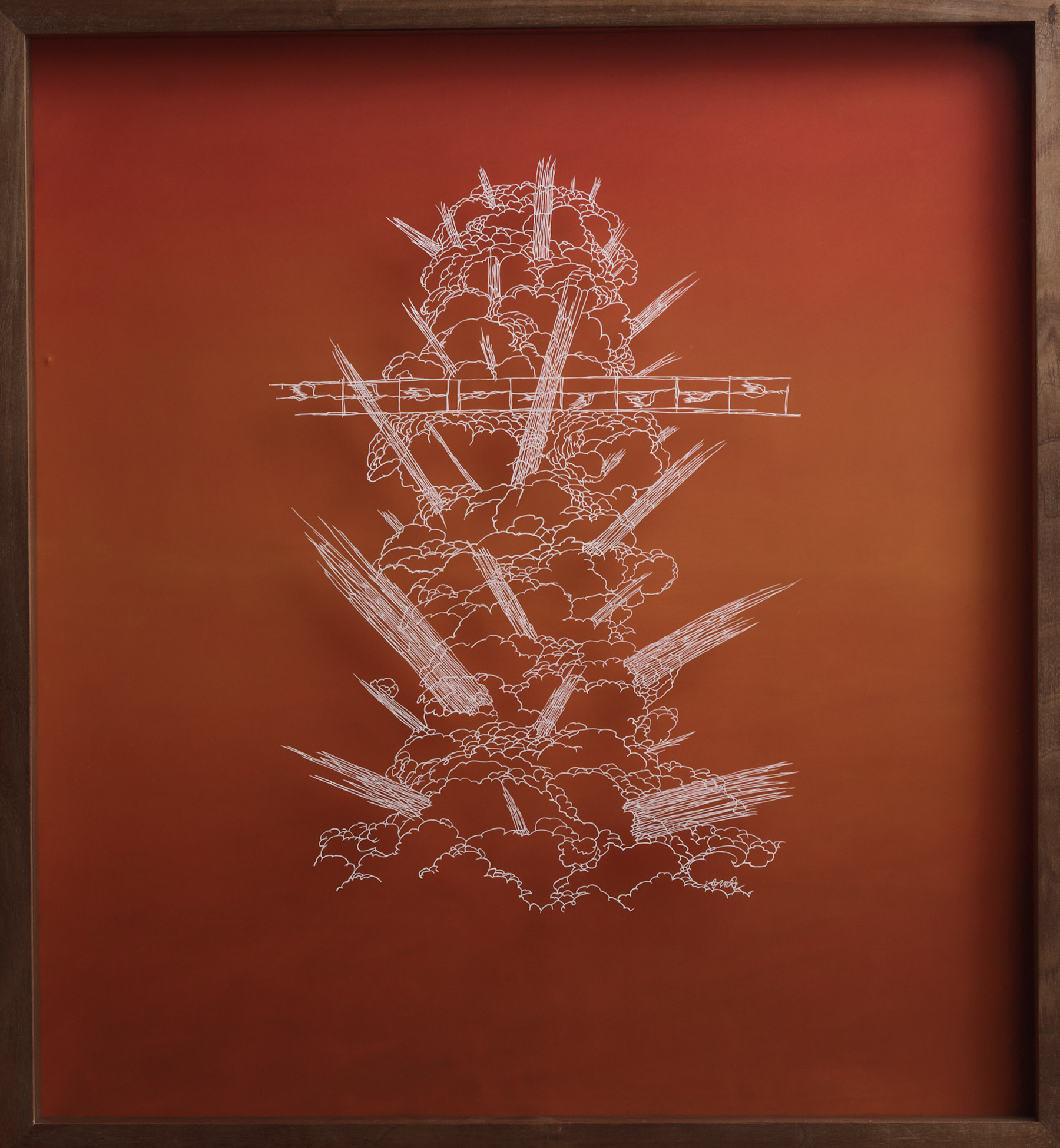
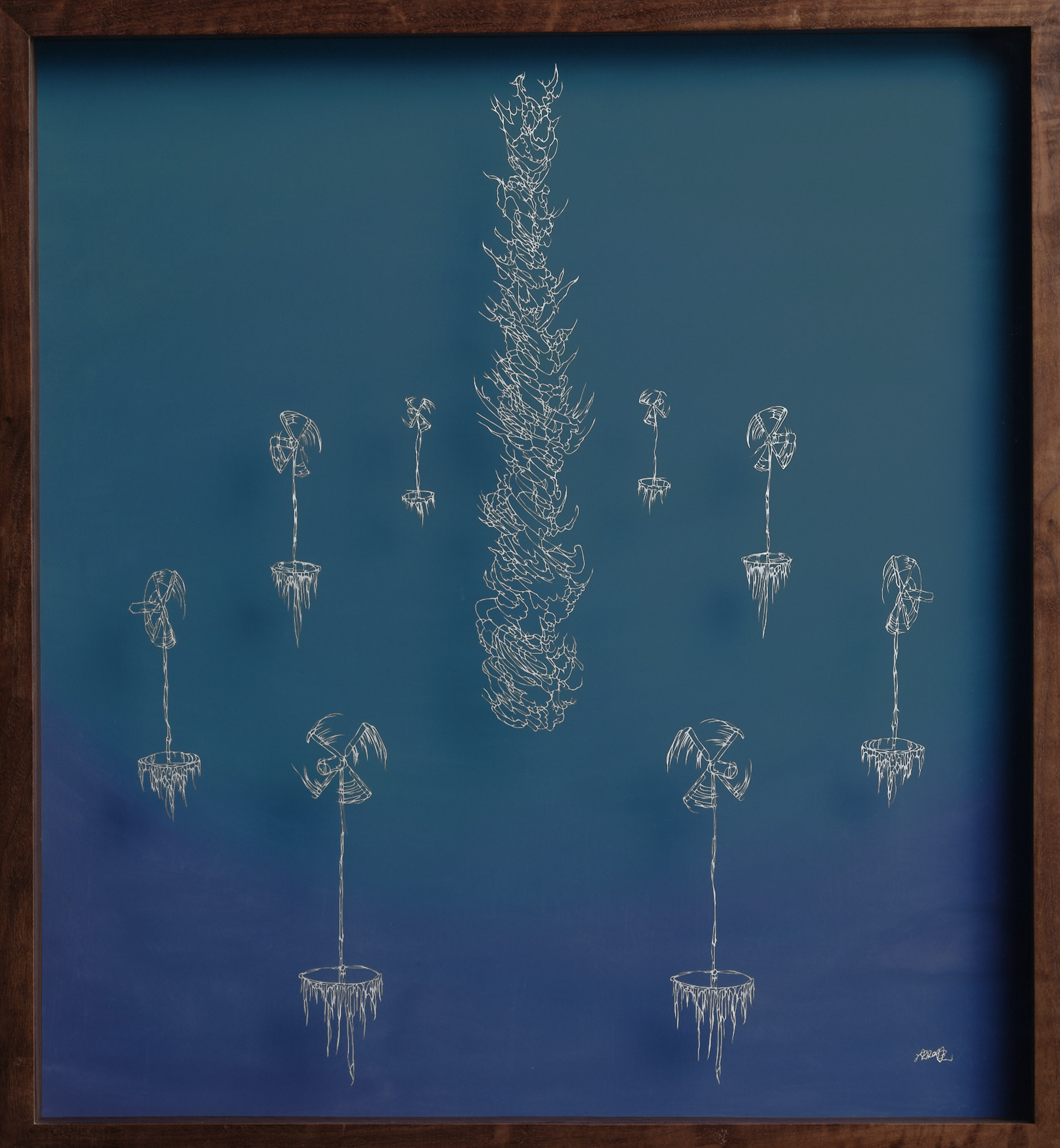
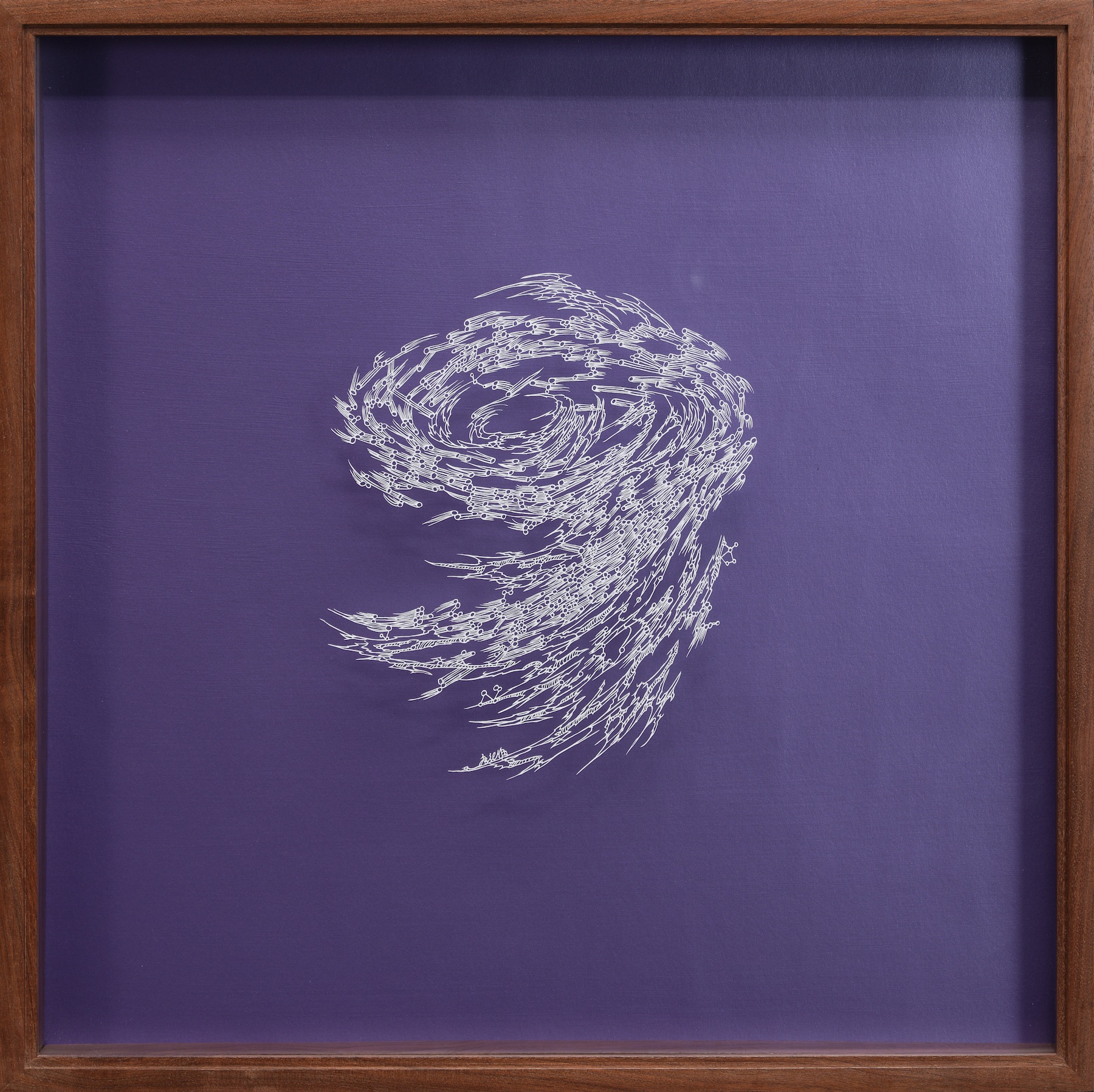
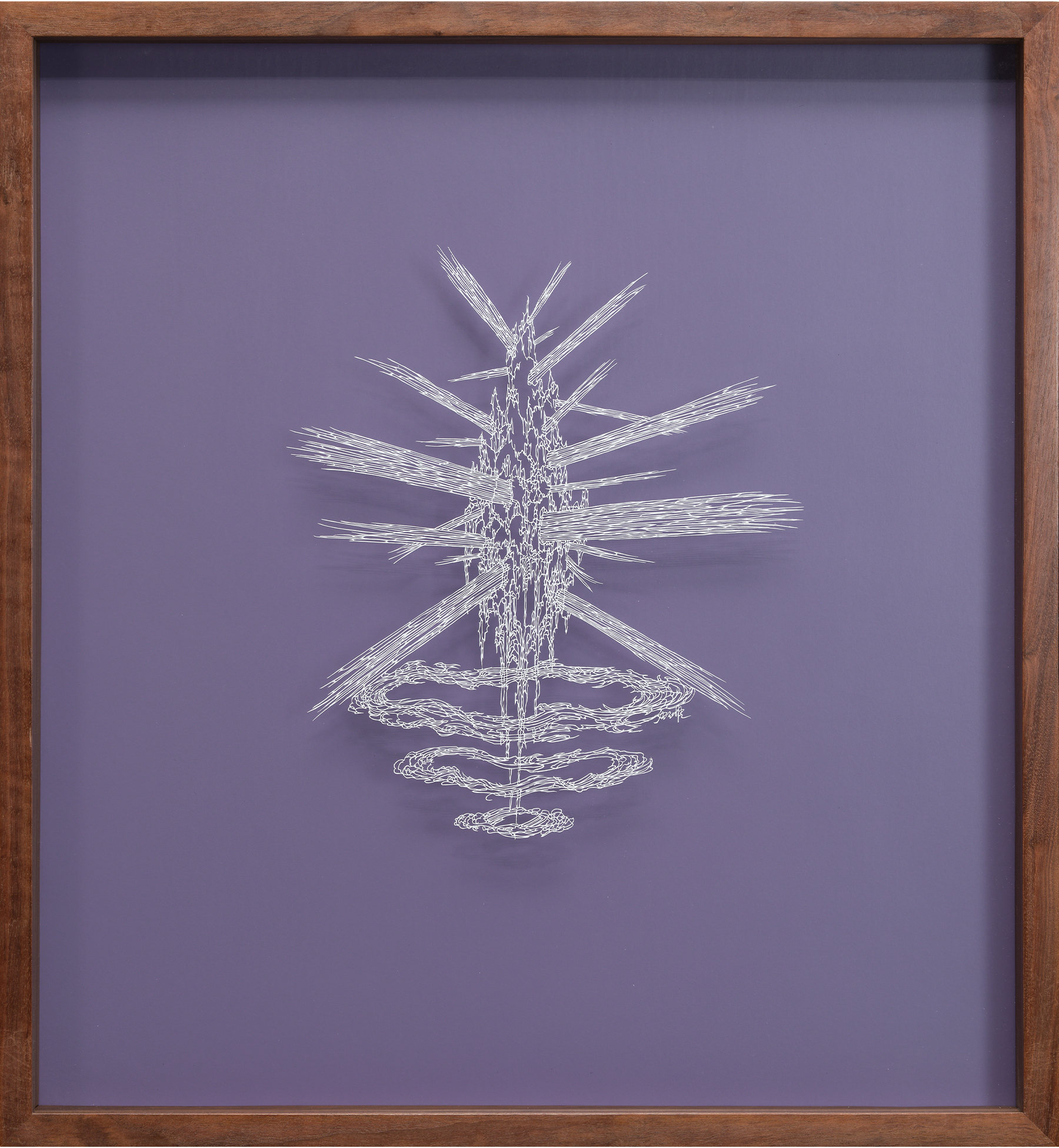
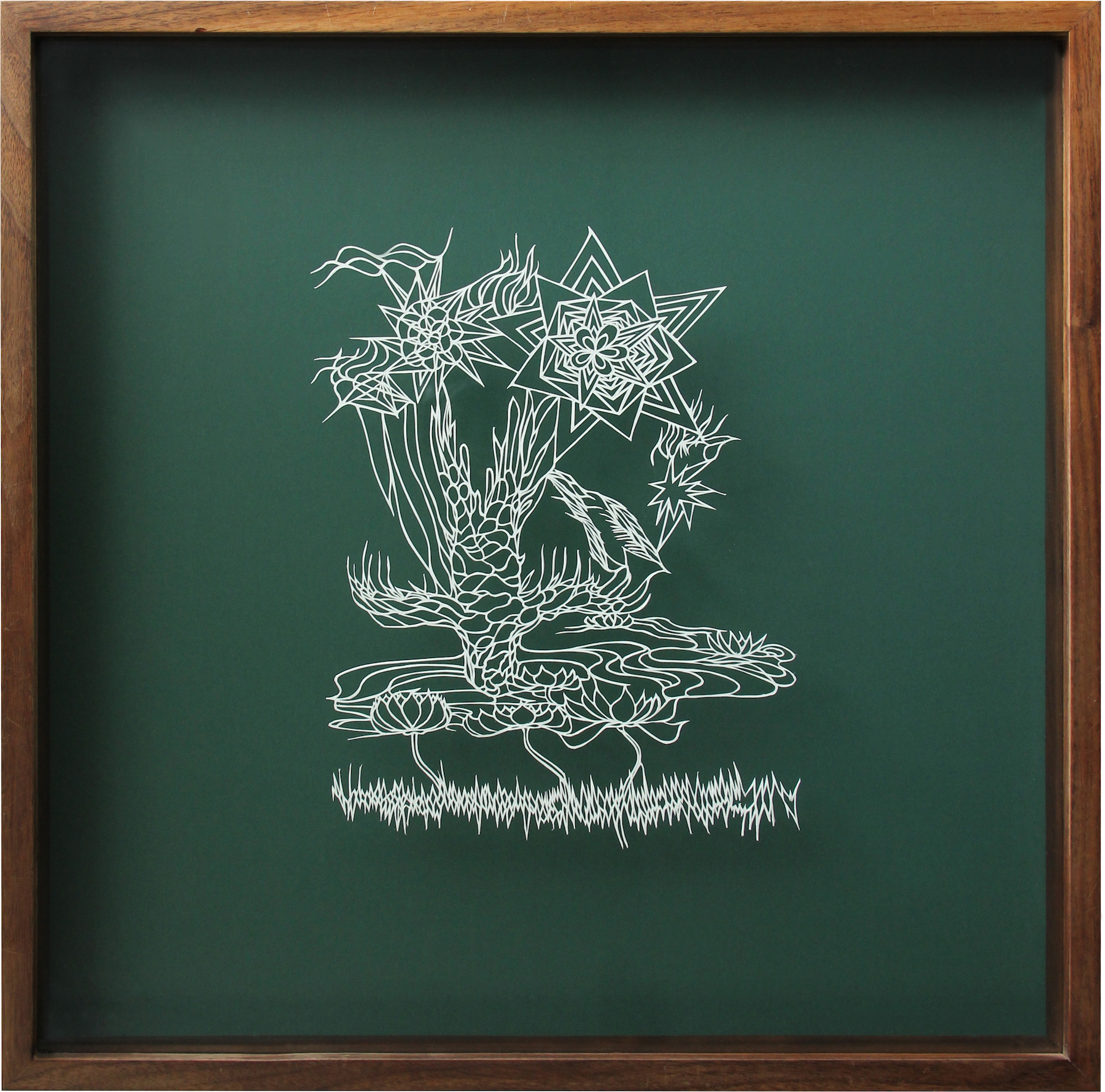
Tang Zhengwei’s works emerge from the long and esteemed legacy of Chinese paper-cutting, yet they decisively move beyond the boundaries of traditional craft. Rather than approaching paper as a decorative or purely two-dimensional medium, Tang treats it as a site of conceptual, physical, and spatial investigation. Through cutting, folding, layering, and sculptural expansion, he transforms paper into a dynamic material capable of articulating complex questions about ecology, society, power, and perception.
At the centre of Tang’s practice is an interest in invisible structures. His earlier works explored the global issue of carbon emissions and the hidden systems of carbon finance, revealing how ecological concerns are inseparable from economic and political networks. Paper itself becomes highly significant within this discourse. As a biodegradable and widely used material, it carries both cultural and environmental associations. In Tang’s hands, paper is no longer a neutral surface; it becomes a medium through which the relationships between nature, industry, and human responsibility can be examined.
In more recent works, Tang extends this inquiry toward the concept of “force.” For the artist, force is both a scientific and social phenomenon: it exists in the physical world as gravity, magnetism, attraction, and resistance, but it also operates within human relationships, urban development, financial systems, and psychological experience. These forces cannot be directly seen, yet they shape the world continuously. Tang’s works attempt to give visual and material form to these hidden dynamics, much like iron filings reveal the otherwise invisible lines of a magnetic field.
His paper-cutting practice is therefore deeply connected to the body. Each incision records the encounter between blade and paper, pressure and resistance, gesture and structure. Tang has described his approach as a form of “painting-sculpture,” a term that captures the hybrid nature of his works. They retain the delicacy and linear precision of paper-cutting, while also breaking away from flatness to occupy space with sculptural presence.
Color also plays an increasingly important role in Tang Zhengwei’s work. Rather than functioning as ornament, it creates specific atmospheres and conceptual fields: cosmic depth, urban tension, financial seduction, or psychological unease. At the same time, his frequent disruption of symmetry challenges one of the most recognizable conventions of traditional paper-cutting. Through asymmetry, movement, and spatial instability, Tang gives his works a sense of tension and transformation.
Tang Zhengwei’s works ultimately propose paper-cutting as a contemporary language of perception. They reveal how a traditional medium can be reactivated to address the urgencies of the present, making visible the forces—ecological, social, cosmic, and internal—that structure human experience.

1987 Born in Changzhou, Hunan province, China
2011 BA in Mural Painting, China Academy of Arts, Hangzhou
2018 MA in Experimental Art, Central Academy of Fine Arts, Beijing
Solo Exhibitions
2022 “Seeing the Unseen”, Art+ Shanghai Gallery, Shanghai
2018 “Cut it Out: Paper World of Tang Zhengwei”, Art+ Shanghai Gallery, Shanghai
Group Exhibitions
2023 Art021, Shanghai
2022 Intangible Cultural Heritage· Future Yanhuang Art Museum, Beijing 2021 Craftsmanship in China, China Science and Technology Museum, Beijing
2020 100 Days of Solitude, Art+ Shanghai Gallery, Shanghai
Tribute to Tradition- Contemporary Paper Art Traveling Exhibition, Today Art Museum, Shandong Art Museum, Jisangsu Modern Art Museum, Xi’an Academy of Fine Art Museum, Lu Xun Academy of Fine Art Museum
Heavy Paper Accumulation··Paper is the White Horse Lake International Convention and Exhibition Center, Hangzhou
2019 The 13th National Art Exhibition, Silk Road Cultural Center, Langfang, China
Paper is, Hangzhou International Exhibition Center, Art+ Shanghai Gallery, Hangzhou, China
The Splendid Language of Paper, Zhejiang Art Museum, Hangzhou, China
2018 Traditional Forms, Central Academy of Fine Art Emerging Artists Space, Beijing
2017 Academic, Original, Creative, Central Academy of Fine Arts/ Qinghua Fine Art Academy, Beijing
2016 Art Hacker, Audit Village, Taichung, Taiwan
The Art in Life – The Future of Chinese Folk Art, Paper Cutting Exhibition Ichihara Lakeside Museum, Ichihara, Japan
Artistic Thought and Conceptual Practice, Central Academy of Fine Arts, Beijing
Somewhere Only We Know, KWM Art Center, Beijing
Somewhere Only We Know, Ullens Center for Contemporary Art, Beijing
Collections
Central Academy of Arts, Hangzhou
KWM Art Center, Beijing