Scan our QR code to stay updated with the recent news and upcoming events.
Scan our QR code to stay updated with the recent news and upcoming events.
2026.11.09-12.31
Art+ Shanghai and Instituto Cervantes Shanghai, are pleased to present Art Forms in Mechanism, an exhibition bringing Spanish artist Linarejos Moreno into dialogue with the collaborative duo Tong Xindi and Shen Ting. Traversing photography, archival intervention, computational modelling, installation and ceramics, the exhibition interrogates the conventional opposition between art and science. Within this inherited division, science is understood to observe, discover and classify an external reality, while art is associated with imagination, interpretation and subjective invention. The practices assembled here complicate this distinction. They reveal observation and representation not as neutral procedures but as situated acts, conditioned by cultural frameworks, technological instruments, material processes and individual experience. Art and science consequently emerge as interrelated systems through which reality is not merely documented, but actively constructed.
This proposition resonates with Walter Mignolo’s concept of the locus of enunciation and Donna Haraway’s formulation of “situated knowledge,” both of which question the possibility of a universal viewpoint detached from history, geography and embodiment. Such perspectives also enter into dialogue with Chinese intellectual traditions that have frequently conceived observation through relations and transformations rather than through the separation of subject and object. Knowledge, in this context, arises from participation within a field of forces.
The exhibition therefore approaches modernity not as a singular epistemological trajectory, but as a palimpsest of possible modernities: an unstable constellation of scientific, industrial and philosophical systems through which different cultures have sought to comprehend the world.
Linarejos Moreno’s Art Forms in Mechanism, initiated in 2009, takes as its critical point of departure Karl Blossfeldt’s Art Forms in Nature of 1929. Associated with the New Objectivity movement, Blossfeldt’s publication presented magnified photographs of plants as rigorous visual specimens, transforming botanical structures into apparently autonomous formal systems. Moreno intervenes directly within this modernist genealogy. She replaces the word “nature” with “mechanism,” substitutes botanical specimens with images of pedagogical plant models, and exchanges scientific nomenclature for the names of machines once used in her family’s factory. Through this precise act of appropriation and displacement, the ostensibly objective scientific document becomes entangled with industrial memory, personal biography and the history of Spanish modernization.
The botanical models photographed by Moreno were originally produced as instruments of instruction, designed to render the internal structures of vegetal life visible and intelligible. Yet their hinges, hooks, gears and assembly systems simultaneously disclose the mechanical apparatus concealed beneath the simulation of organic form. In Moreno’s installations, monumental photographic prints enter into dialogue with industrial remnants, architectural supports and the reconfigured book itself. Nature and machine no longer function as stable opposites; each becomes legible through the visual and material language of the other. By exposing the fabricated structures underpinning scientific representation, Moreno reveals that every taxonomy embodies a particular relationship to its subject. Classification is never simply descriptive: it selects, organizes and assigns meaning according to historically determined systems of value.
Tong Xindi and Shen Ting duo approach this relationship between knowledge and representation from the side of generation rather than classification. Their ceramic paintings and sculptures begin with reaction–diffusion equations, mathematical models used to explain the emergence of complex patterns in natural phenomena, from animal markings and coral formations to river systems, sand gullies and fingerprints. The artists draw particular inspiration from Alan Turing’s 1952 theory of morphogenesis and from Gray Scott computational models, through which simple interactions between activating and inhibiting elements produce unexpectedly elaborate structures. In their recent work, the artists have developed a Meinhardt-based model with five interacting activator–inhibitor pairs, each associated with one of the wuxing 五行, or Five Phases. Their interplay of activation and inhibition draws on yinyang 阴阳, while relations of generation and restraint among the five systems shape the evolving patterns and colours.
A particular moment in time also becomes a point of departure. Drawing on the Four Pillars, a traditional Chinese system historically used to interpret fate, the artists translate a date and time into relationships that inform the generative model. The resulting image gives abstract form to the configuration of forces associated with that moment.
In their ceramic paintings, digitally generated patterns are translated through mud inlay, glaze and the transformative conditions of high-temperature firing. Computational precision establishes an initial order, but the kiln introduces another intelligence: glazes diffuse and collide, fire alters surfaces, and ash settles unpredictably upon the material. Algorithm and matter thus become co-authors of the work. Their sculptural series extends this inquiry into three dimensions by stacking successive states of reaction–diffusion patterns along a vertical axis. The generated image ceases to remain a surface representation and becomes the internal structure of the object itself. As mathematical information acquires volume, weight and mineral texture, digitally derived forms assume an archaic, almost totemic presence, appearing simultaneously technological and primordial.
The encounter between these practices produces a dialectic between the archive and the algorithm, the classified image and the generative model. Moreno uncovers the biographical, industrial and ideological structures embedded within supposedly neutral systems of observation; Tong and Shen demonstrate how formal systems can evolve beyond the complete control of their authors through encounters with clay, glaze, heat and time. Across photography, code and kiln, Art Forms in Mechanism proposes that knowledge is always relational and materially mediated. The exhibition does not seek to reconcile art and science as separate domains, but to disclose their shared participation in constructing the forms through which the world becomes perceptible, and through which other realities might yet be imagined.
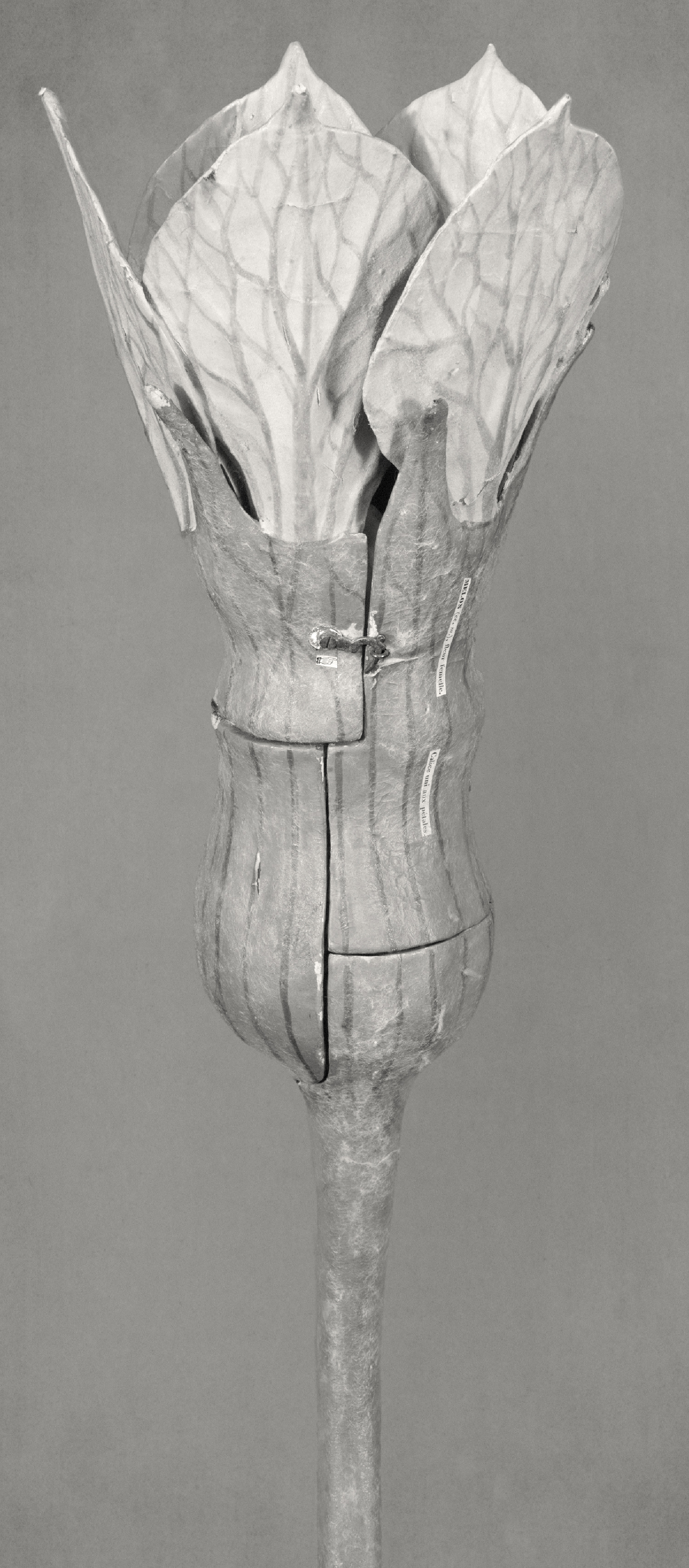
机械中的艺术形式 I Art Forms in Mechanism I 天然颜料印刷于涂有石膏底料的粗麻布面 Printed on linen canvas prepared with natural pigments and gesso ground 麻布尺寸 Burlap size 300*150 cm 2009/2016
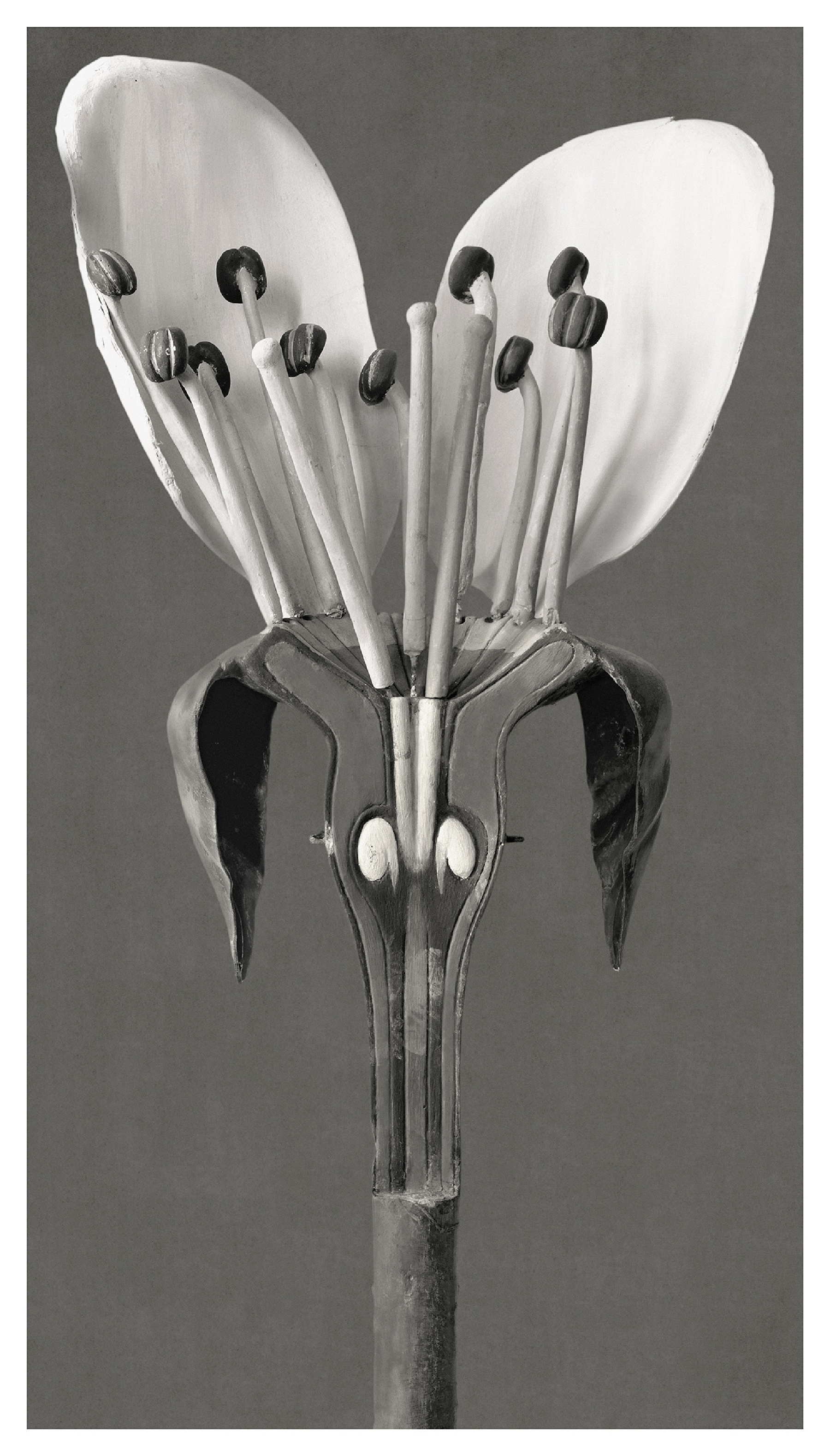
机械中的艺术形式 XVIII Art Forms in Mechanism XVIII 天然颜料印刷于涂有石膏底料的粗麻布面 Printed on linen canvas prepared with natural pigments and gesso ground 麻布尺寸 Burlap size 300*150 cm 2009/2016
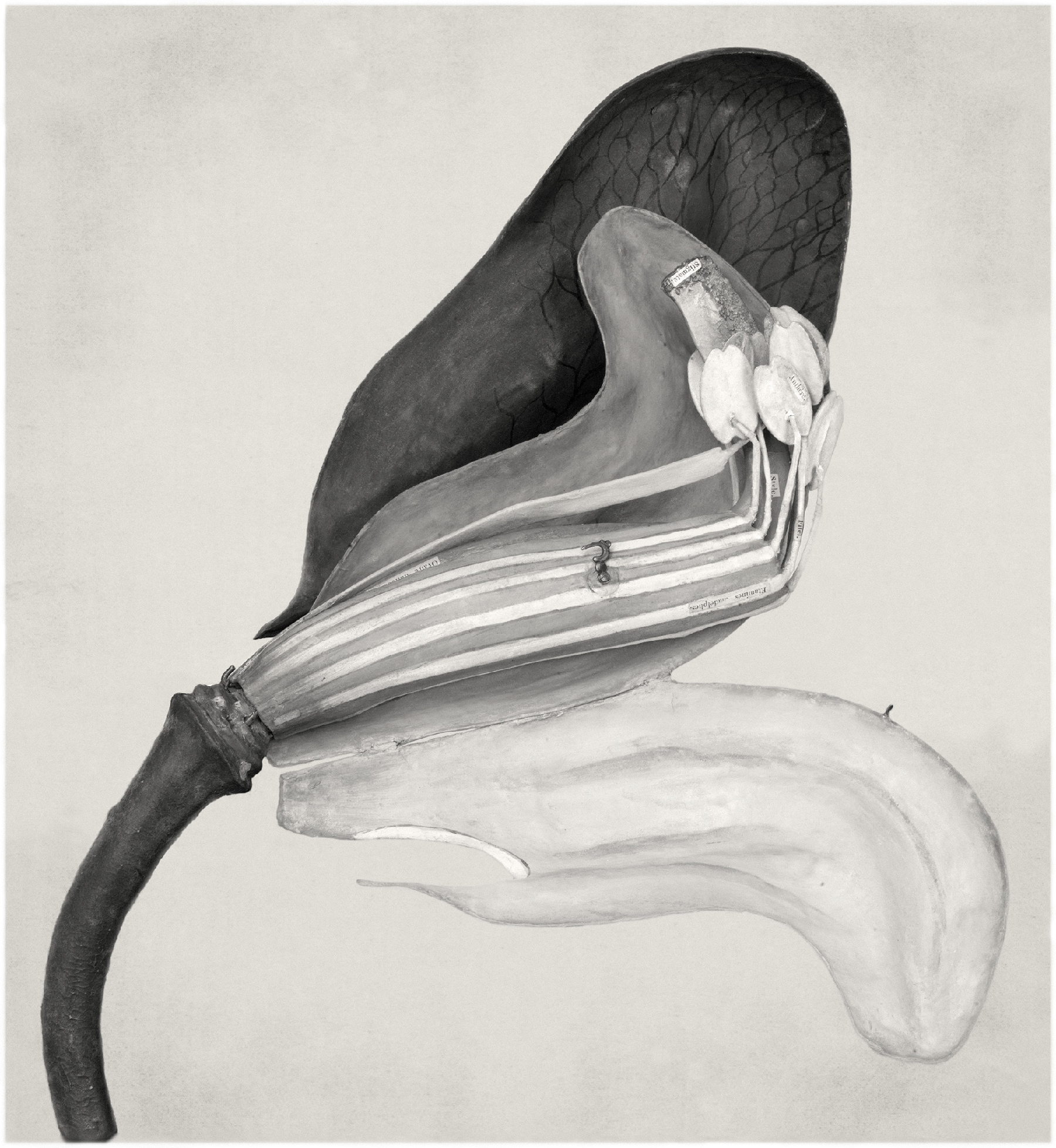
机械中的艺术形式 XXVI Art Forms in Mechanism XXVI 天然颜料印刷于涂有石膏底料的粗麻布面 Printed on linen canvas prepared with natural pigments and gesso ground 麻布尺寸 Burlap size 300*150 cm 印刷尺寸 Print size 160*300 cm 2009/2016
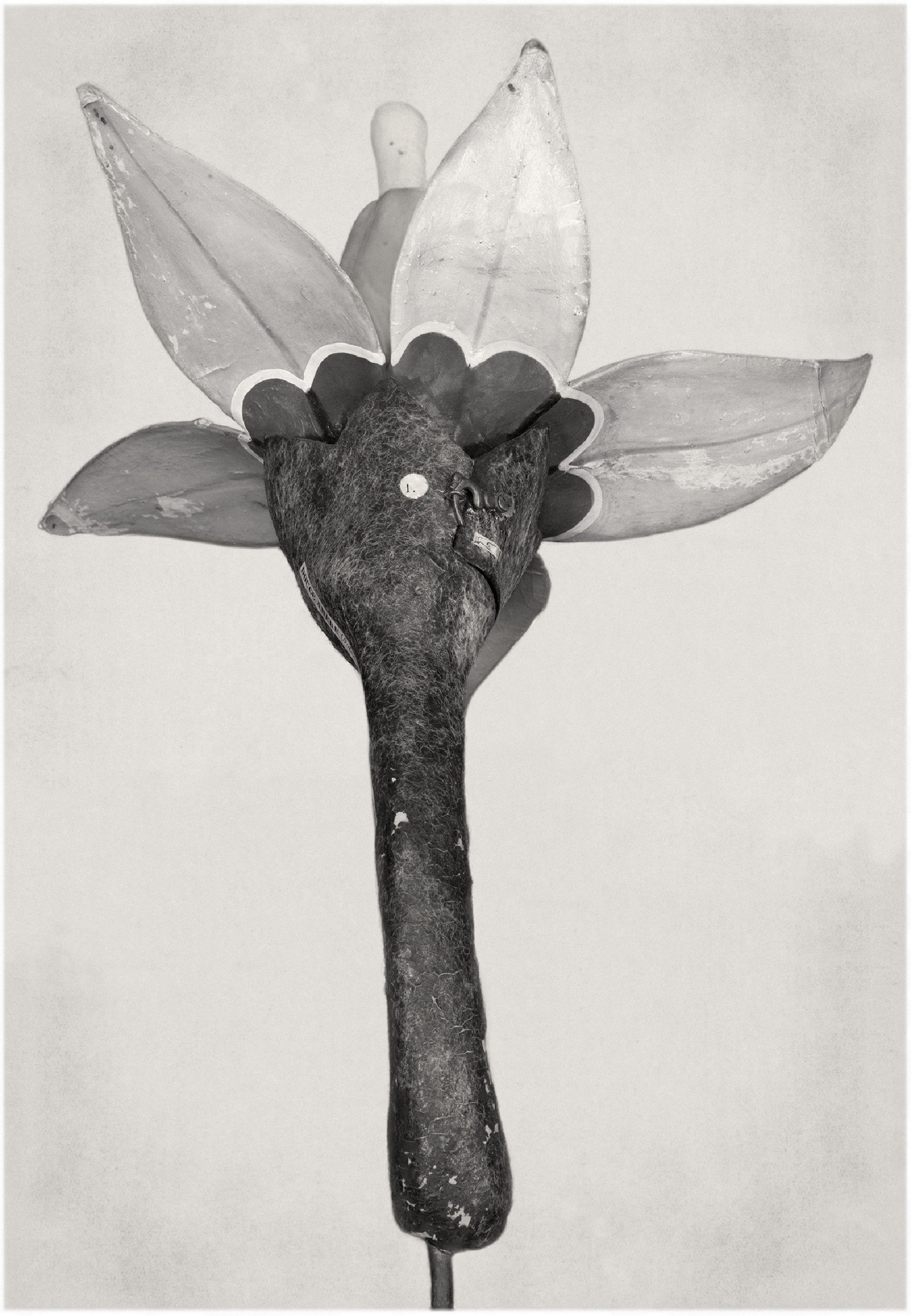
机械中的艺术形式 XVII Art Forms in Mechanism XVII 印刷于天然颜料处理过的麻质画布Printed on linen canvas prepared with natural pigments 麻布尺寸 Burlap size 300*150 cm 印刷尺寸 Print size 160*300 cm 2009/2016
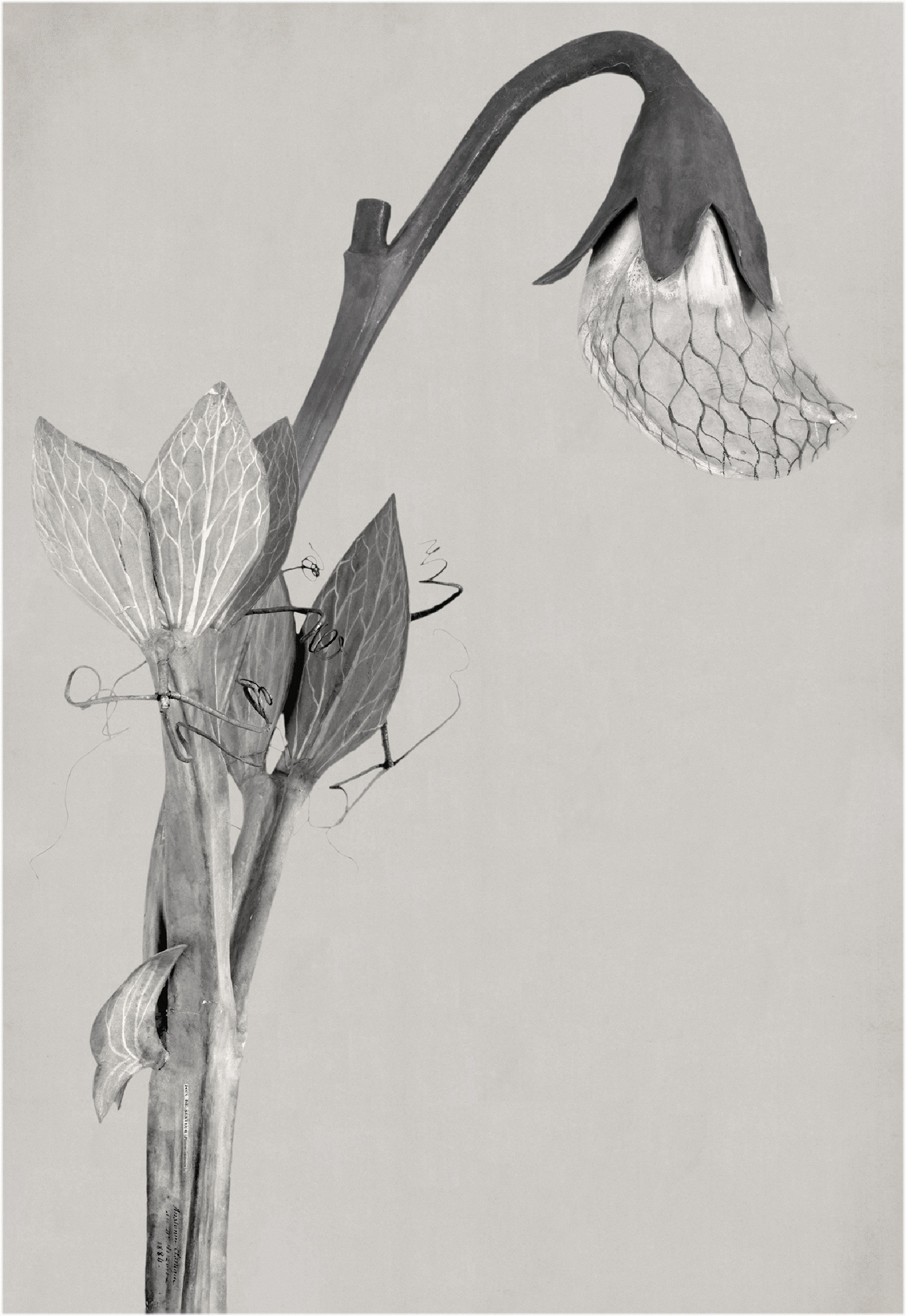
机械中的艺术形式 VII Art Forms in Mechanism VII 收藏级数码印刷于涂有石膏底料的手工粗麻布 Collector-grade digital print on handmade burlap primed with gesso 麻布尺寸 Burlap size 300*150 cm 印刷尺寸 Print size 150*300 cm 2009/2016
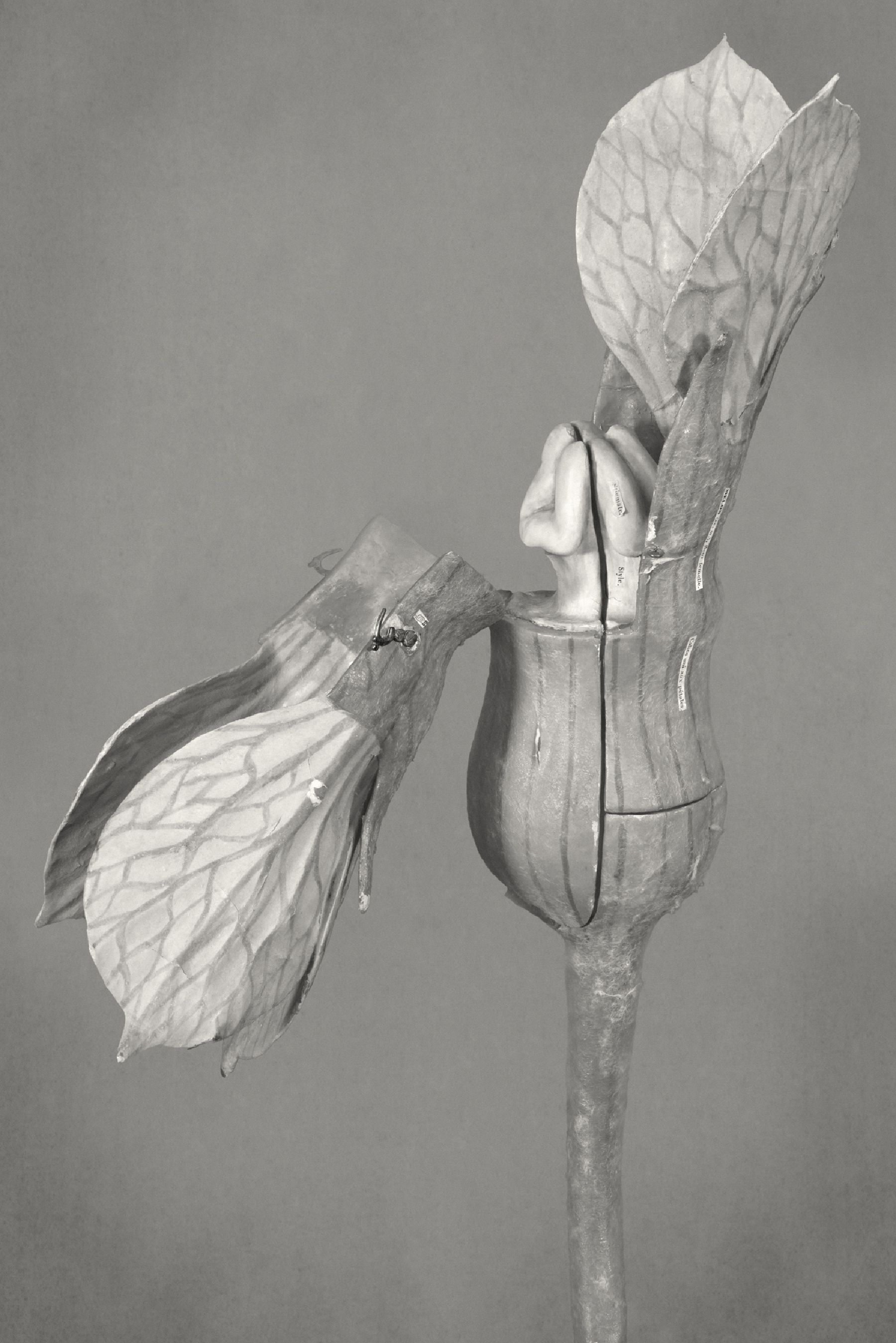
机械中的艺术形式 XXVIII Art Forms in Mechanism XXVIII 收藏级数码印刷于手工处理过的粗麻布 Collector-grade digital printed on hand-processed burlap 麻布尺寸 Burlap size 160*300 cm 印刷尺寸 Print size 300*150 cm 2009/2025
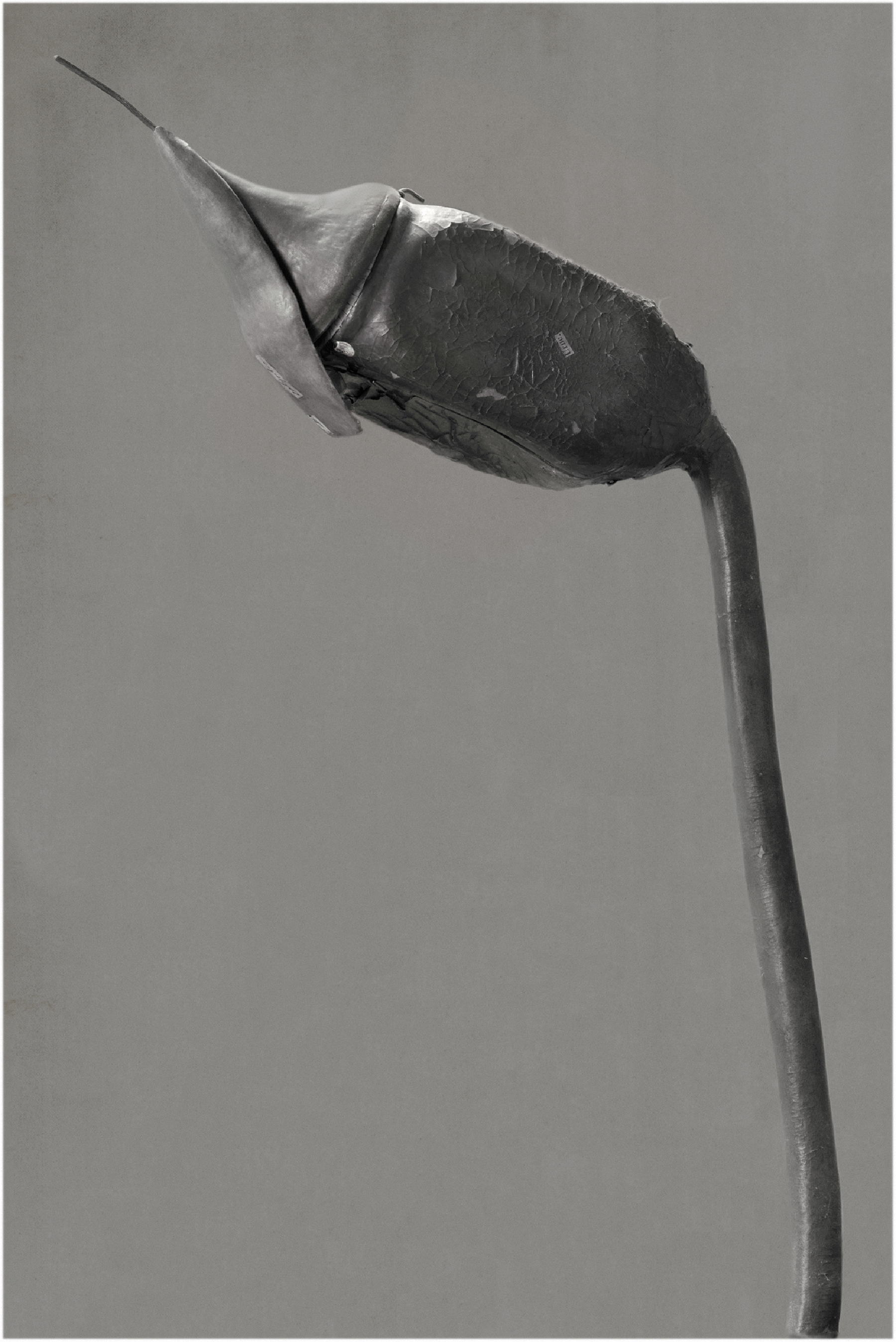
机械中的艺术形式 XIX Art Forms in Mechanism XIX 印刷于天然颜料和石膏底料处理过的麻质画布、金属支架、底座 Printed on linen canvas prepared with natural pigments and gesso ground, metal stand, base 麻布尺寸 Burlap size 150*300 cm 2009/2016
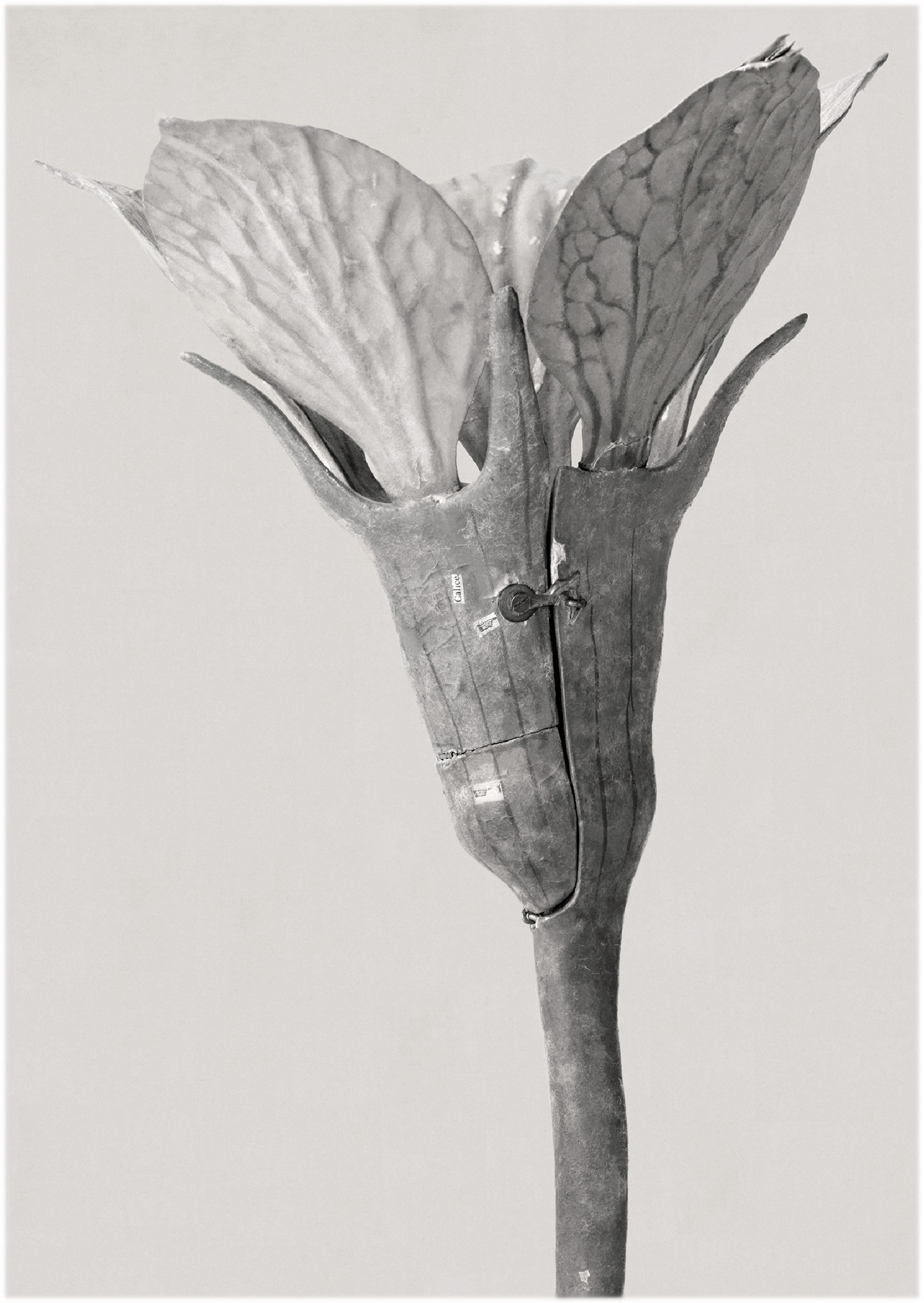
机械中的艺术形式 XII Art Forms in Mechanism XII 收藏级数码印刷于手工处理过的粗麻布 Collector-grade digital printed on hand-processed burlap 麻布尺寸 Burlap size 160*300 cm 印刷尺寸 Print size 300*150 cm 2009/2016
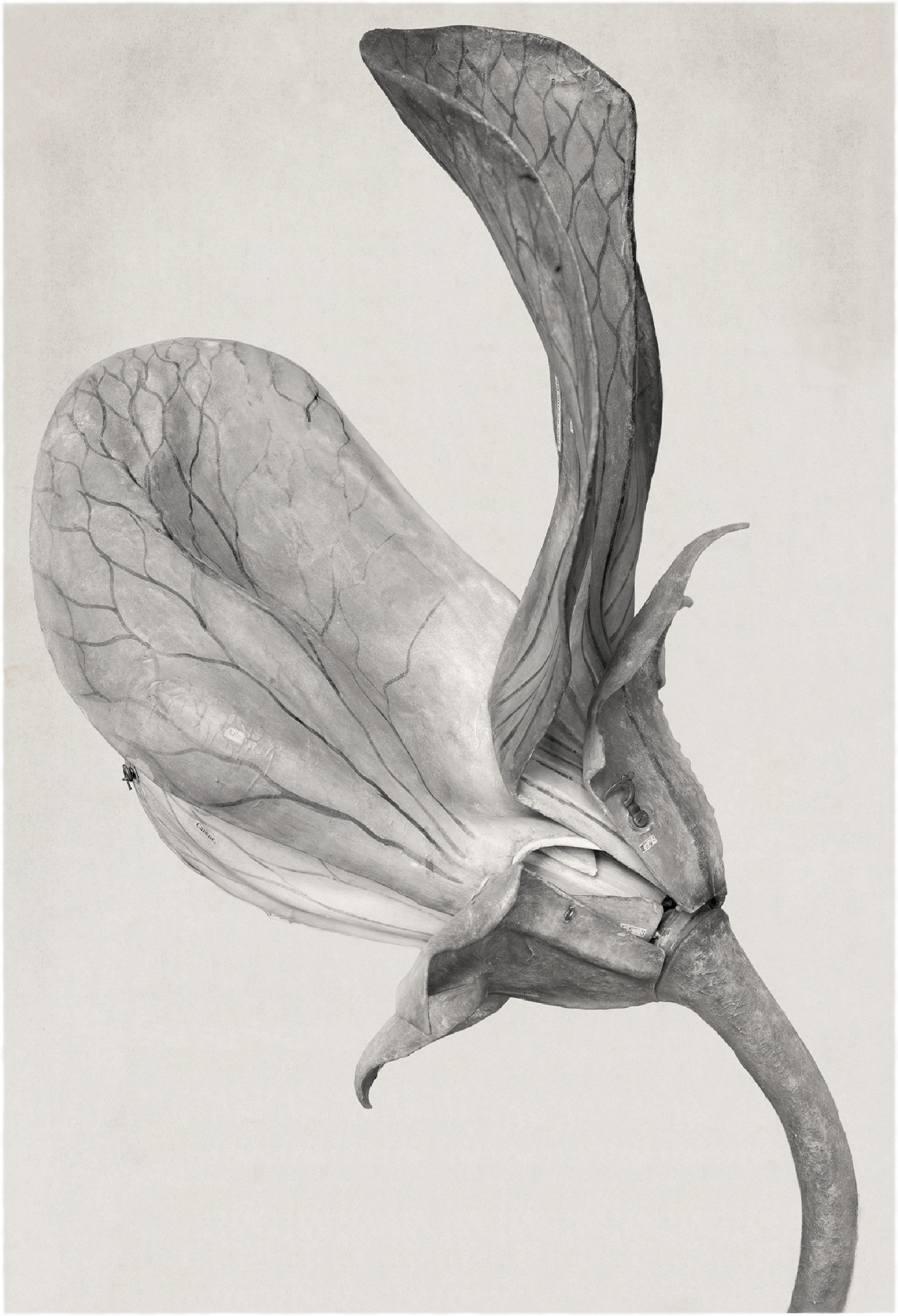
机械中的艺术形式 XX Art Forms in Mechanism XX 收藏级数码印刷于手工处理过的粗麻布、工业挂钩 Collector-grade digital printed on hand-processed burlap, hooks 麻布尺寸 Burlap size 160*300 cm 印刷尺寸 Print size 300*150 cm 2009/2026

机械中的艺术形式 I Art Forms in Mechanism I 天然颜料印刷于涂有石膏底料的粗麻布面 Printed on linen canvas prepared with natural pigments and gesso ground 麻布尺寸 Burlap size 300*150 cm 2009/2016
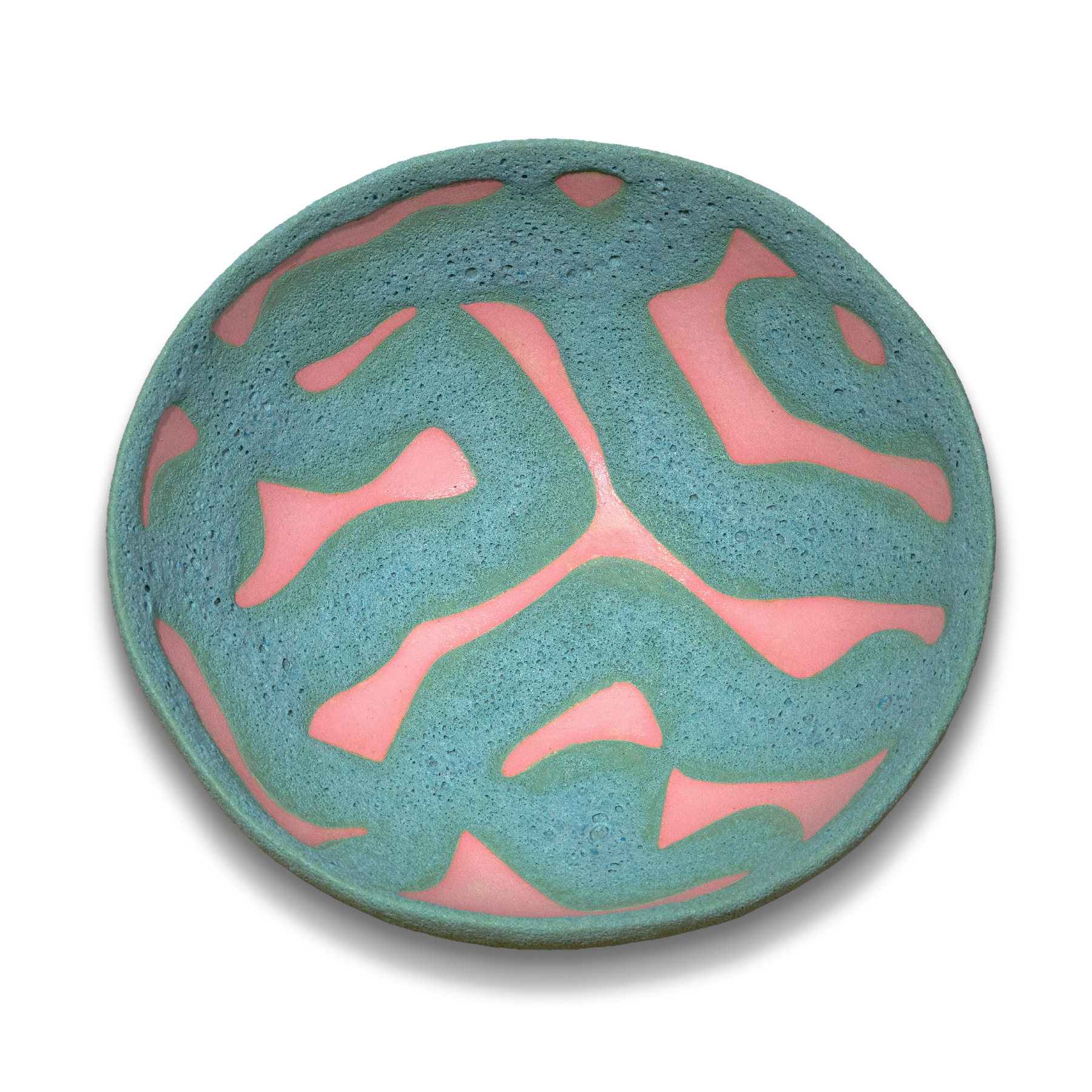
自生图腾 04 Self-generated Totem 04 陶、高温釉 Porcelain, High-temperature Glaze 47*46*17 cm 2026
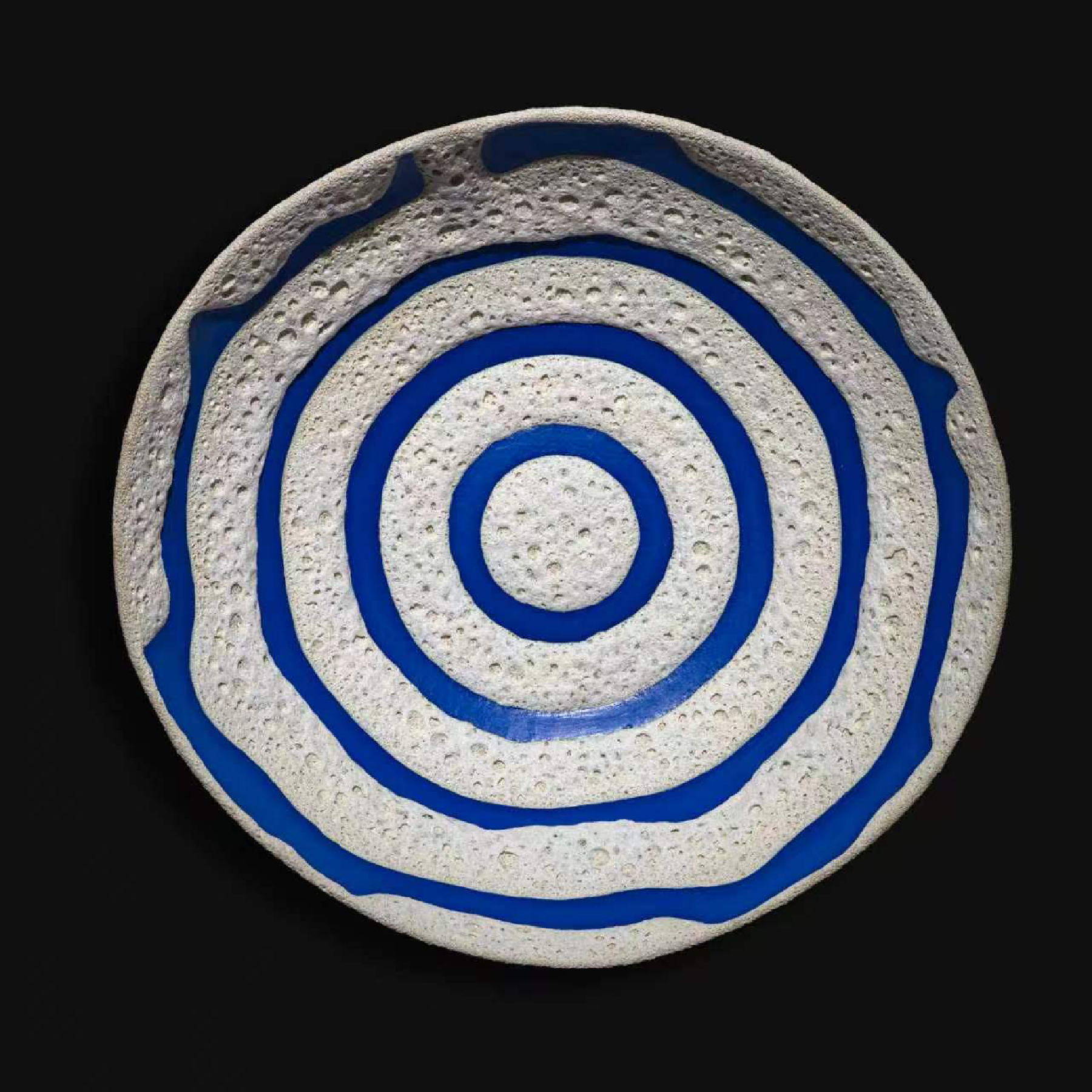
自生图腾 08 Self-generated Totem 08 陶、高温釉 Porcelain, High-temperature Glaze 55.4*54.5*17.5 cm 2026
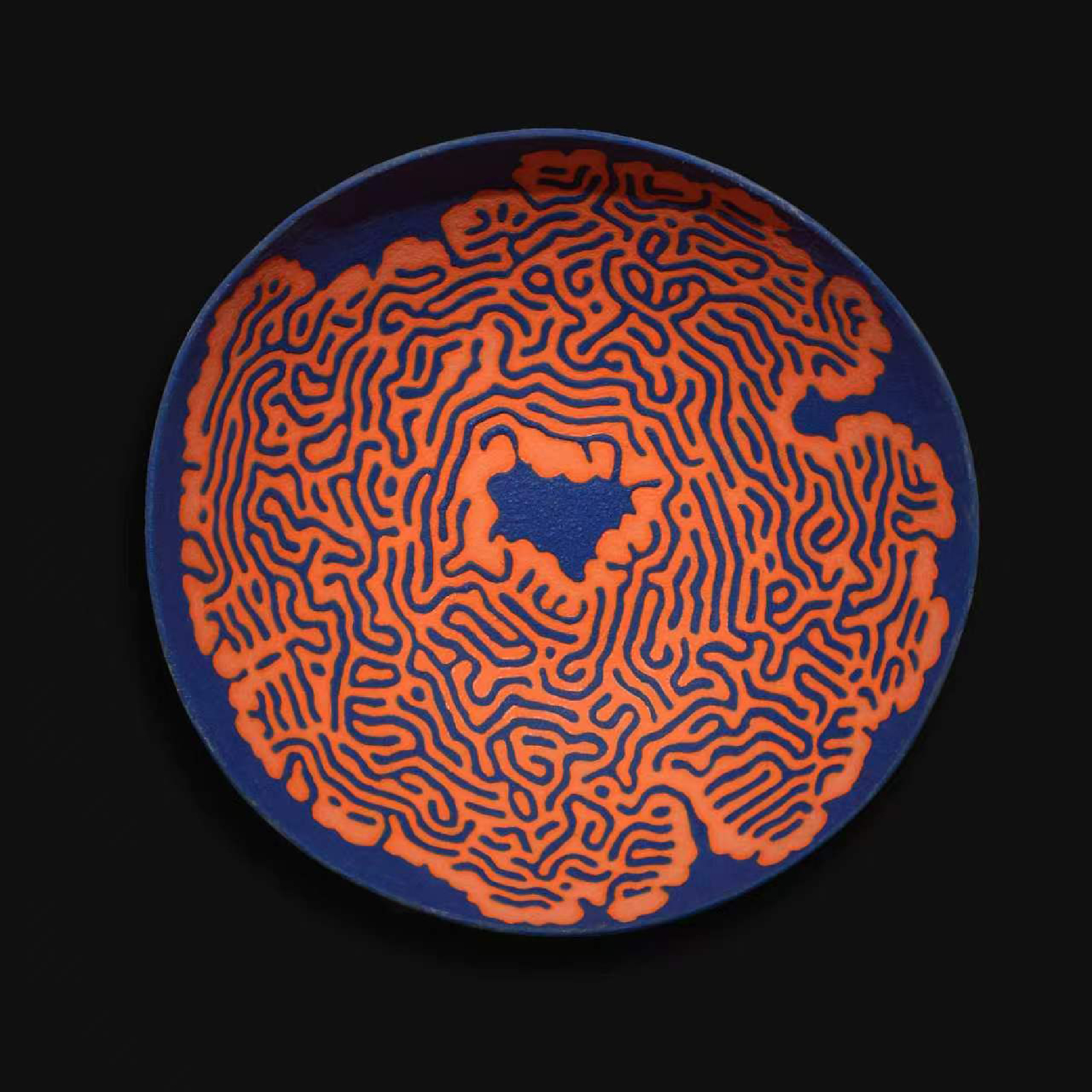
自生图腾 07 Self-generated Totem 07 陶、高温釉 Porcelain, High-temperature Glaze 56*54*18 cm 2026
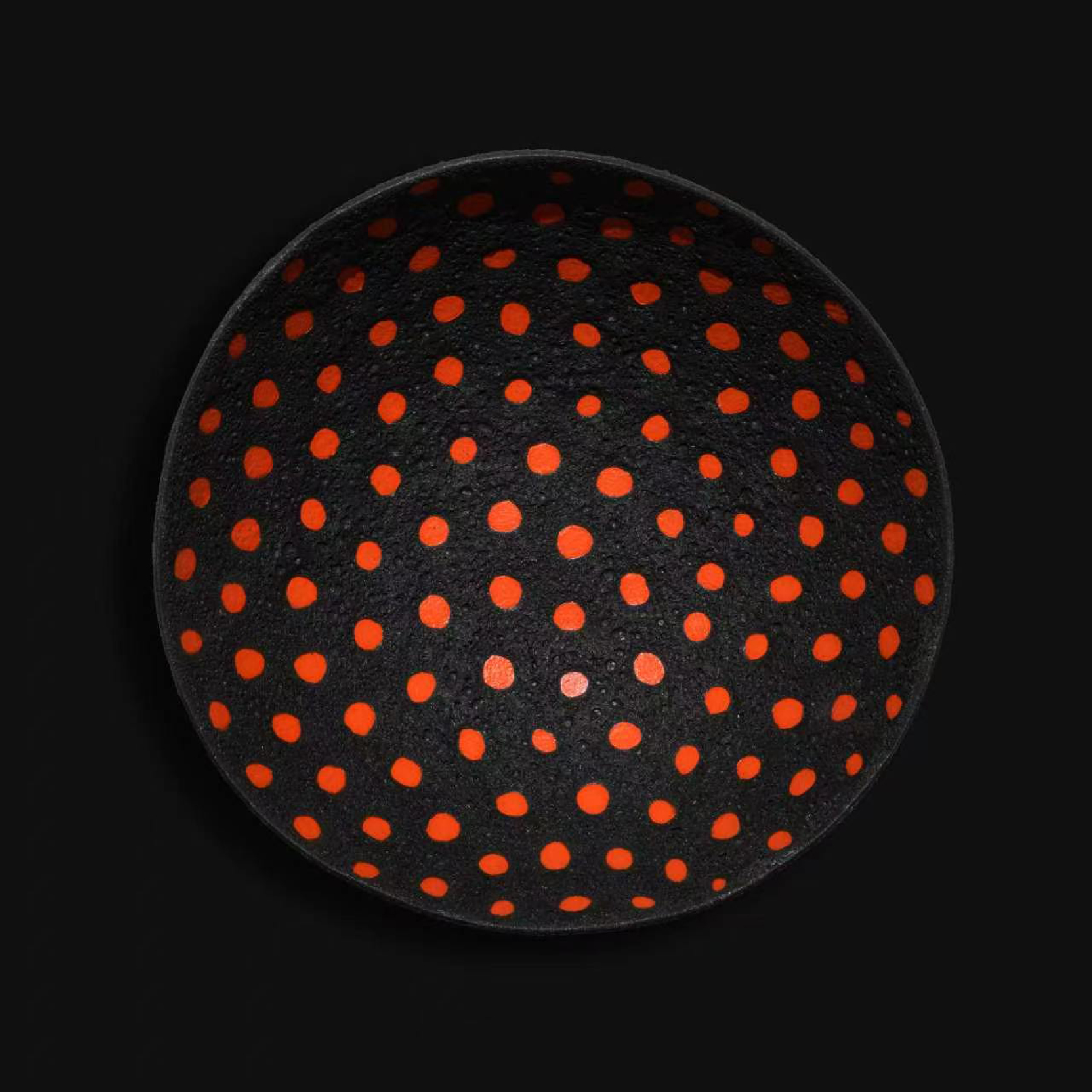
自生图腾 06 Self-generated Totem 06 陶、高温釉 Porcelain, High-temperature Glaze 45.5*47*18.5 cm 2026
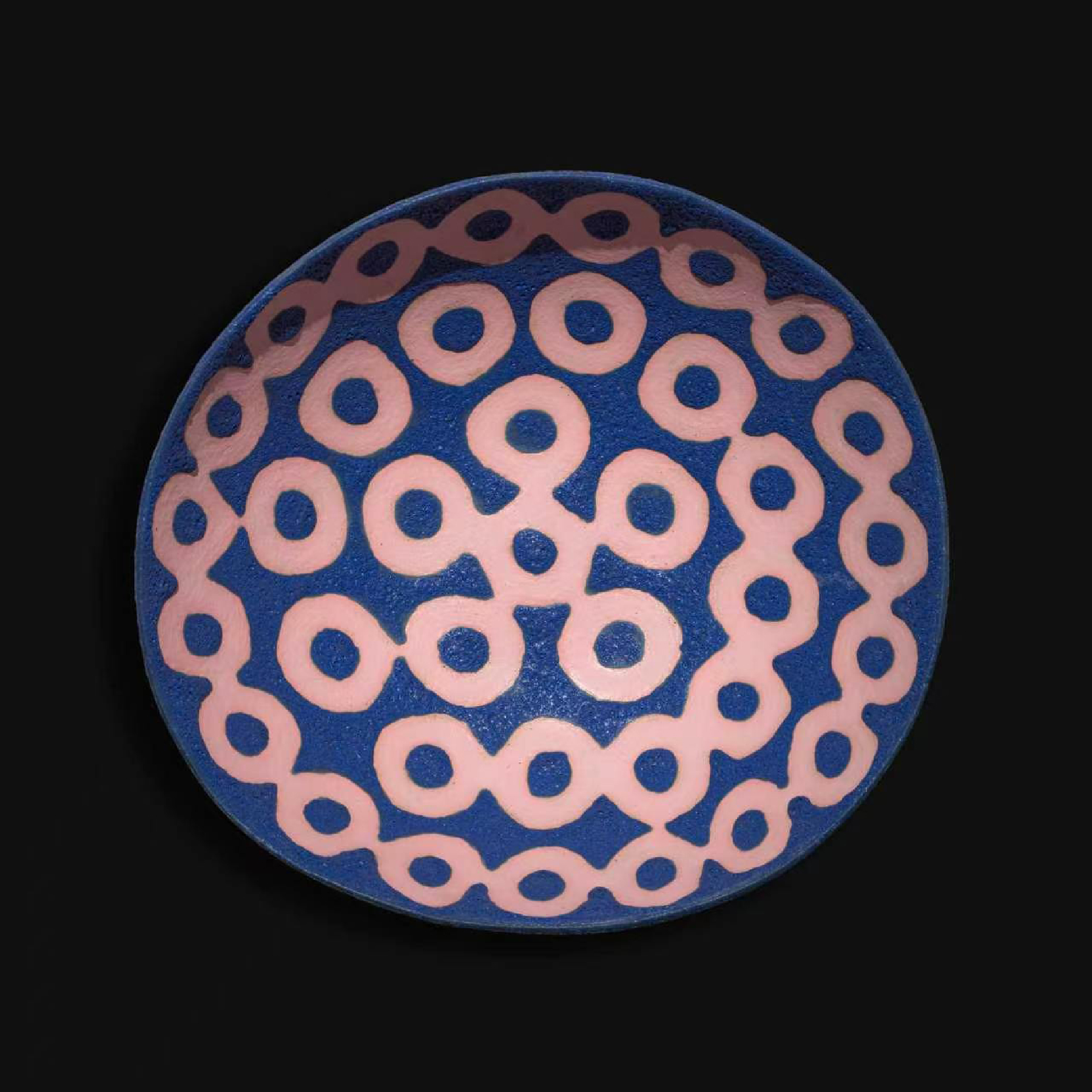
自生图腾 05 Self-generated Totem 05 陶、高温釉 Porcelain, High-temperature Glaze 49*45.5*18 cm 2026
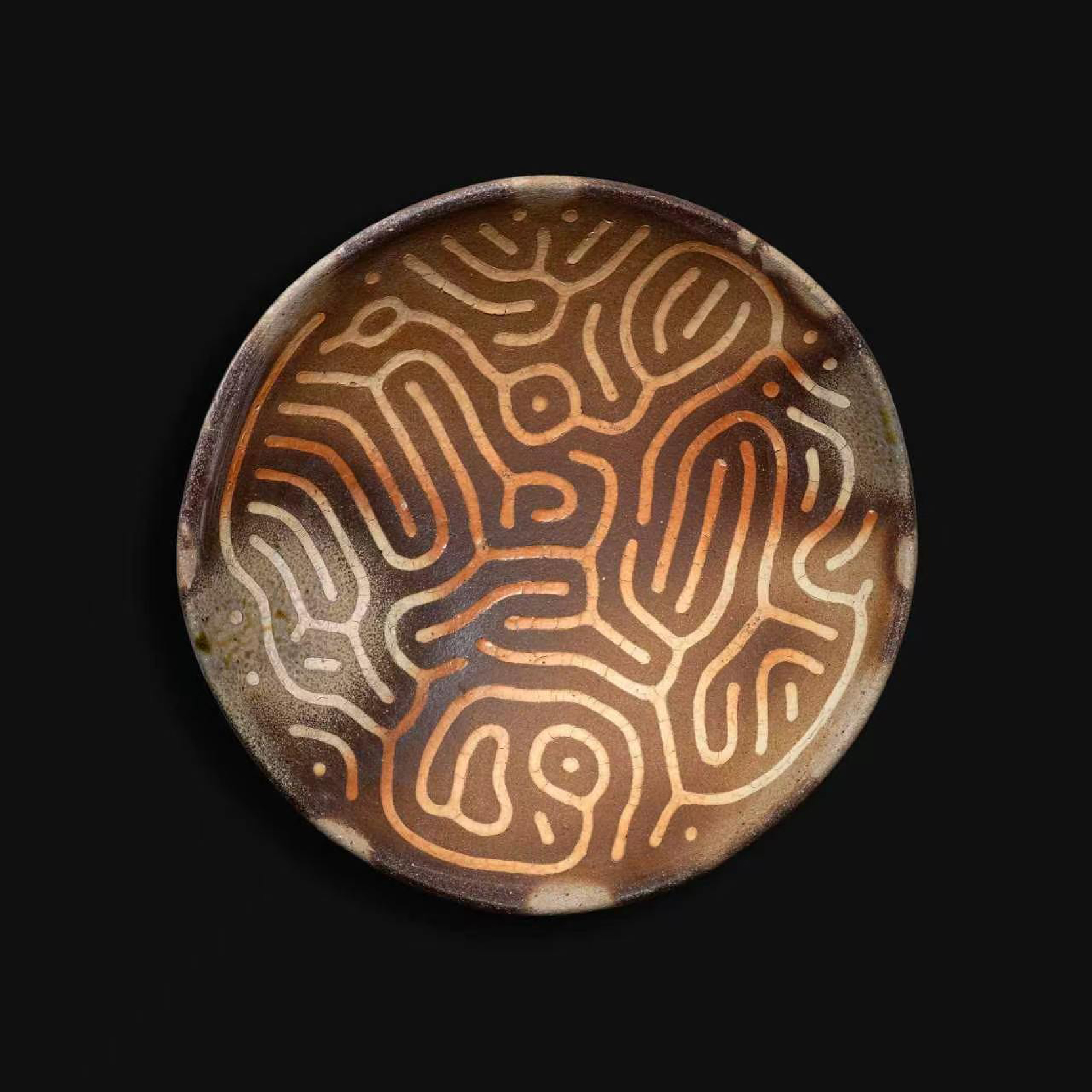
自生图腾 03 Self-generated Totem 03 陶、高温釉 Porcelain, High-temperature Glaze 45*45.5*15 cm 2026
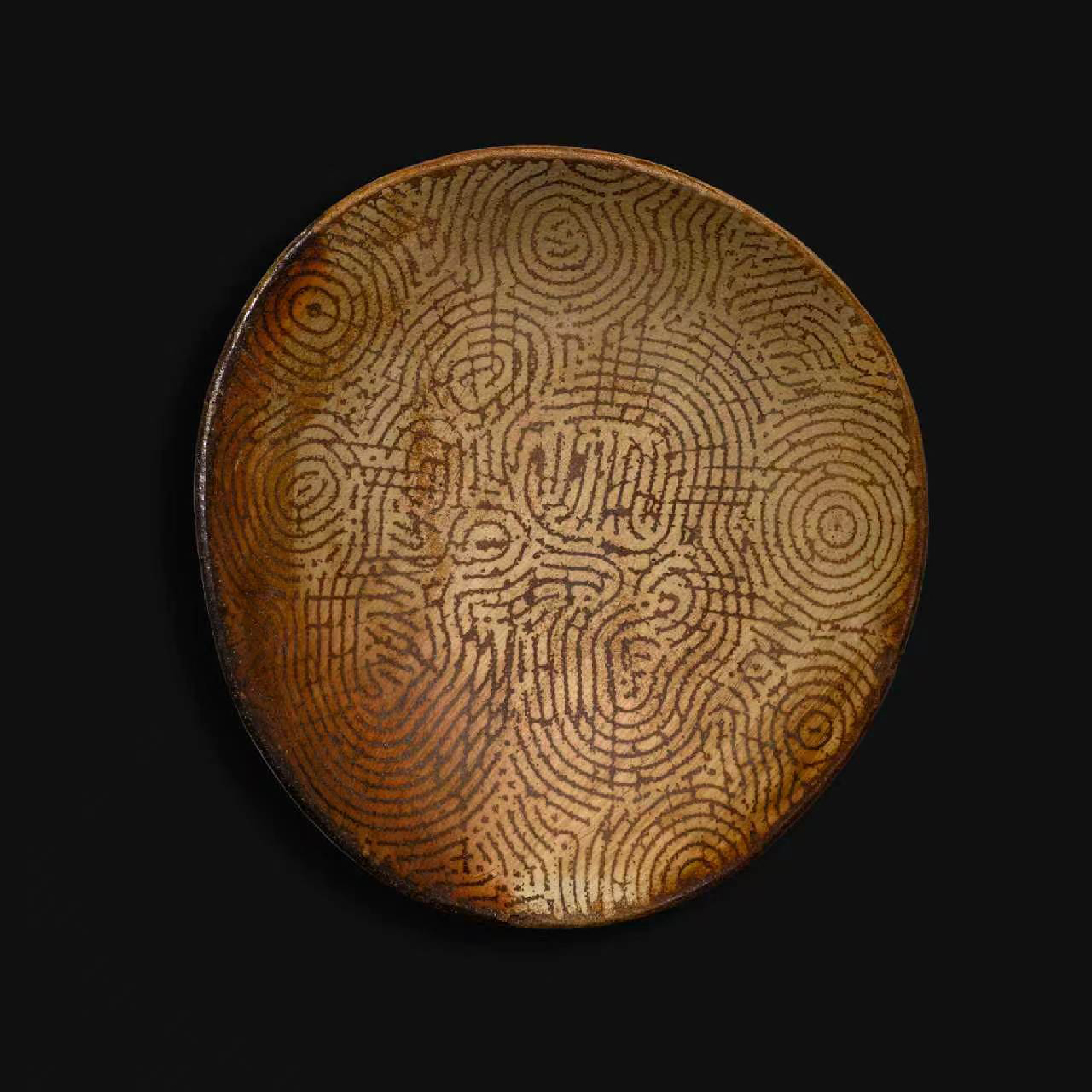
自生图腾 01 Self-generated Totem 01 陶、高温釉 Porcelain, High-temperature Glaze 43.5*48*15.5 cm 2026
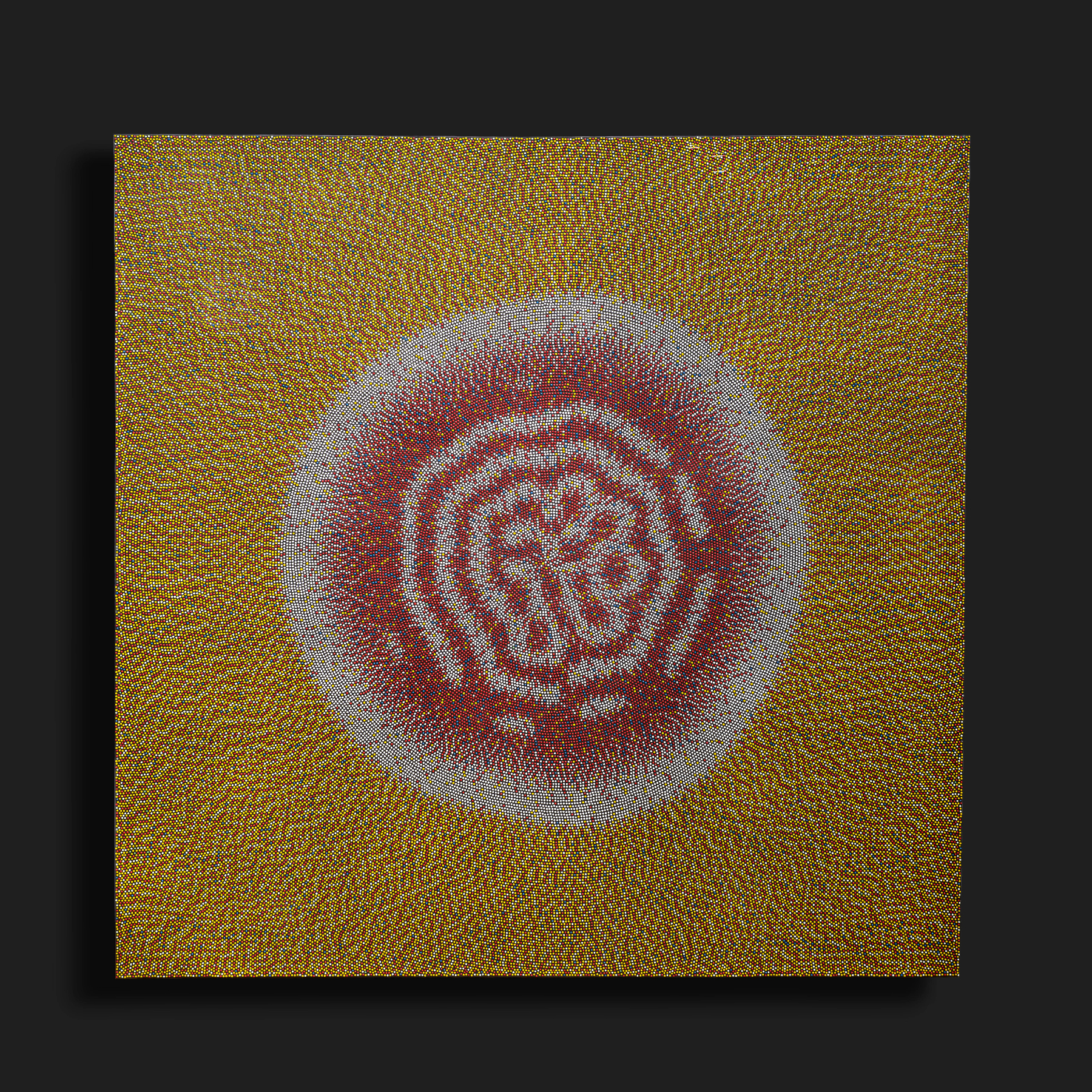
t₀ ⟨38·31·33·32⟩₆₀,04 瓷、高温釉 Porcelain, High-temperature Glaze 98.5*98.5 cm 2026
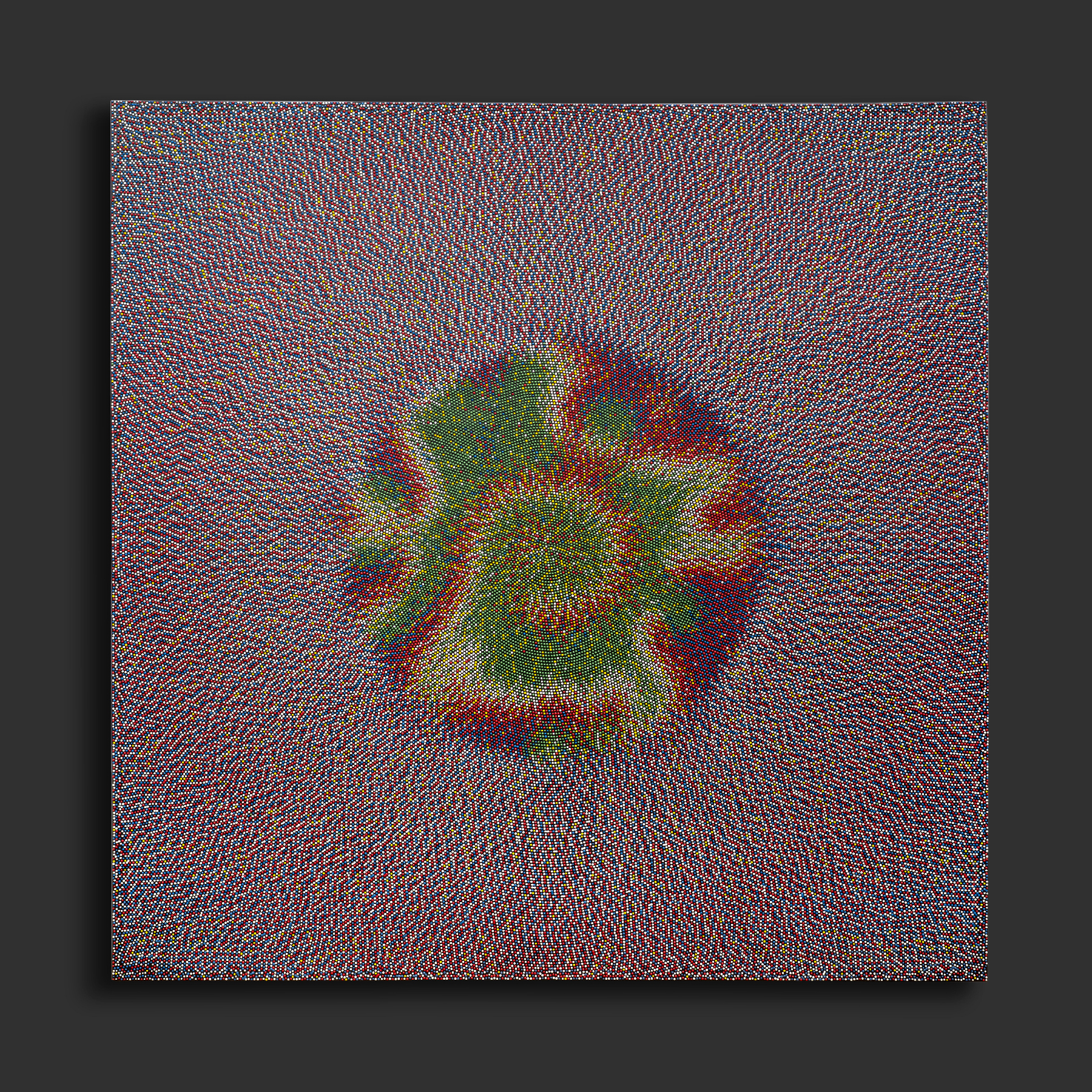
t₀ ⟨15·51·47·18⟩₆₀,02 瓷、高温釉 Porcelain, High-temperature Glaze 100.5*100.5 cm 2026
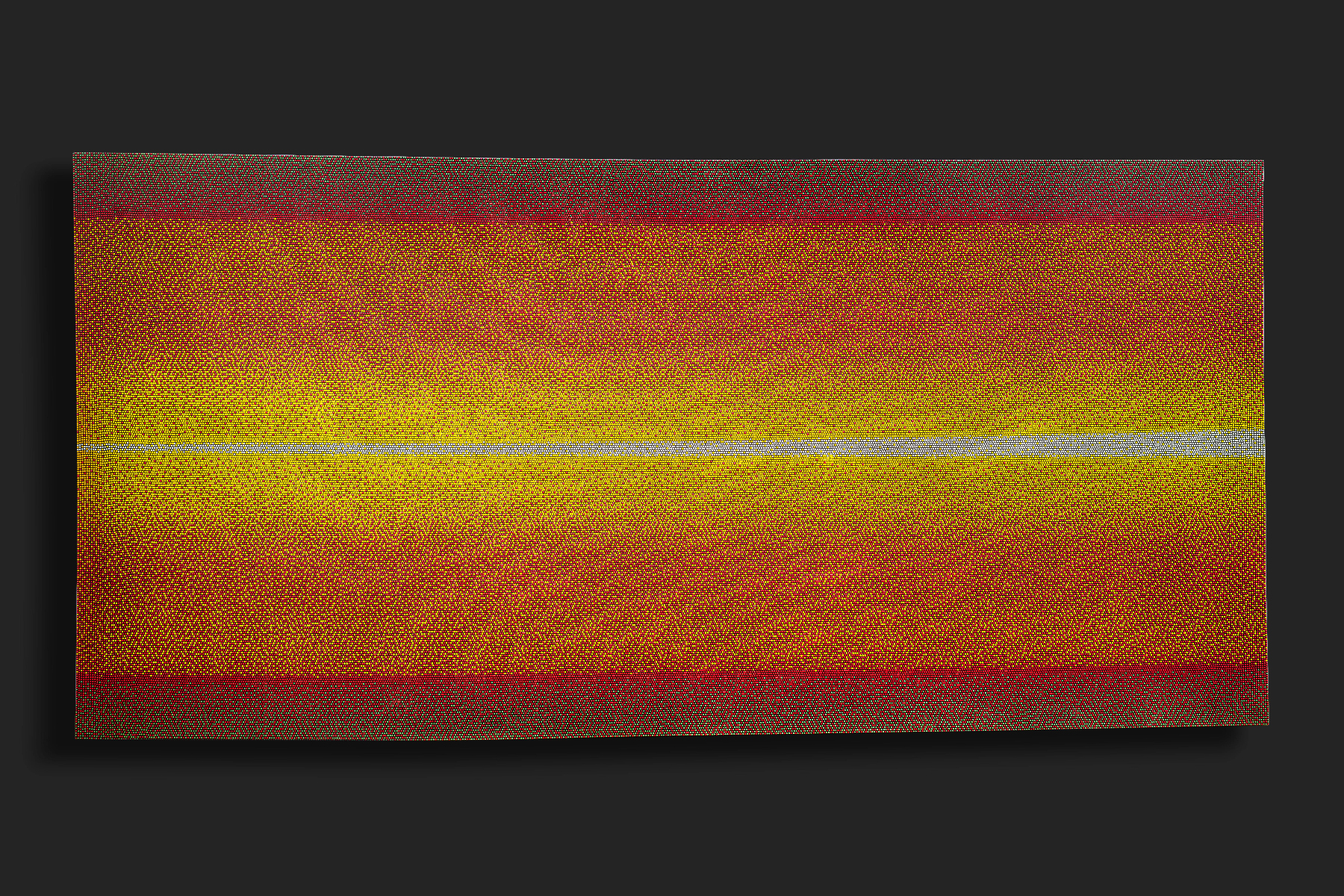
t₀ ⟨38·31·33·32⟩₆₀,01 瓷、高温釉 Porcelain, High-temperature Glaze 172*84 cm 2026
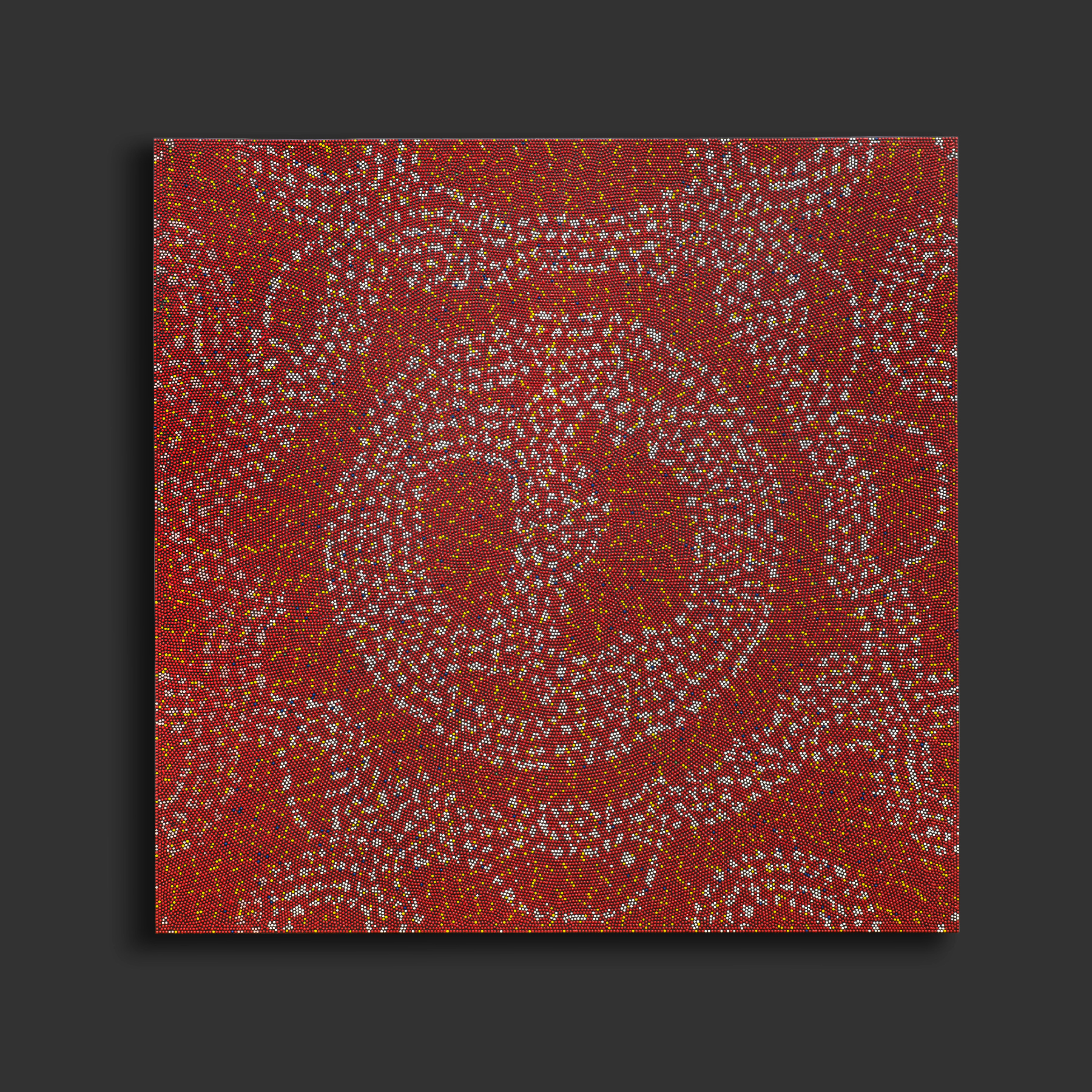
t₀ ⟨38·31·33·32⟩₆₀,03 瓷、高温釉 Porcelain, High-temperature Glaze 80*79 cm 2026
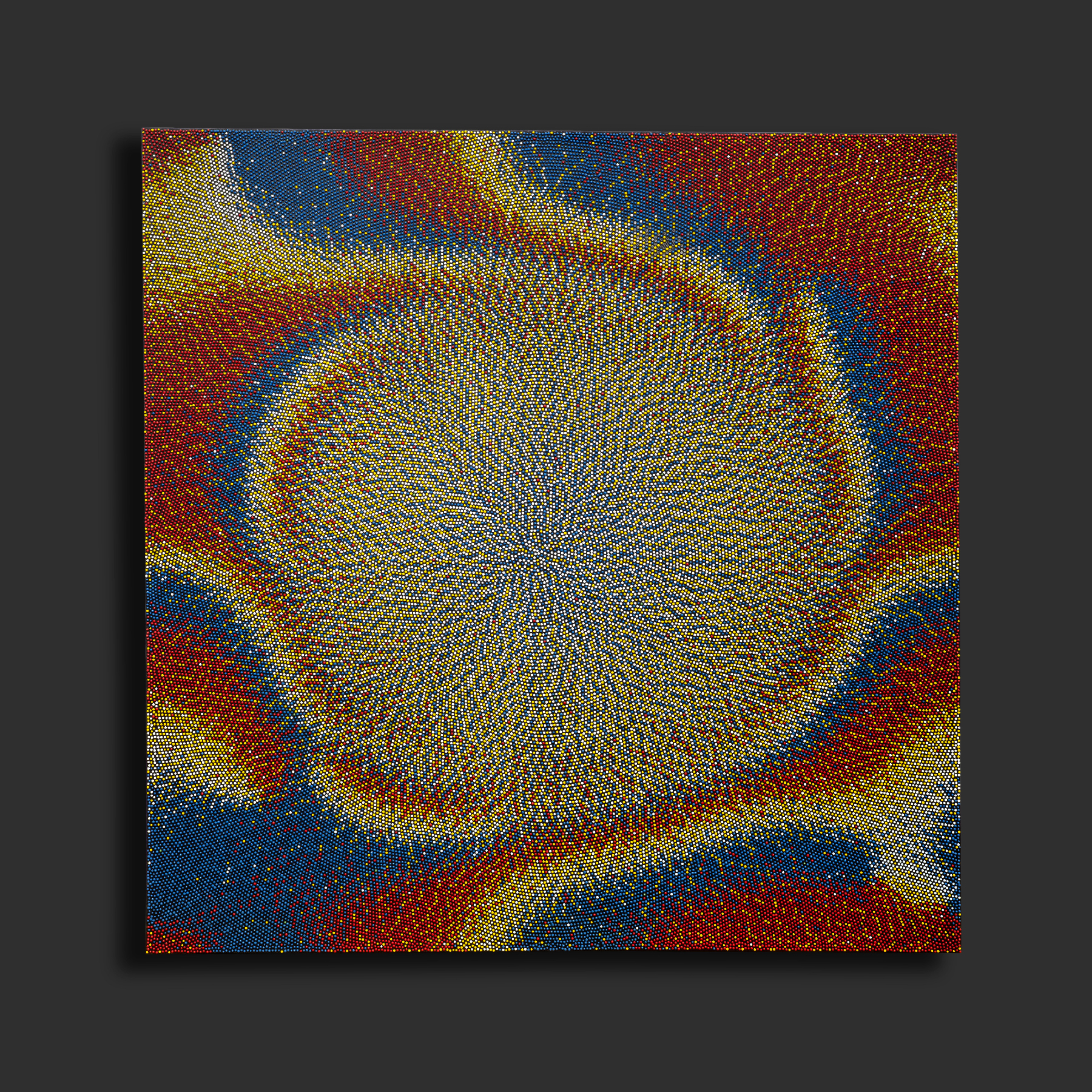
t₀ ⟨01·09·33·35⟩₆₀ 瓷、高温釉 Porcelain, High-temperature Glaze 82.5*83 cm 2026
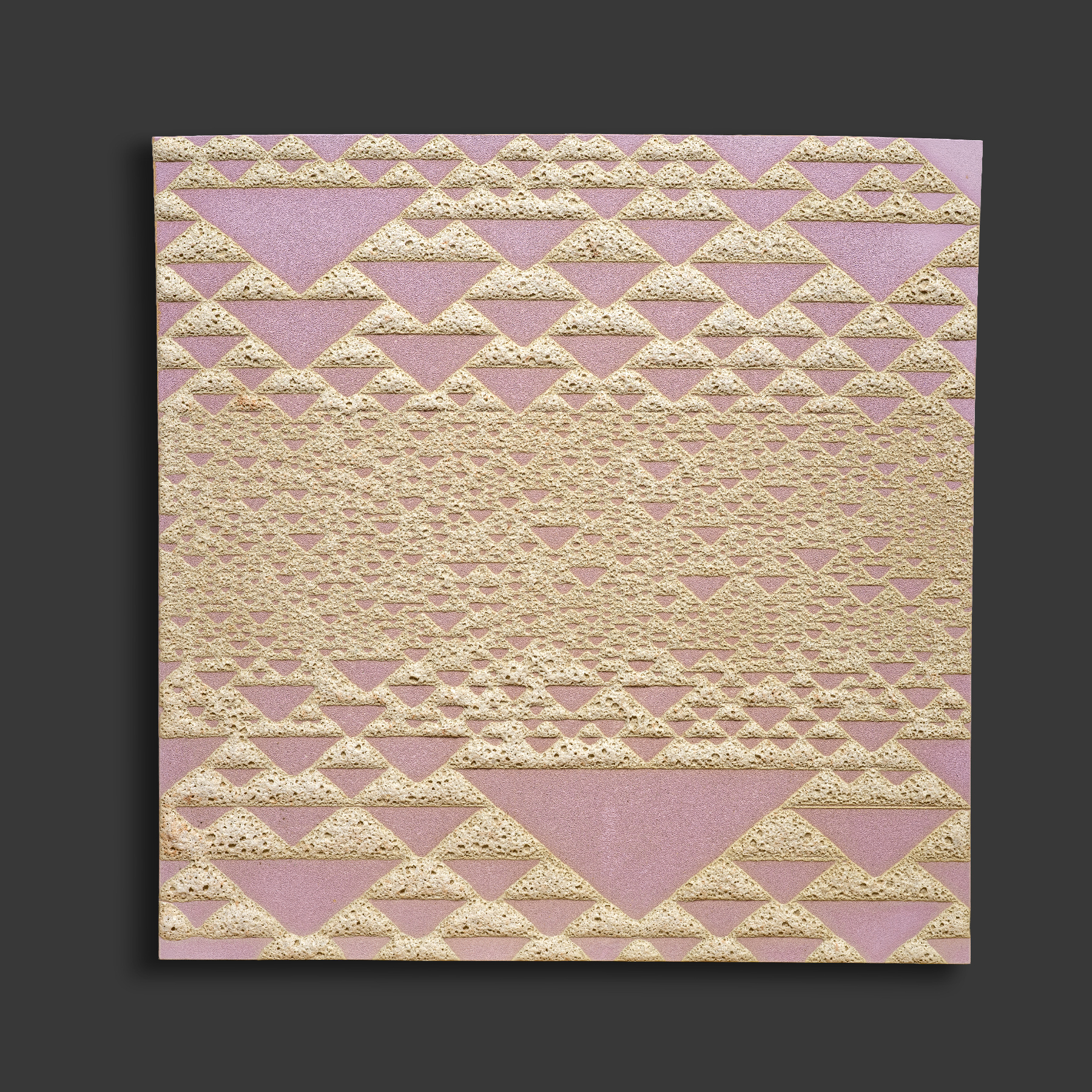
KE61-01 瓷、高温釉 Porcelain, High-temperature Glaze 54*54 cm 2026
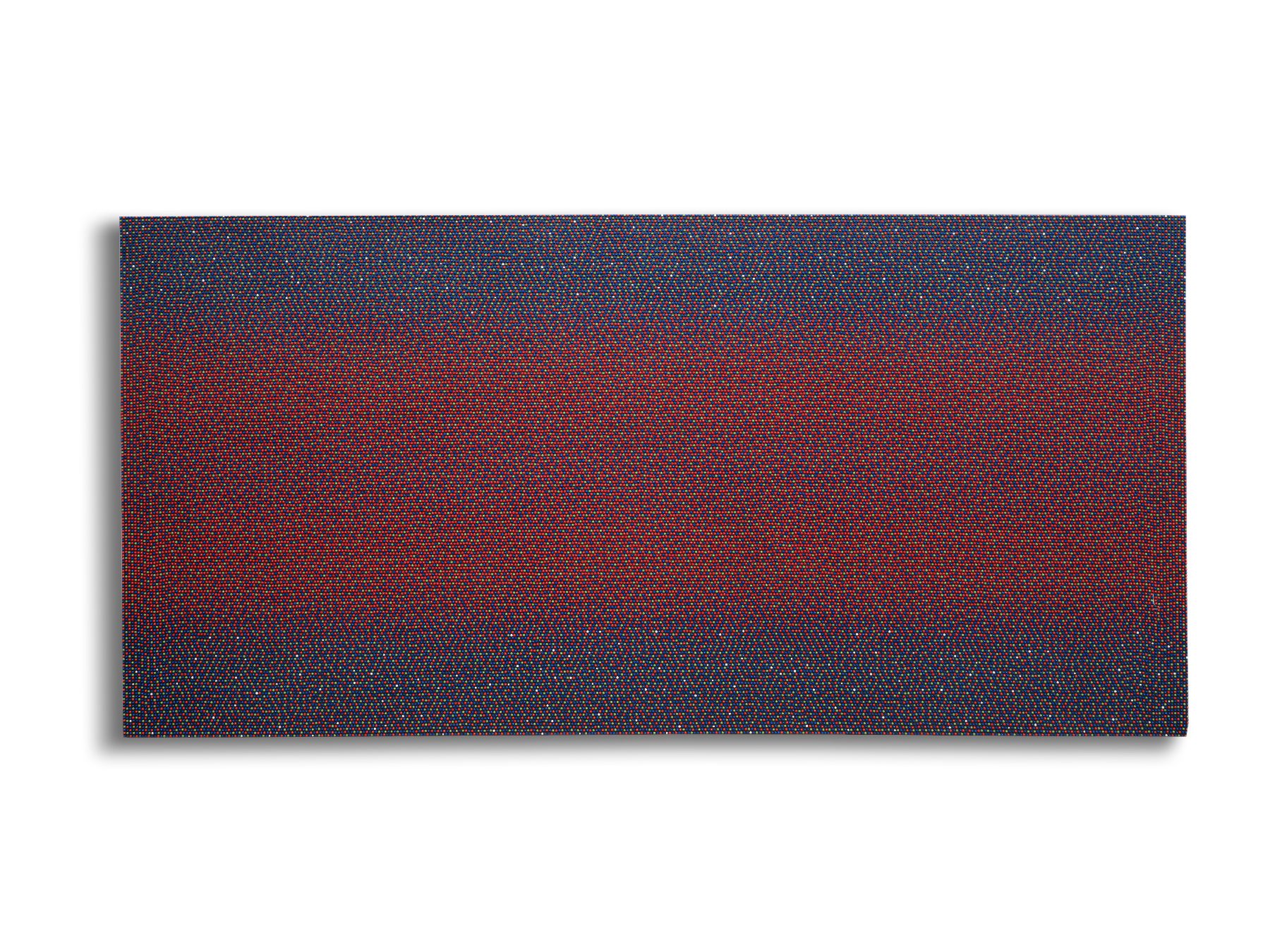
t₀ ⟨51·04·52·16⟩₆₀ 瓷、高温釉 Porcelain, High-temperature Glaze 55.5*113.5 cm 2026
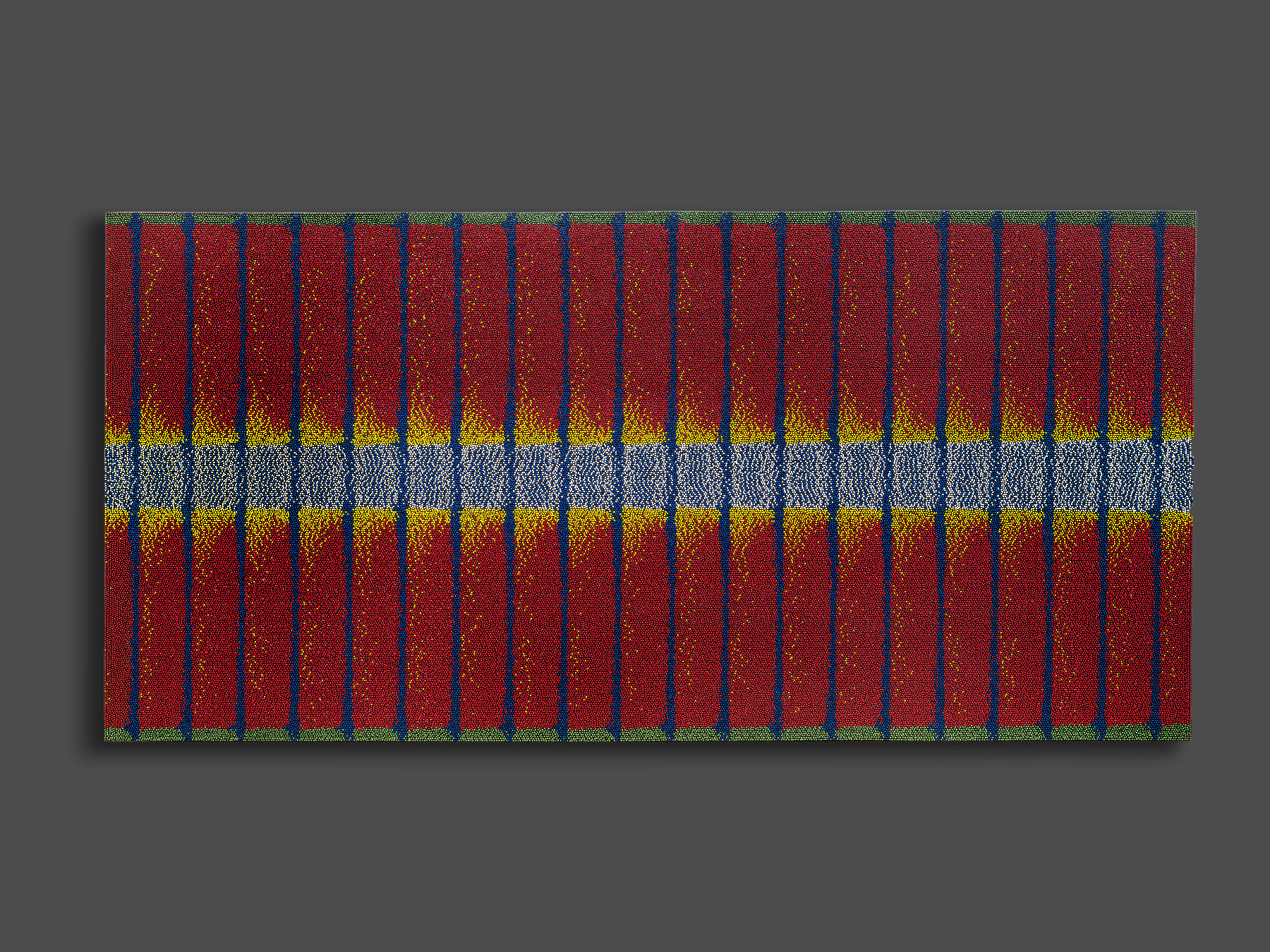
t₀ ⟨38·31·33·32⟩₆₀,02 瓷、高温釉 Porcelain, High-temperature Glaze 169*82 cm 2026
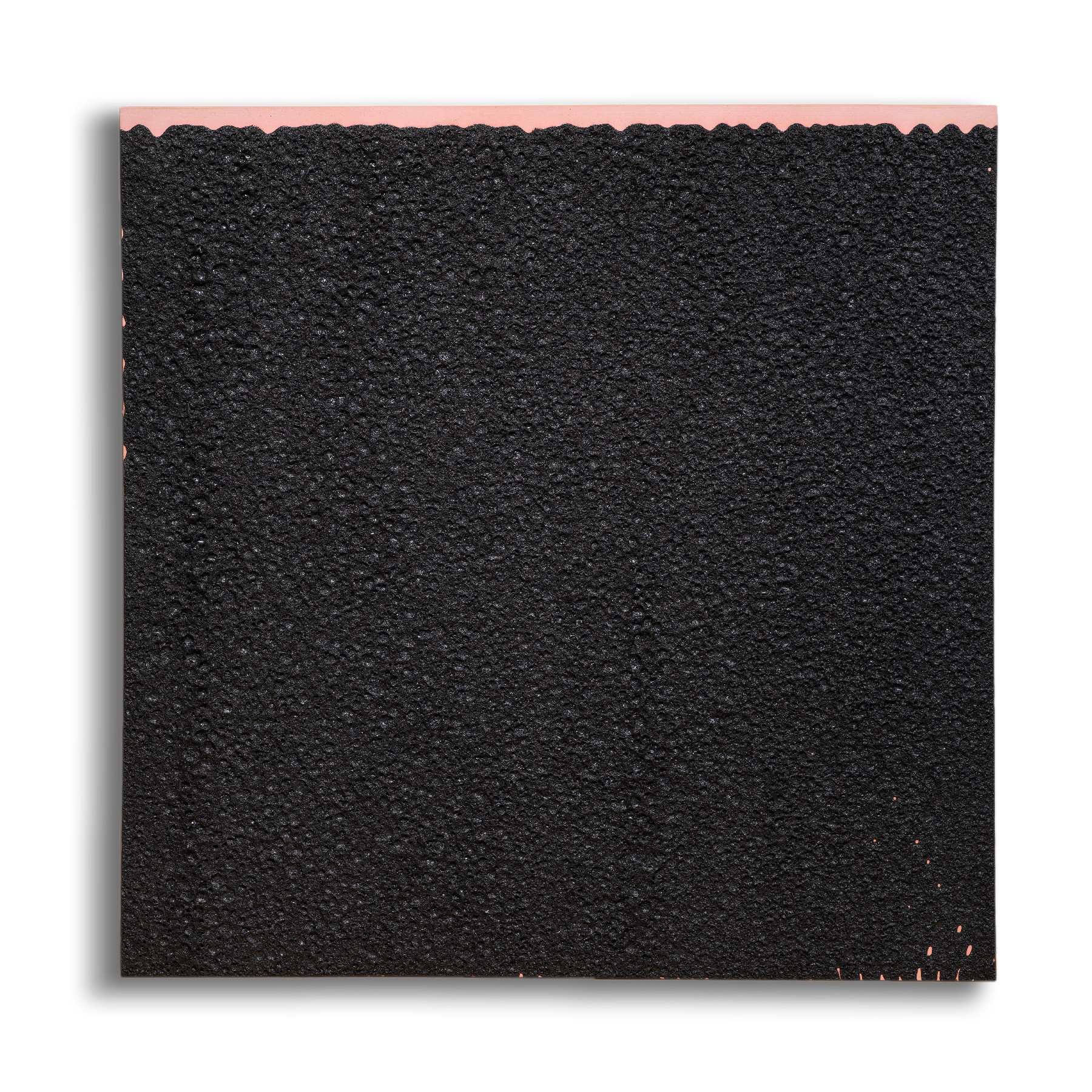
KE83-01 瓷、高温釉 Porcelain, High-temperature Glaze 100.5*100 cm 2026
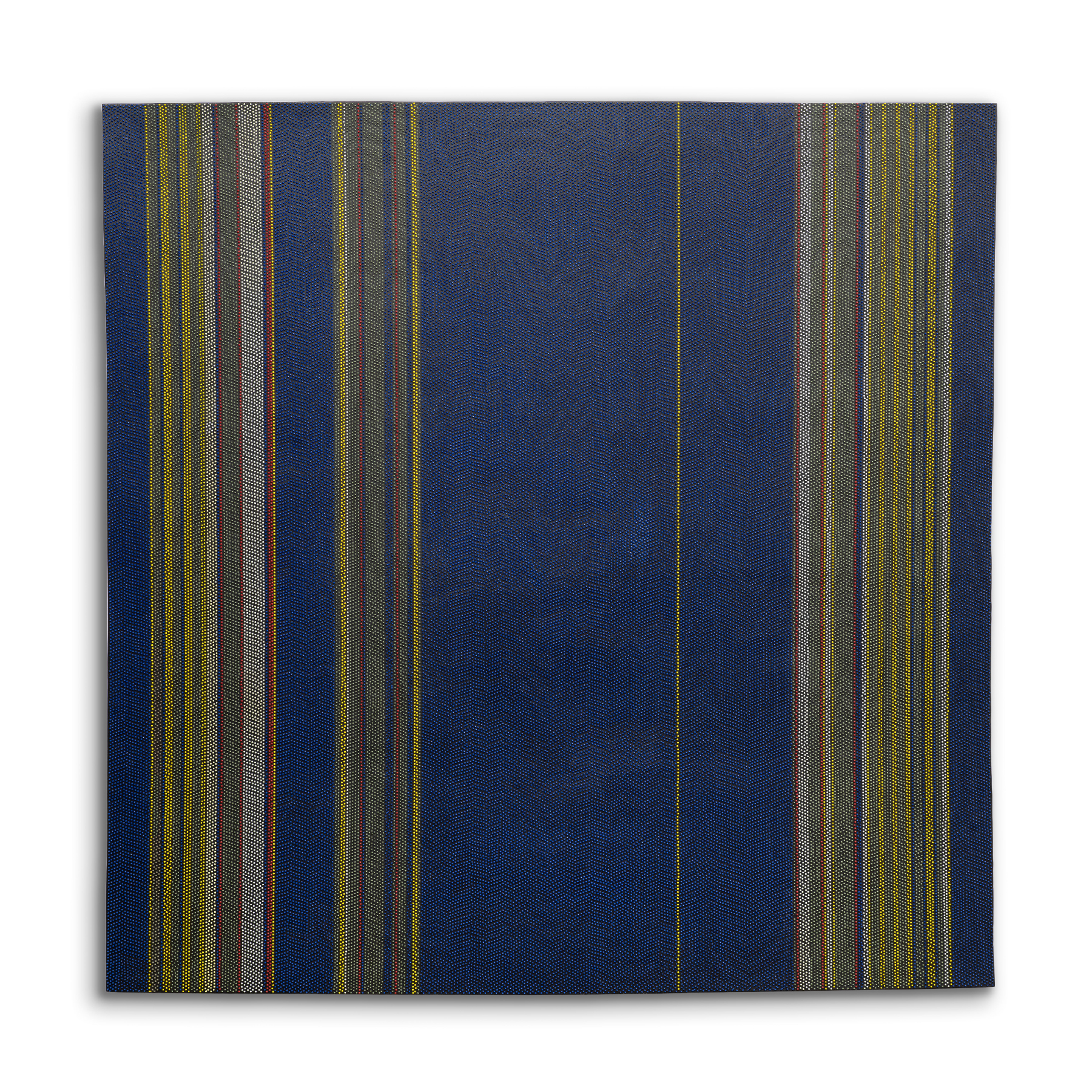
t₀ ⟨01·13·11·10⟩₆₀ 陶、高温釉 Porcelain, High-temperature Glaze 102*102 cm 2026
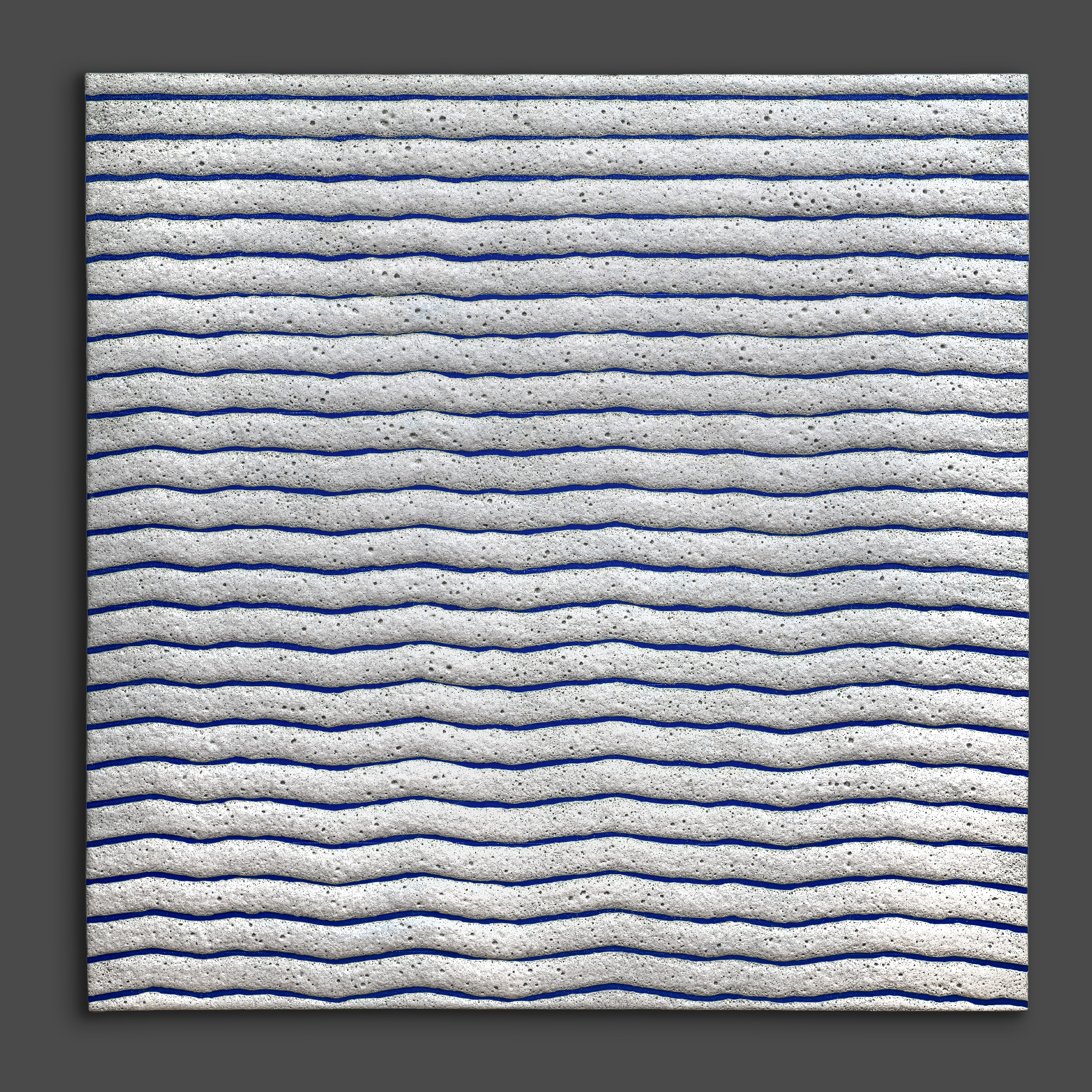
KE24-01 瓷、高温釉 Porcelain, High-temperature Glaze 101.5*101.5 cm 2026
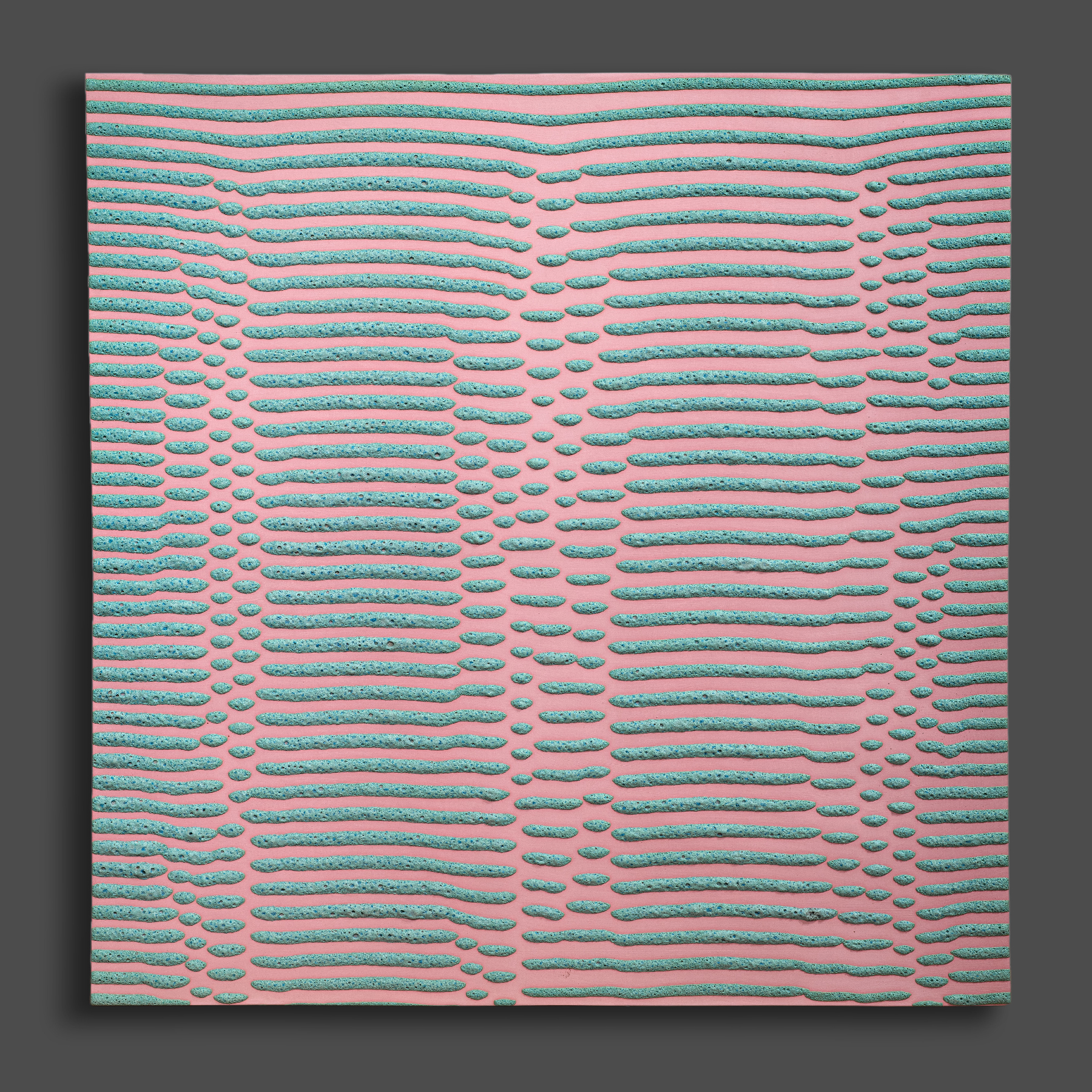
KE43-01 瓷、高温釉 Porcelain, High-temperature Glaze 102.5*104 cm 2026
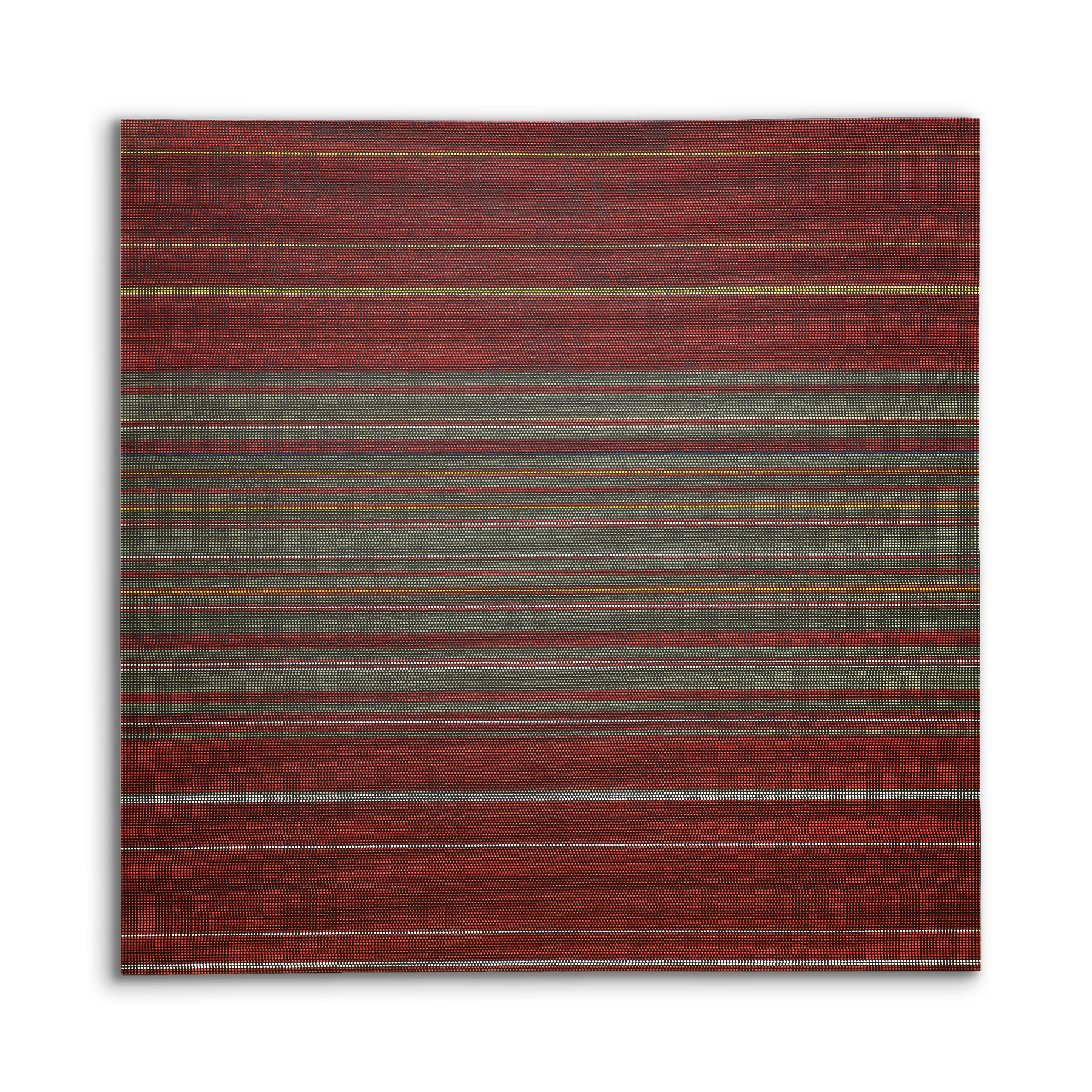
t₀ ⟨15·51·47·18⟩₆₀,01 陶、高温釉 Porcelain, High-temperature Glaze 102*102 cm 2026
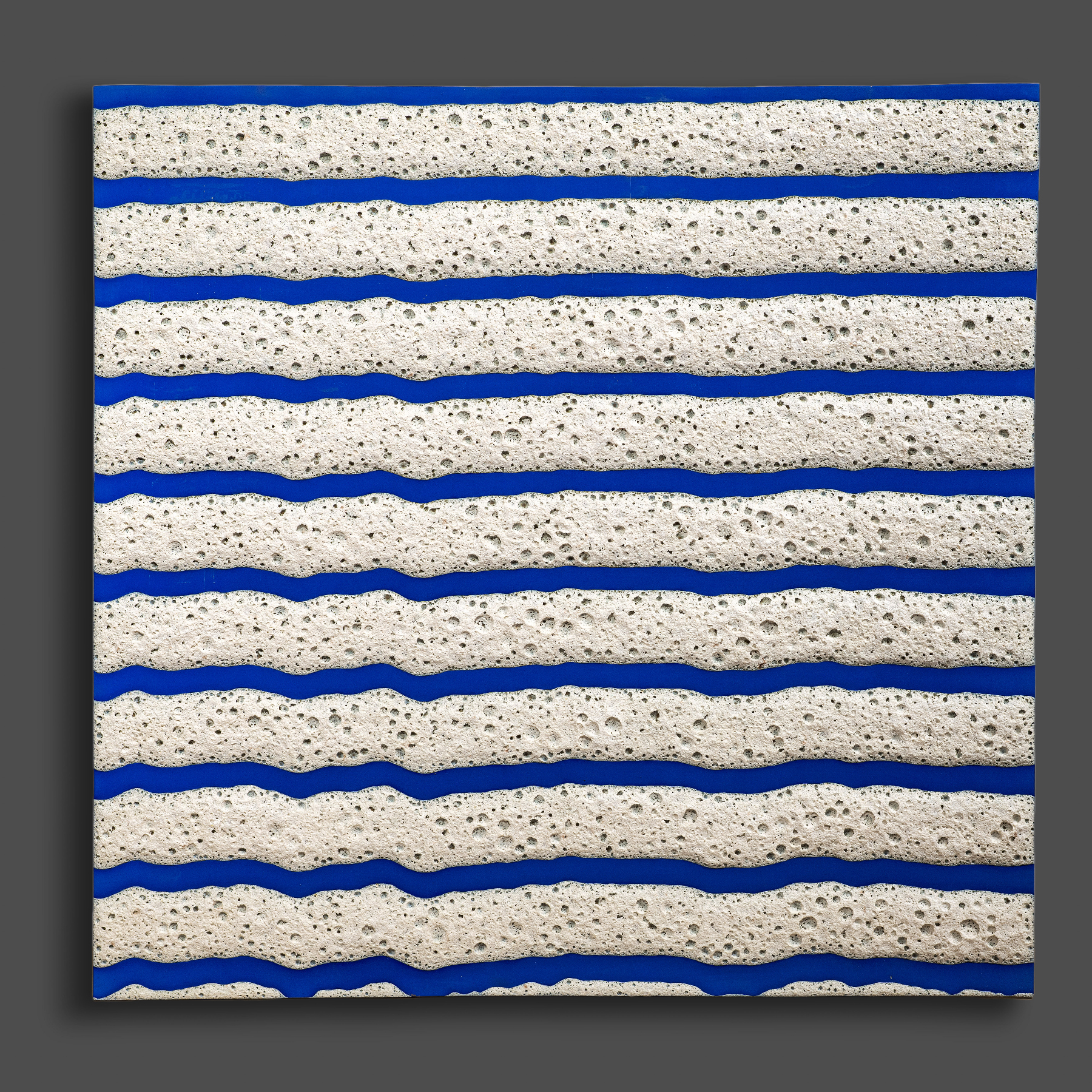
KE24-02 瓷、高温釉 Porcelain, High-temperature Glaze 103*100 cm 2026
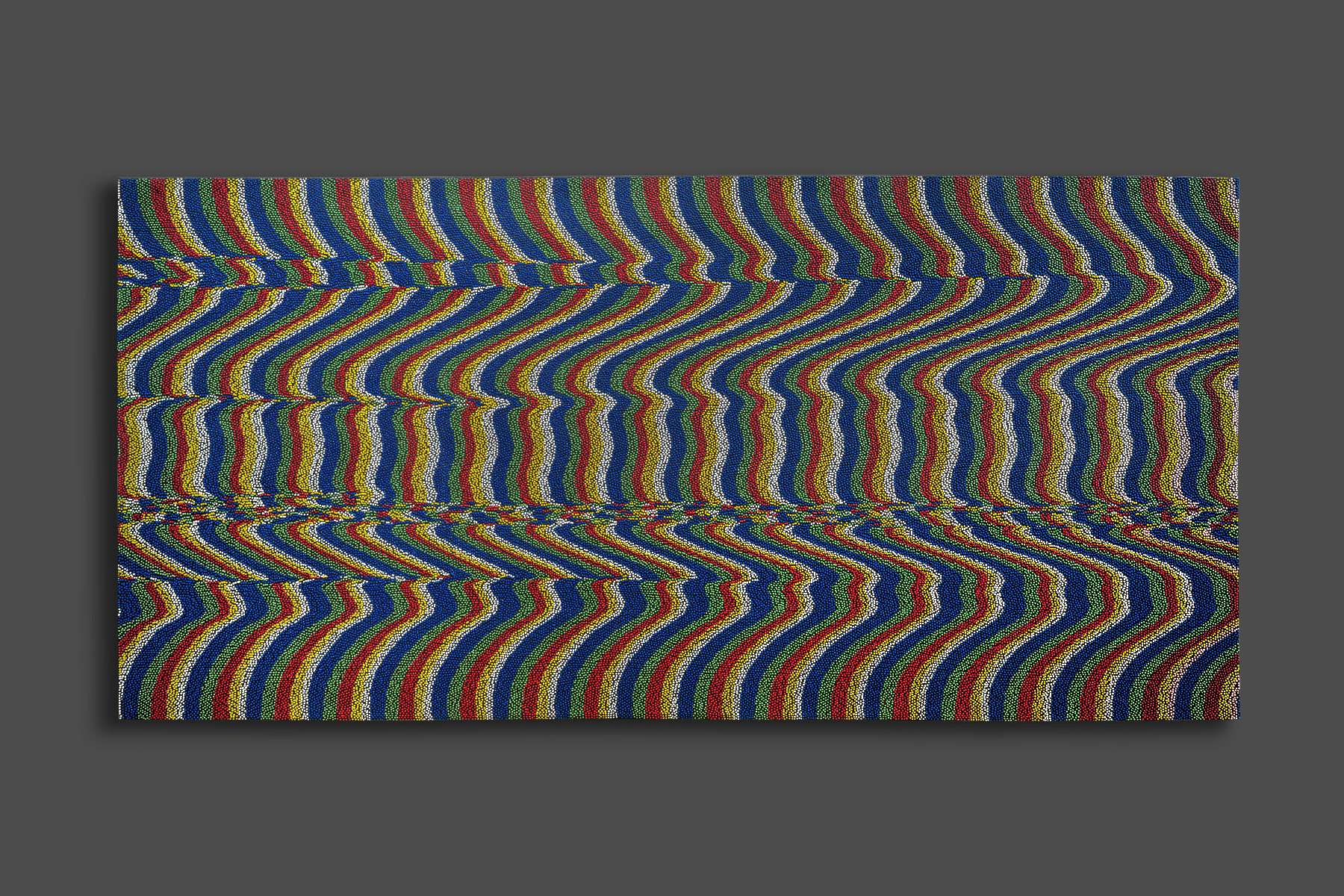
t₀ ⟨14·49·37·24⟩₆₀ 陶、高温釉 Porcelain, High-temperature Glaze 84*173.5 cm 2026
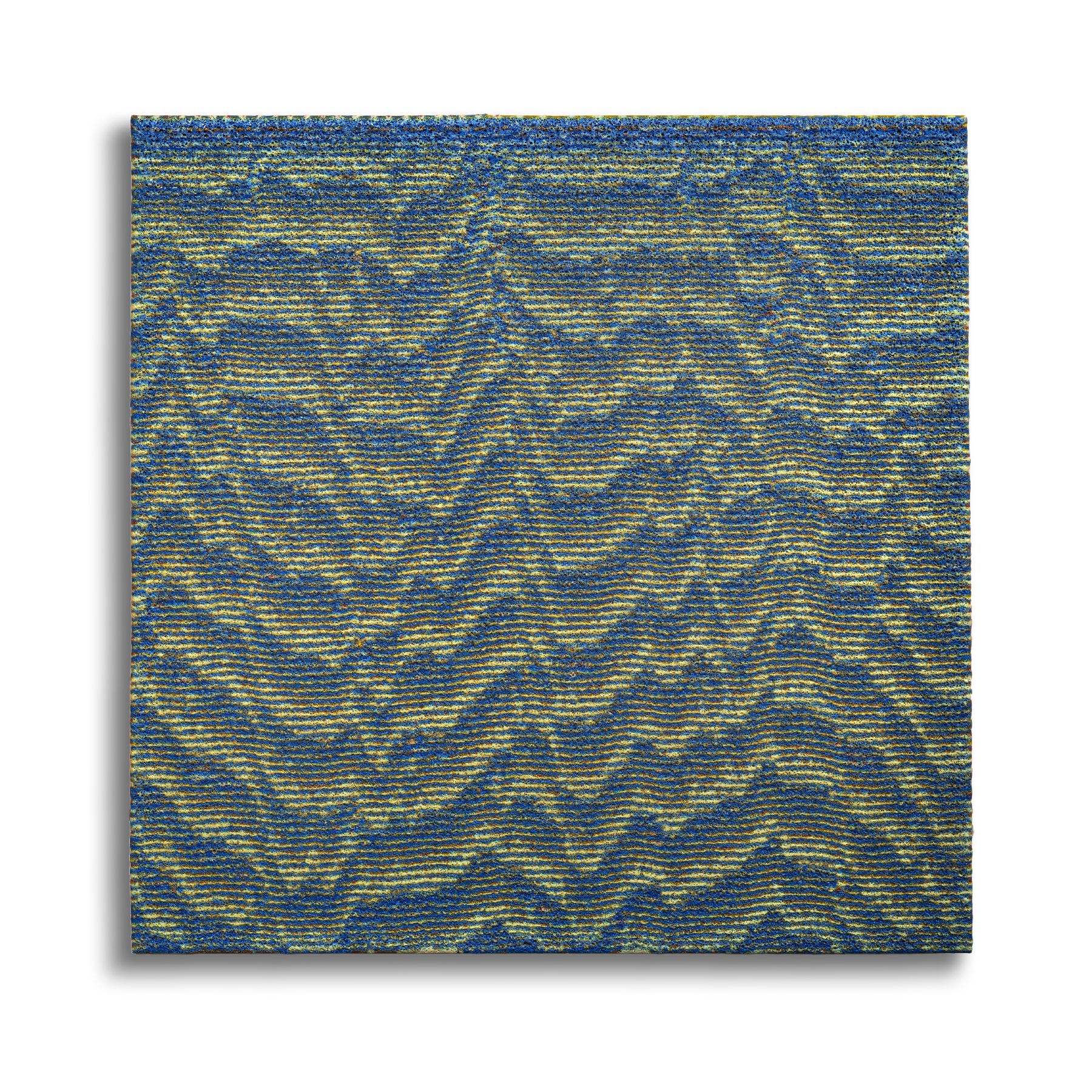
t₀ ⟨55·52·31·05⟩₆₀ 瓷、高温釉 Porcelain, High-temperature Glaze 75*75 cm 2026
Art+ Shanghai and Instituto Cervantes Shanghai, are pleased to present Art Forms in Mechanism, an exhibition bringing Spanish artist Linarejos Moreno into dialogue with the collaborative duo Tong Xindi and Shen Ting. Traversing photography, archival intervention, computational modelling, installation and ceramics, the exhibition interrogates the conventional opposition between art and science. Within this inherited division, science is understood to observe, discover and classify an external reality, while art is associated with imagination, interpretation and subjective invention. The practices assembled here complicate this distinction. They reveal observation and representation not as neutral procedures but as situated acts, conditioned by cultural frameworks, technological instruments, material processes and individual experience. Art and science consequently emerge as interrelated systems through which reality is not merely documented, but actively constructed.
This proposition resonates with Walter Mignolo’s concept of the locus of enunciation and Donna Haraway’s formulation of “situated knowledge,” both of which question the possibility of a universal viewpoint detached from history, geography and embodiment. Such perspectives also enter into dialogue with Chinese intellectual traditions that have frequently conceived observation through relations and transformations rather than through the separation of subject and object. Knowledge, in this context, arises from participation within a field of forces.
The exhibition therefore approaches modernity not as a singular epistemological trajectory, but as a palimpsest of possible modernities: an unstable constellation of scientific, industrial and philosophical systems through which different cultures have sought to comprehend the world.
Linarejos Moreno’s Art Forms in Mechanism, initiated in 2009, takes as its critical point of departure Karl Blossfeldt’s Art Forms in Nature of 1929. Associated with the New Objectivity movement, Blossfeldt’s publication presented magnified photographs of plants as rigorous visual specimens, transforming botanical structures into apparently autonomous formal systems. Moreno intervenes directly within this modernist genealogy. She replaces the word “nature” with “mechanism,” substitutes botanical specimens with images of pedagogical plant models, and exchanges scientific nomenclature for the names of machines once used in her family’s factory. Through this precise act of appropriation and displacement, the ostensibly objective scientific document becomes entangled with industrial memory, personal biography and the history of Spanish modernization.
The botanical models photographed by Moreno were originally produced as instruments of instruction, designed to render the internal structures of vegetal life visible and intelligible. Yet their hinges, hooks, gears and assembly systems simultaneously disclose the mechanical apparatus concealed beneath the simulation of organic form. In Moreno’s installations, monumental photographic prints enter into dialogue with industrial remnants, architectural supports and the reconfigured book itself. Nature and machine no longer function as stable opposites; each becomes legible through the visual and material language of the other. By exposing the fabricated structures underpinning scientific representation, Moreno reveals that every taxonomy embodies a particular relationship to its subject. Classification is never simply descriptive: it selects, organizes and assigns meaning according to historically determined systems of value.
Tong Xindi and Shen Ting duo approach this relationship between knowledge and representation from the side of generation rather than classification. Their ceramic paintings and sculptures begin with reaction–diffusion equations, mathematical models used to explain the emergence of complex patterns in natural phenomena, from animal markings and coral formations to river systems, sand gullies and fingerprints. The artists draw particular inspiration from Alan Turing’s 1952 theory of morphogenesis and from Gray Scott computational models, through which simple interactions between activating and inhibiting elements produce unexpectedly elaborate structures. In their recent work, the artists have developed a Meinhardt-based model with five interacting activator–inhibitor pairs, each associated with one of the wuxing 五行, or Five Phases. Their interplay of activation and inhibition draws on yinyang 阴阳, while relations of generation and restraint among the five systems shape the evolving patterns and colours.
A particular moment in time also becomes a point of departure. Drawing on the Four Pillars, a traditional Chinese system historically used to interpret fate, the artists translate a date and time into relationships that inform the generative model. The resulting image gives abstract form to the configuration of forces associated with that moment.
In their ceramic paintings, digitally generated patterns are translated through mud inlay, glaze and the transformative conditions of high-temperature firing. Computational precision establishes an initial order, but the kiln introduces another intelligence: glazes diffuse and collide, fire alters surfaces, and ash settles unpredictably upon the material. Algorithm and matter thus become co-authors of the work. Their sculptural series extends this inquiry into three dimensions by stacking successive states of reaction–diffusion patterns along a vertical axis. The generated image ceases to remain a surface representation and becomes the internal structure of the object itself. As mathematical information acquires volume, weight and mineral texture, digitally derived forms assume an archaic, almost totemic presence, appearing simultaneously technological and primordial.
The encounter between these practices produces a dialectic between the archive and the algorithm, the classified image and the generative model. Moreno uncovers the biographical, industrial and ideological structures embedded within supposedly neutral systems of observation; Tong and Shen demonstrate how formal systems can evolve beyond the complete control of their authors through encounters with clay, glaze, heat and time. Across photography, code and kiln, Art Forms in Mechanism proposes that knowledge is always relational and materially mediated. The exhibition does not seek to reconcile art and science as separate domains, but to disclose their shared participation in constructing the forms through which the world becomes perceptible, and through which other realities might yet be imagined.